

Precision motion systems rely on every transmission component working together with consistent accuracy. A positioning deviation of only a fraction of a millimeter may affect product quality, assembly consistency, or machine repeatability. Although controllers, motors, and sensors often receive the greatest attention during troubleshooting, the timing belt itself can quietly influence positioning performance.
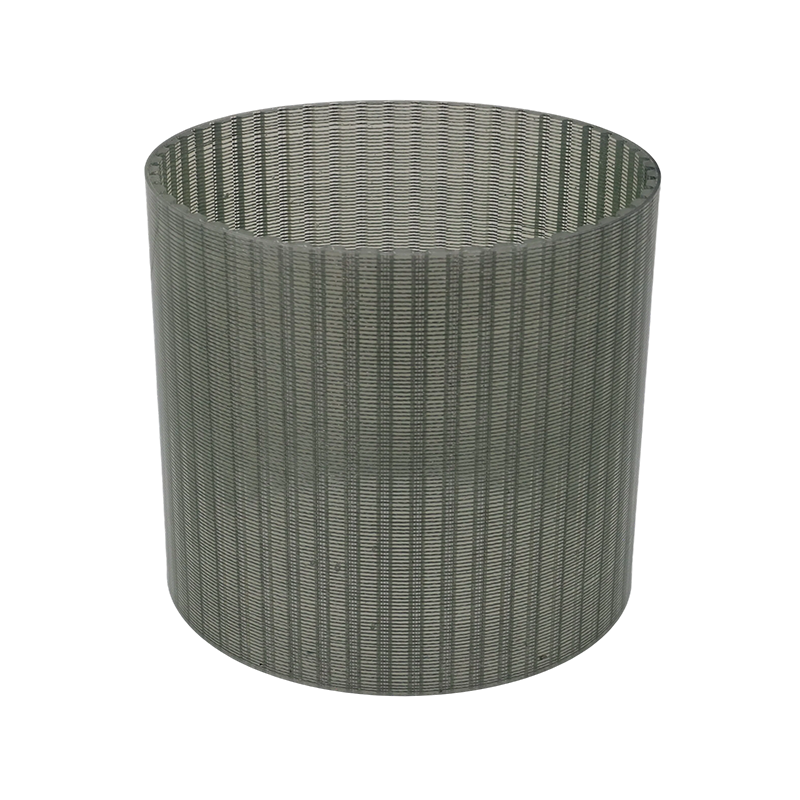
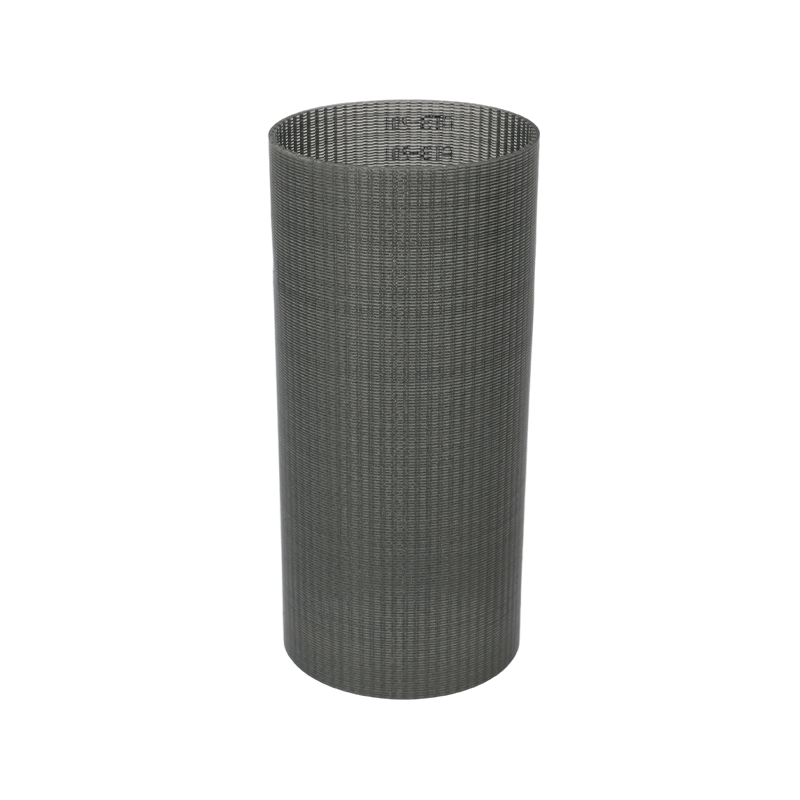
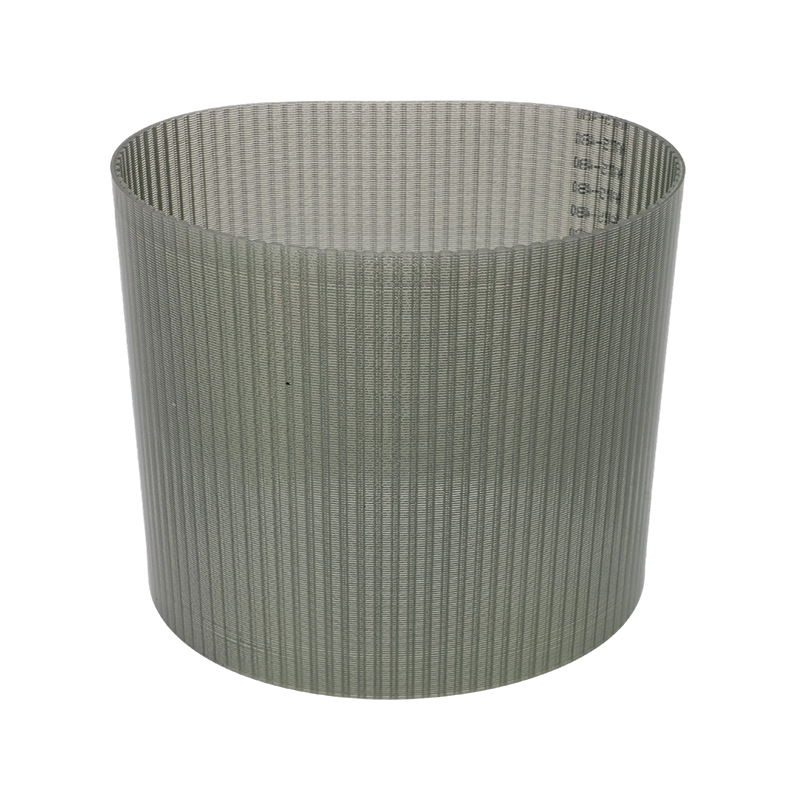
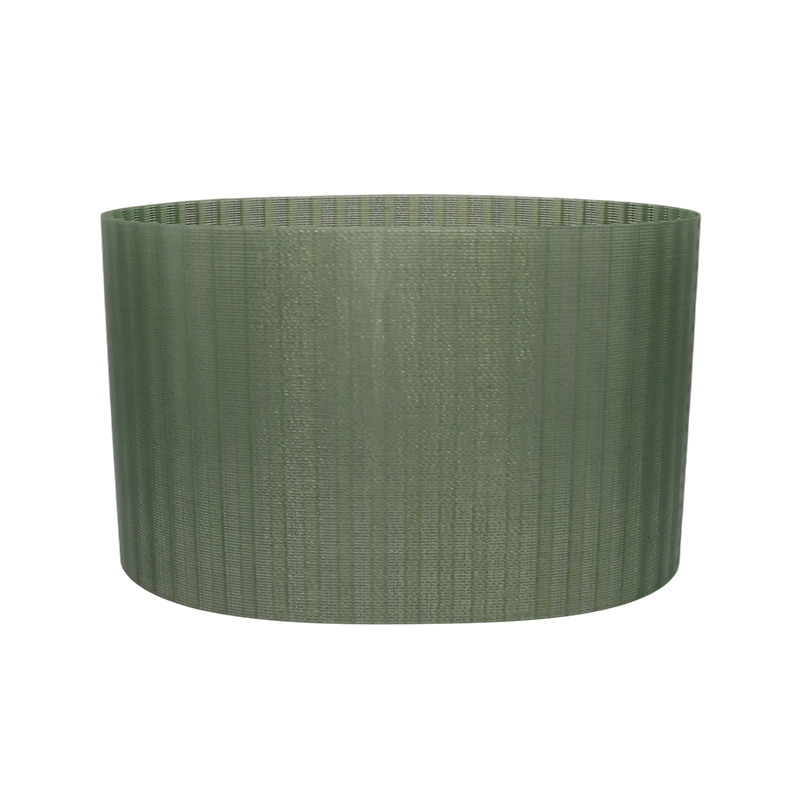
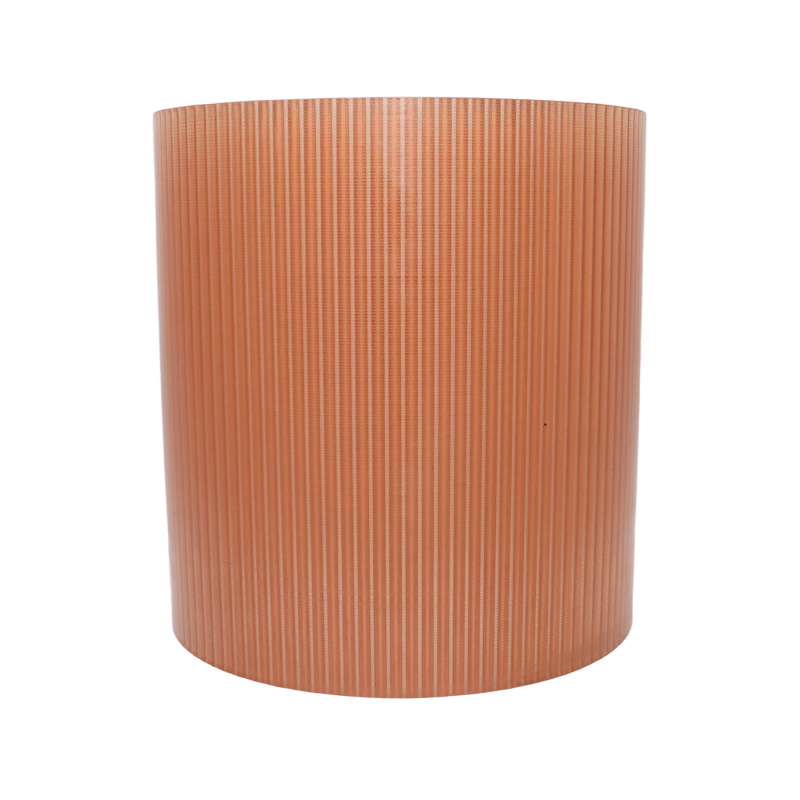
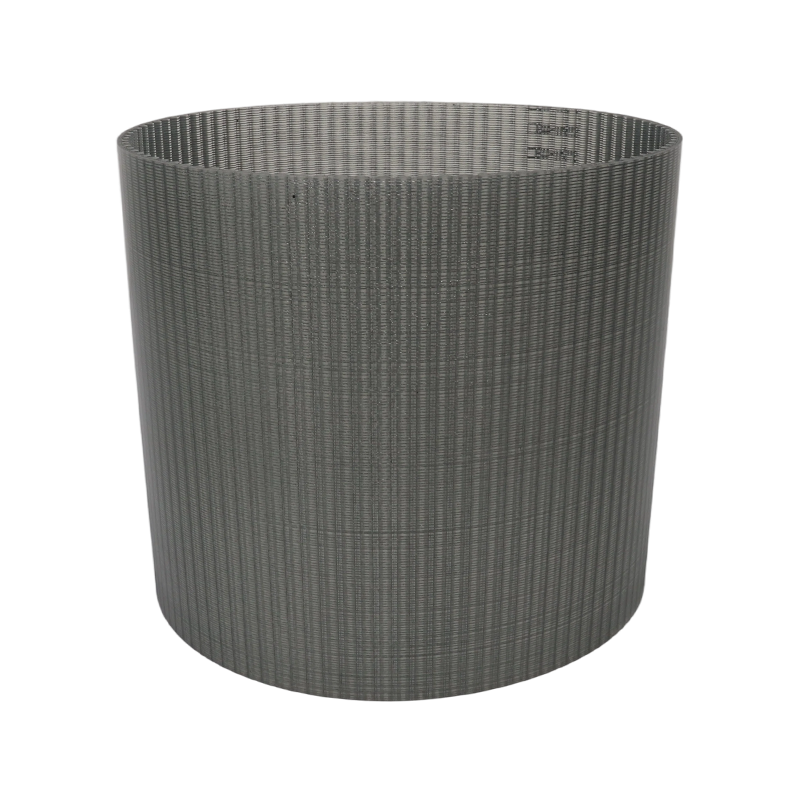
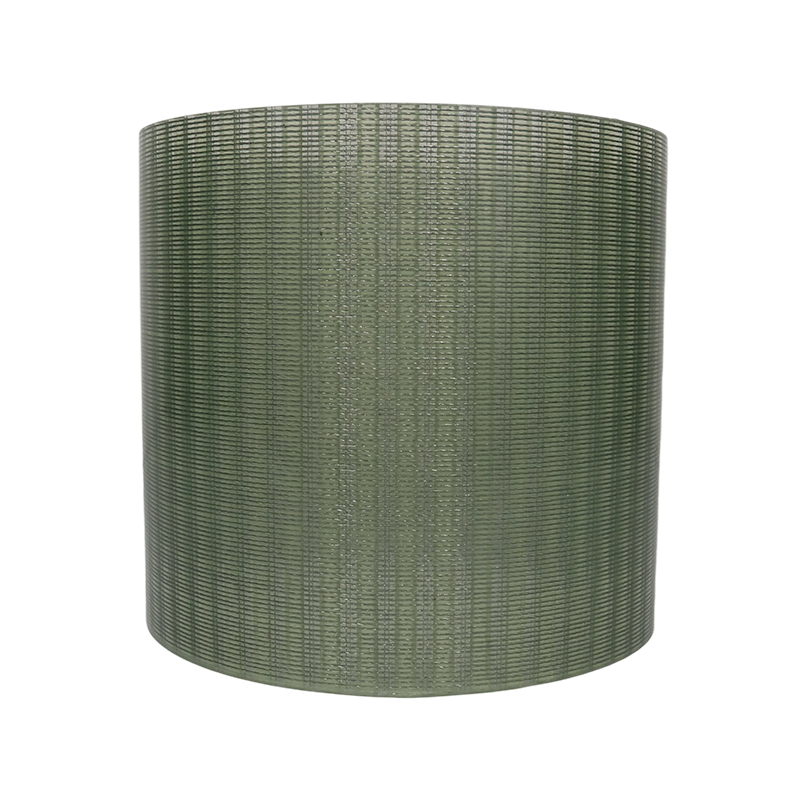
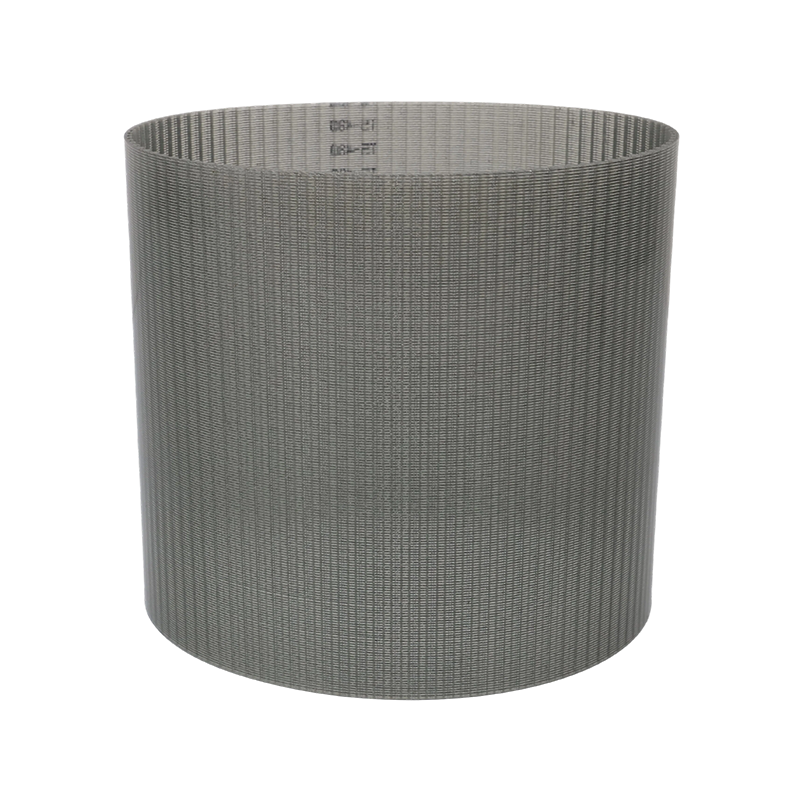
A 3M PU Timing Belt is widely used in compact automation equipment, desktop CNC machines, packaging systems, printers, labeling equipment, medical devices, and light-duty conveyors because of its 3 mm pitch, stable transmission, and low maintenance requirements. Yet even high-quality polyurethane belts may contribute to hidden positioning errors under certain operating conditions. Understanding these situations helps engineers identify the true source of accuracy problems before replacing expensive electronic components.
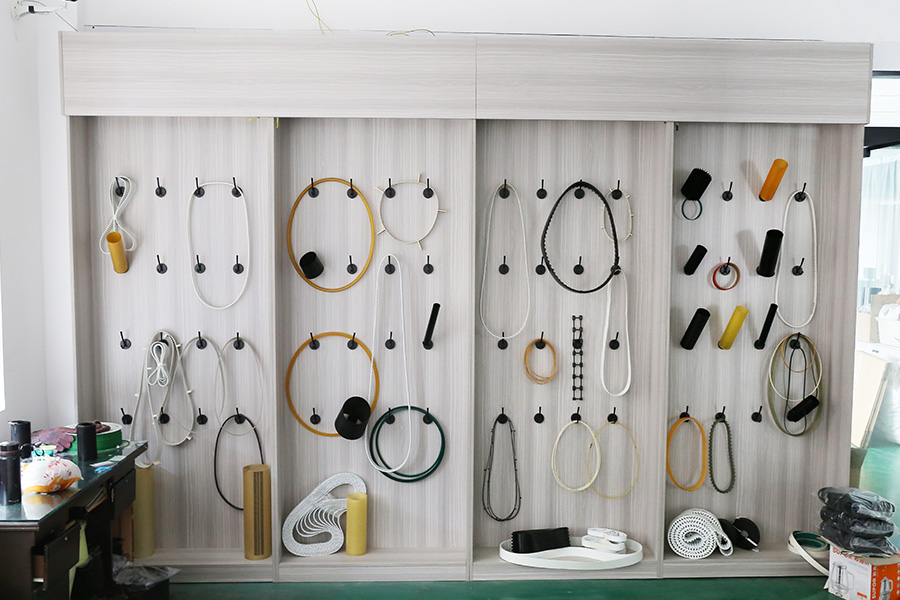
Positioning errors rarely appear suddenly. Instead, they accumulate over thousands of operating cycles. Operators may initially notice slightly inconsistent product placement, uneven cutting positions, or repeated correction by servo systems.
Several mechanical factors can gradually reduce transmission accuracy yet remain difficult to detect during routine inspections.
Each factor may appear insignificant individually, yet their combined effect can reduce positioning consistency over time.
Correct tension keeps belt teeth fully engaged with pulley grooves while maintaining stable power transmission. Excessively low tension allows small movements between the belt and pulley during acceleration or deceleration. Excessively high tension increases bearing loads and may shorten component life.
A properly installed 3M PU Timing Belt should maintain stable engagement throughout the operating cycle rather than relying on excessive tension to compensate for mechanical issues.
Many automation systems use frequency-based tension measurement devices. Depending on the belt span length and application requirements, manufacturers commonly recommend adjusting tension according to the installation manuals rather than estimating it by hand.
Many positioning issues attributed to the belt actually originate from pulley manufacturing quality.
Pulley characteristics affecting positioning include:
Even a high-grade polyurethane belt cannot compensate for an improperly machined pulley. Poor concentricity introduces cyclic positioning variation that often appears similar to servo tuning problems.
Timing belts are designed to transmit motion through tooth engagement rather than friction. As operating hours increase, the tooth profile gradually changes.
Common signs include:
These changes reduce the consistency of tooth engagement, particularly during rapid direction changes common in pick-and-place equipment.
Modern polyurethane timing belts typically use steel cords or aramid fiber reinforcement.
Different reinforcement materials behave differently under repeated acceleration. Choosing the appropriate structure helps maintain stable positioning throughout the service life.
Polyurethane offers good wear resistance and dimensional stability, yet operating conditions still influence long-term accuracy.
Factors worth evaluating include:
Industrial polyurethane belts commonly operate between approximately -20°C and +80°C, although exact limits depend on material formulation and reinforcement type.
Operating outside the recommended temperature range may gradually influence belt stiffness and dimensional stability.
Machines moving at constant speed may appear to operate normally despite small mechanical issues. Rapid acceleration and deceleration place much higher demands on the transmission system.
Symptoms become easier to observe during:
During these operating modes, tiny backlash or slight belt movement becomes much more noticeable than during steady rotation.
Mechanical alignment remains one of the overlooked causes of positioning deviation.
Installation should include careful inspection of:
A slight angular offset may gradually increase edge wear and reduce transmission consistency even though the belt continues operating without visible damage.
The 3 mm pitch provides smooth motion and compact design advantages, making it suitable for precision automation equipment. However, the pulley must use the corresponding tooth profile.
Attempting to combine components from different pitch systems may produce:
Verifying compatibility between the belt and pulley is often simpler than replacing electronic control components.
Many industrial 3M PU Timing Belt products share similar construction characteristics, although specifications vary among manufacturers.
Choosing dimensions based solely on load capacity may overlook positioning requirements. Belt width, pulley diameter, moving mass, and acceleration profile should all be considered together.
Engineers sometimes replace servo motors, encoders, or controllers before examining the transmission system. A structured inspection often identifies mechanical sources more efficiently.
These practical checks frequently provide valuable clues before major maintenance decisions are made.
Hidden positioning errors are not always caused by sophisticated control systems. Mechanical transmission components deserve equal attention, particularly in equipment demanding repeatable motion over long production cycles. A well-matched 3M PU Timing Belt, combined with accurate pulleys, proper installation, suitable tension, and periodic inspection, helps maintain reliable positioning while reducing unnecessary troubleshooting. Looking beyond the control cabinet and examining the belt drive as a complete system often uncovers issues that remain invisible during routine operation.


Contact Us
information
Chengxi Industrial Zone, Sanmen County, Zhejiang Province, China
+86-576-83355666
+86-576-83351588
product
mobile


 English