
 English

Endless synchronous belts are available in more than one construction. A belt can be formed by joining open-ended material, or it can be manufactured as a continuous loop without a...
READ MORE
Chengtai produces polyurethane timing belts using high-grade polyurethane raw materials and high-tensile steel (or Kevlar) tensile cords, formed through a one-piece molding process. These belts offer excellent resistance to wear, oil, and aging. They feature high pitch accuracy, good dynamic flexibility, smooth operation with zero initial backlash, and reduced transmission errors. Various tooth profiles (trapezoidal, curvilinear, etc.) as well as customized widths and lengths are available to meet different high-precision positioning and power transmission requirements. Our timing belts are widely used in machine tools, automation equipment, textile machinery, power tools, and instrumentation drive systems, ensuring long-term reliable operation and reduced maintenance frequency.
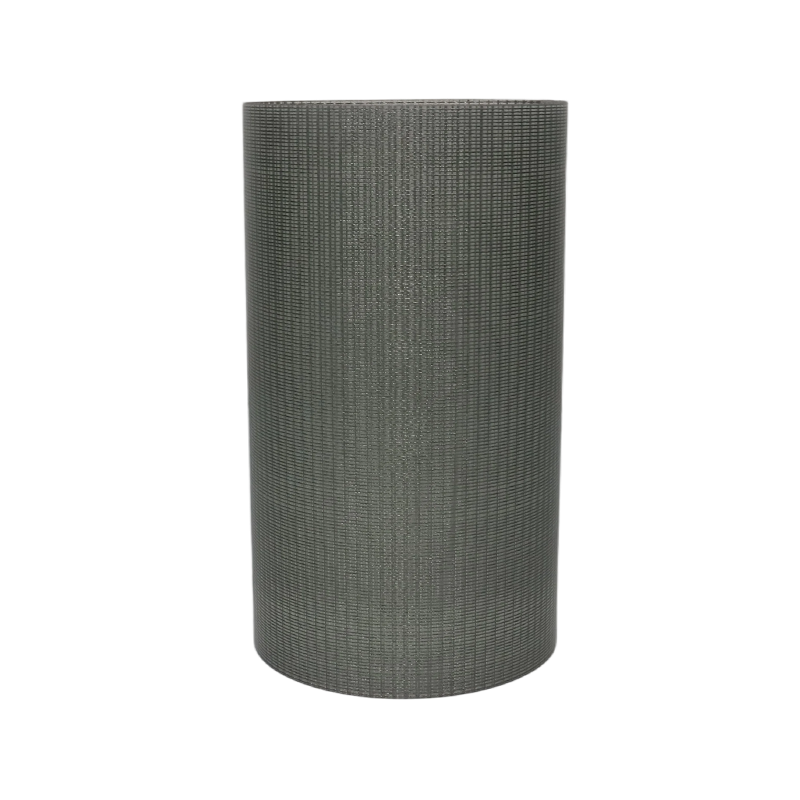
Operating Temperature:Rubber: -20°C to +80°CPolyur...

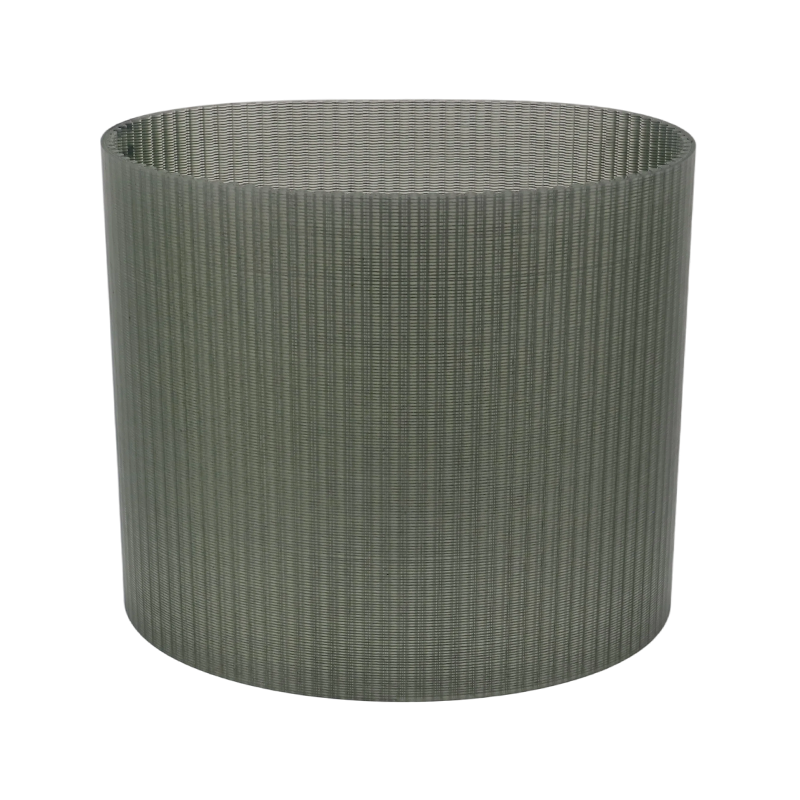
Operating Temperature:Rubber: -20°C to +80°CPolyur...
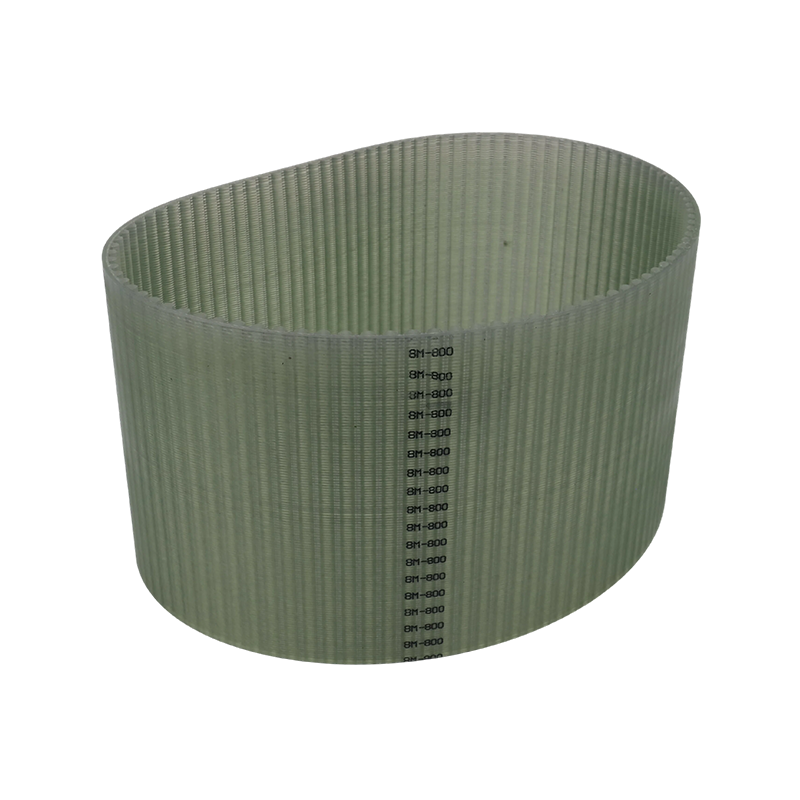
Operating Temperature:Rubber: -20°C to +80°CPolyur...
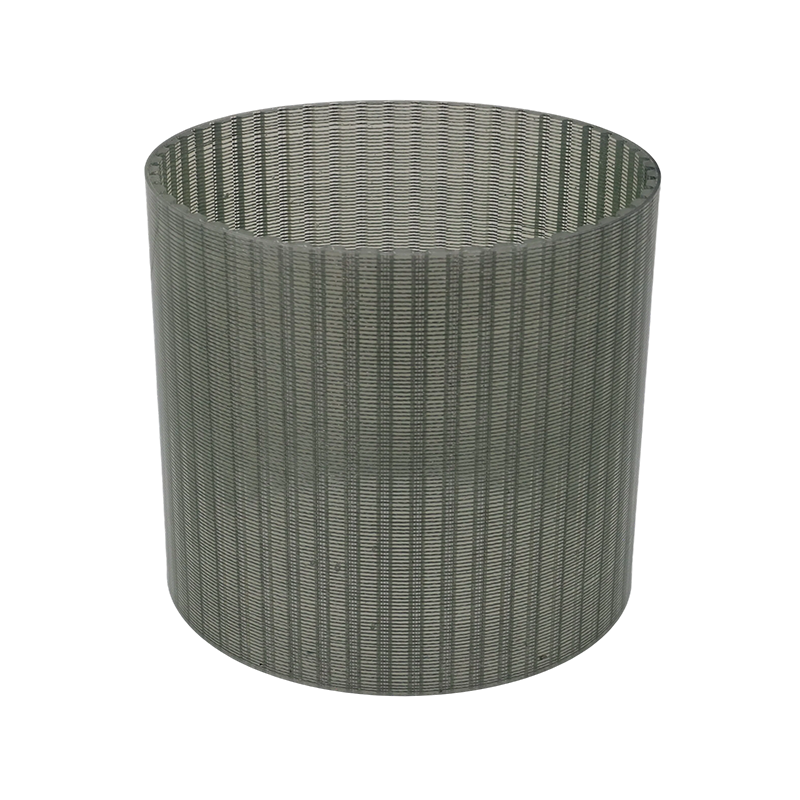
Operating Temperature:Rubber: -20°C to +80°CPolyur...
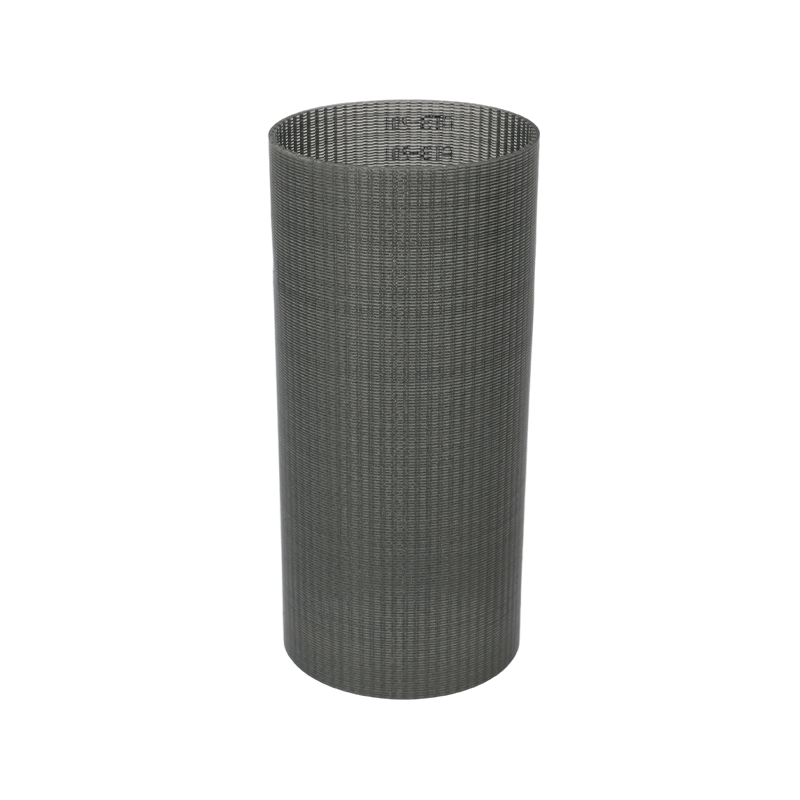
Working Temperature:Rubber: -20°C to +80°CPolyuret...
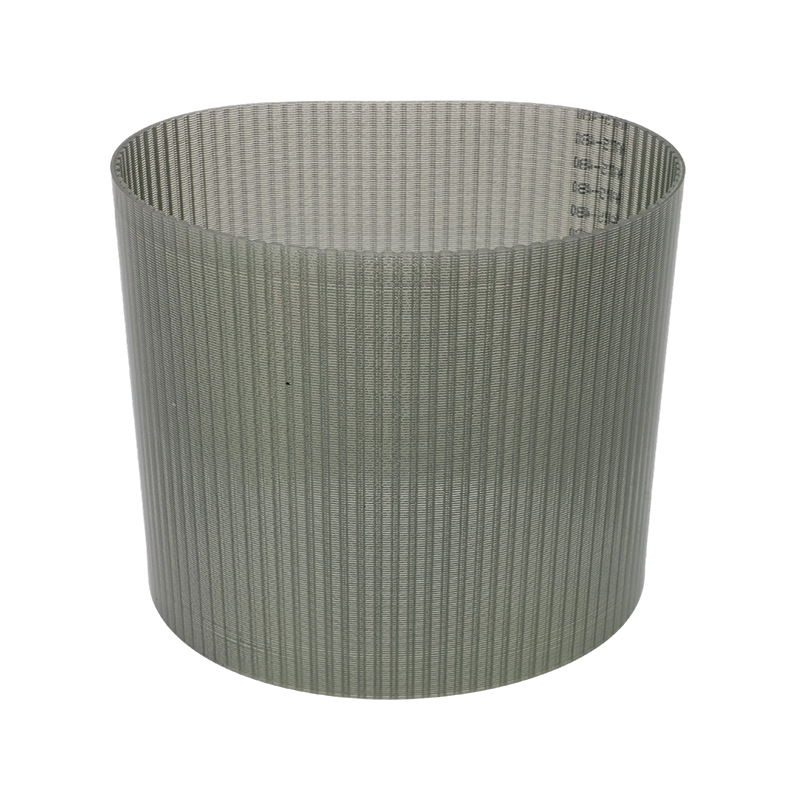
Key Features:Special 5 mm pitch curvilinear tooth ...
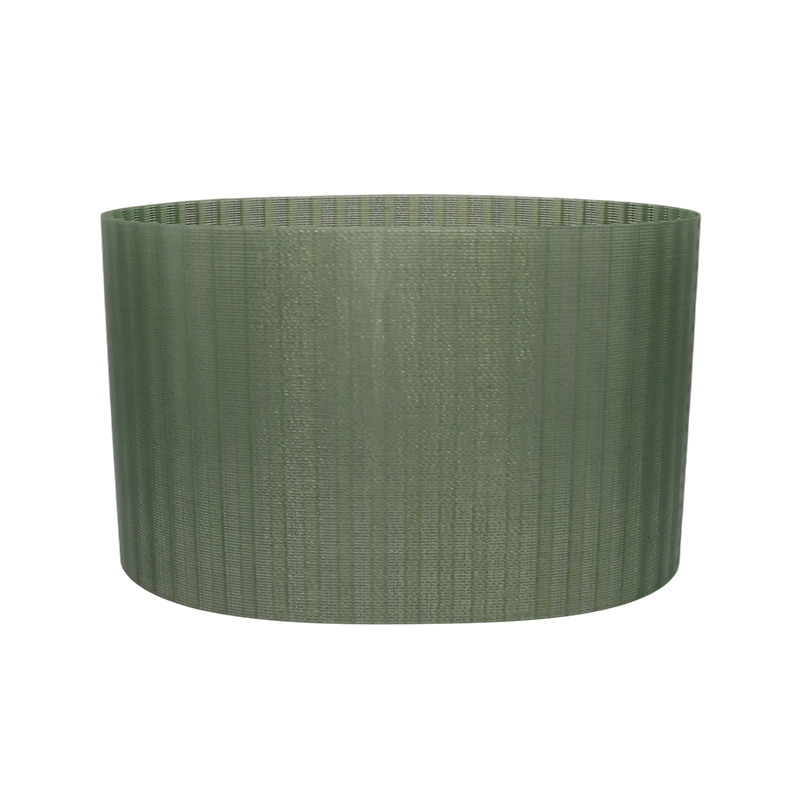
Operating Temperature:Rubber: -20°C to +80°CPolyur...

Key Features:Medium-duty general-purpose drive: Lo...
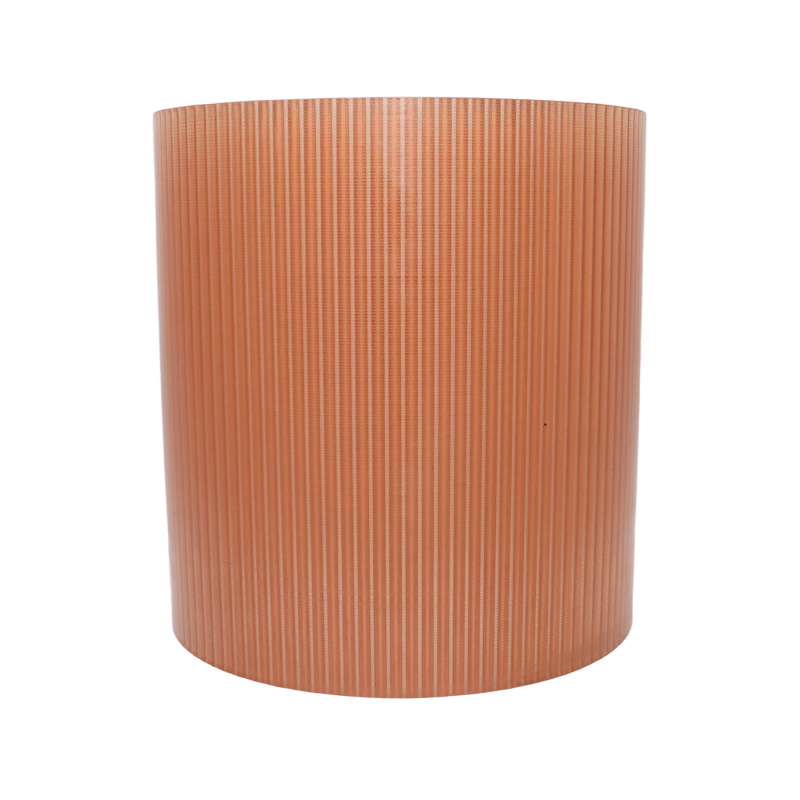
Key Features:Special 5 mm pitch tooth profile, del...
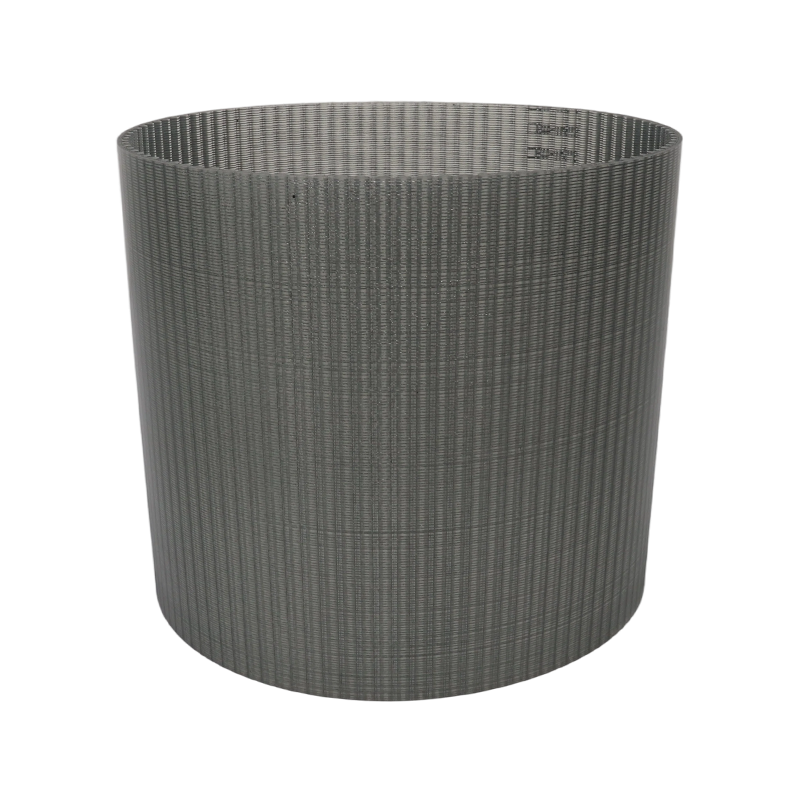
Key Features:High-Speed Stability: Linear speed up...
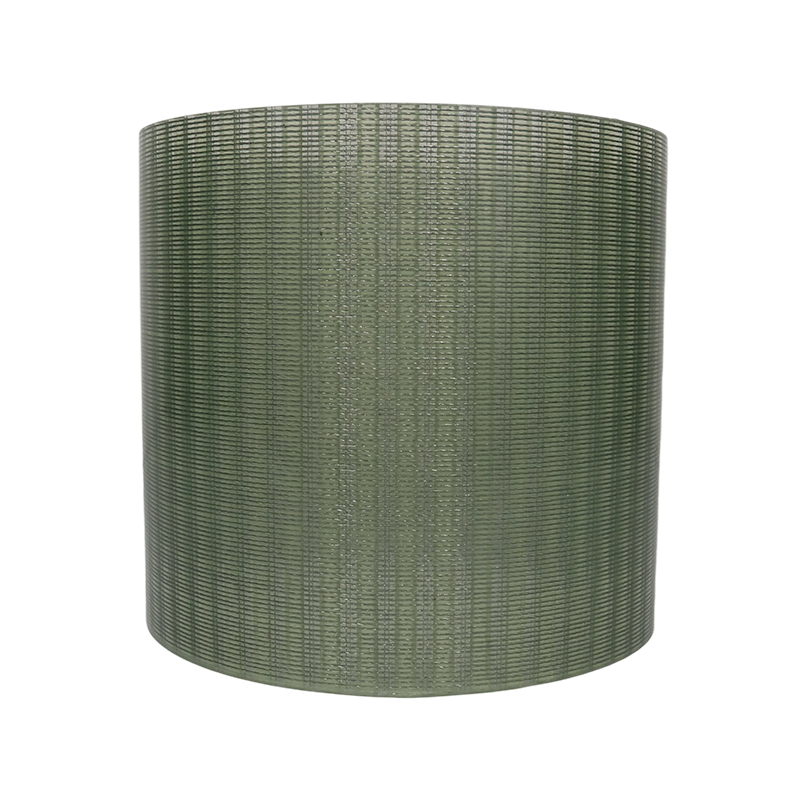
Product Features:Metric standard design with stron...
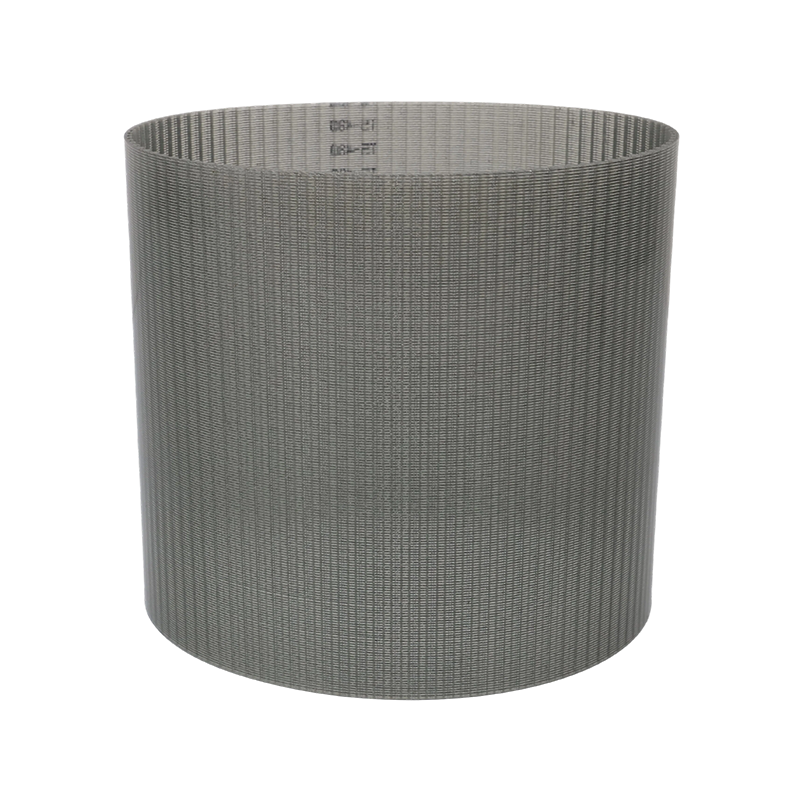
Product Features:Metric standard T-pitch design, w...
Endless synchronous belts are available in more than one construction. A belt can be formed by joining open-ended material, or it can be manufactured as a continuous loop without a...
READ MOREPrecision motion systems depend on more than motor control and accurate pulleys. The timing belt also plays a direct role in how consistently rotary motion becomes linear or synchr...
READ MOREThe rapid expansion of automation, robotics, and intelligent manufacturing is creating higher expectations for mechanical motion systems. Modern machines require transmission compo...
READ MOREModern industrial equipment is entering a new stage where accuracy, smooth operation, and compact mechanical structures have become important design goals. From automated assembly ...
READ MOREA PU timing belt uses polyurethane (PU) as the belt body material instead of traditional neoprene or nitrile rubber. The polyurethane gets cast or extruded around steel or Kevlar tensile cords. The material choice affects every performance metric: wear resistance, dimensional stability, and power transmission efficiency.
Three Performance Improvements That Matter
Higher load capacity without stretching.
PU timing belts stretch less than rubber under the same tension. A rubber belt with steel cords may elongate 0.5-1.0% under rated load. A PU belt with the same cord construction elongates 0.2-0.4%. This lower stretch means the timing stays accurate between the crankshaft and camshaft. For engines running aggressive cam profiles, that difference affects valve timing by 0.5-1.0 degrees at peak RPM.
Superior wear resistance against abrasive conditions.
Polyurethane has higher abrasion resistance than rubber by a factor of 5 to 10. A rubber belt running near an unsealed timing cover picks up dirt and wears teeth unevenly. PU belts shed debris less and resist tooth shearing under shock loads. This matters in motorsport applications where the belt sees rapid load changes from high-lift cams.
The Same Engine, Two Belts
A BMW S14 engine (E30 M3) gets rebuilt with a high-lift camshaft. The builder installs a rubber timing belt. After two track weekends, the belt shows visible tooth wear at the crankshaft pulley. The builder replaces it with a PU belt from the same manufacturer. The PU belt runs the same engine for the rest of the season without visible tooth wear. The engine holds cam timing within the specified range across the entire RPM band.
|
Performance Metric |
Rubber Timing Belt |
PU Timing Belt |
|
Elongation under rated load |
0.5-1.0% |
0.2-0.4% |
|
Abrasion resistance (relative) |
Baseline (1x) |
5-10x higher |
|
Oil resistance (volume swell after 72h immersion) |
10-20% |
<2% |
|
Operating temperature range |
-20°C to 100°C |
-30°C to 120°C |
|
Tooth shear resistance |
Moderate |
High |
|
Typical applications |
OEM passenger vehicles |
Motorsport, high-performance, industrial |
Lifespan for a polyurethane timing belt is not a single number. It depends on operating conditions, load, temperature, and maintenance. Unlike rubber belts (which degrade with time even without use), PU belts degrade primarily with cycles and exposure. A stored PU belt lasts years. A running PU belt wears based on the specific application.
Five Factors That Determine Actual Lifespan
Operating temperature.
Polyurethane belts run safely from -30°C to 120°C (-22°F to 248°F). Running continuously above 100°C accelerates aging. Each 10°C above 100°C roughly halves the lifespan. An engine with poor cooling that runs the timing belt at 115°C may see the belt fail in 5,000 miles instead of 20,000.
Tension and alignment.
A belt tensioned too high stretches the tensile cords prematurely. Too low allows tooth jumping. Both conditions reduce lifespan. Correct tension (measured by a frequency gauge, not "feel") extends belt life. Misaligned pulleys create uneven wear on the belt edges—visible within hours of running and a clear indicator of early failure.
Tooth engagement and pulley condition.
Worn timing pulleys with sharp or pitted teeth shear the belt's teeth faster. A new PU belt on worn pulleys loses 50-70% of its expected lifespan. The belt teeth become the sacrificial component. Replacing pulleys with the belt is standard practice in engines where pulley wear is known (most interference engines).
Chemical exposure. Oil, coolant, and fuel vapor attack the polyurethane differently than rubber. Rubber swells. PU develops surface cracks when exposed repeatedly. A small leak that wets the belt every 500 miles drastically reduces lifespan—from 30,000 miles to 5,000 miles in some documented cases.
Cyclic loading and RPM. A belt in a high-RPM engine (8,000+ RPM) experiences higher centrifugal force and tooth engagement frequency. The same PU belt in a 6,500 RPM engine of the same power output will last longer. Extreme cyclic loading from high-lift, high-spring-pressure valvetrains adds stress.
Timing belt standard sizes follow the ISO 5296 and DIN 7721 specifications. The sizing code includes pitch (distance between teeth), width, and length. Common pitches: 8mm (HTD or trapezoidal), 14mm (HTD), and 20mm. Width ranges from 10mm to 100mm. Length measured in number of teeth or millimeters. The standard sizes exist so replacement belts fit across multiple engine and industrial platforms without custom manufacturing.
Matching Sizes to Applications
8mm pitch belts (8M or T8) suit passenger car engines and light industrial. The 8mm pitch balances load capacity and compactness. Common lengths range from 200 to 300 teeth (1,600-2,400mm circumference). Widths: 10mm to 25mm. Application examples: Honda B-series, Toyota 1JZ, Nissan SR20. The 8mm pitch handles torque up to 50-80 Nm at the camshaft. For engines producing more than 80 Nm at the cam, the teeth may shear under sustained high-RPM load.
14mm pitch belts (14M) suit high-torque automotive and industrial. Larger teeth mean higher load capacity. Common lengths: 100-250 teeth (1,400-3,500mm). Widths: 20mm to 50mm. Application examples: high-performance drag engines, supercharged/turbocharged builds with aggressive cam profiles. The 14mm pitch handles camshaft torque above 80 Nm. Drawback: larger pulleys required, increasing overall engine width.
Trapezoidal profile (T series) vs. curvilinear (HTD series). Trapezoidal teeth (T8, T10, T14) engage with V-shaped pulleys. Simple and cheap but prone to tooth skip under shock load. HTD (high torque drive) teeth have a curvilinear profile that reduces stress concentrations. For automotive use where shock loads exist, HTD dominates. Trapezoidal belts appear in older designs or low-load applications (power steering pumps, water pumps).
Width selection and load capacity. Wider belts transmit more torque before tooth shear. A 25mm wide 8mm pitch belt carries roughly 1.5x the load of a 16mm wide belt of the same length. The trade-off: wider belts require wider pulleys, adding material cost and package width. For most passenger car applications, 20-25mm width covers the load. For 500+ HP builds, 30mm or wider becomes common.
Standard Sizes by Application and Load
|
Belt Profile |
Pitch (mm) |
Typical Width (mm) |
Load Capacity |
Automotive Applications |
|
T8 (trapezoidal) |
8 |
10-20 |
Low-moderate |
Older engines, low-RPM |
|
8M HTD (curvilinear) |
8 |
16-25 |
Moderate |
Most 4-cylinder engines |
|
T10 (trapezoidal) |
10 |
10-25 |
Moderate |
Off-road, industrial |
|
14M HTD (curvilinear) |
14 |
20-50 |
High |
High-performance, forced induction |
|
T20 (trapezoidal) |
20 |
20-100 |
Very high |
Industrial, heavy equipment |
Contact Us
information
Chengxi Industrial Zone, Sanmen County, Zhejiang Province, China
+86-576-83355666
+86-576-83351588
product
mobile
