

Timing belts are designed to provide accurate power transmission through positive tooth engagement, yet unexpected wear remains a common concern in industrial motion systems. A belt that appears suitable during installation may develop tooth wear, cracking, noise, or reduced transmission accuracy after months of operation.
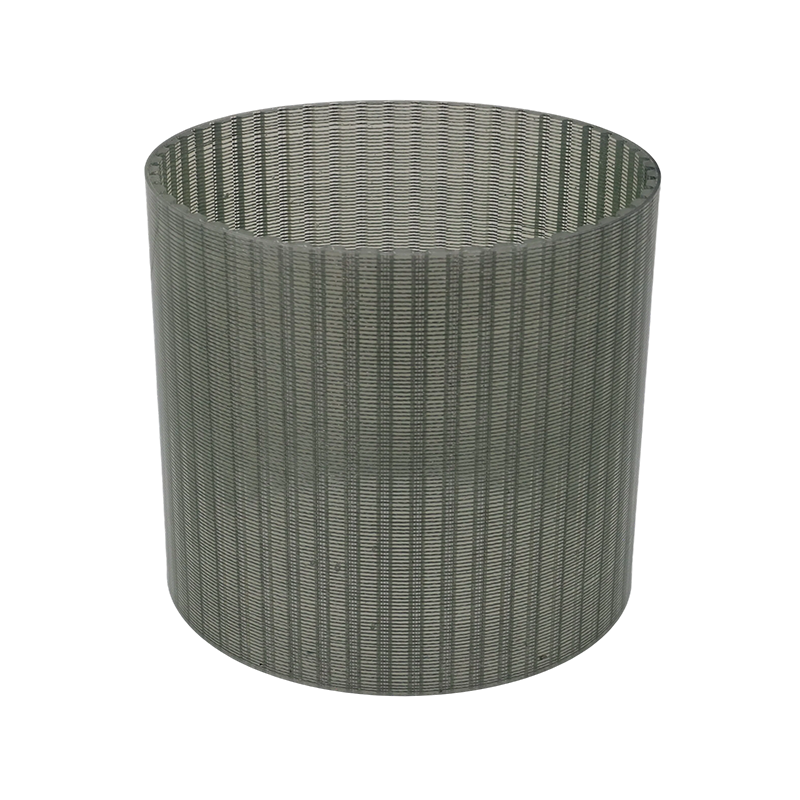
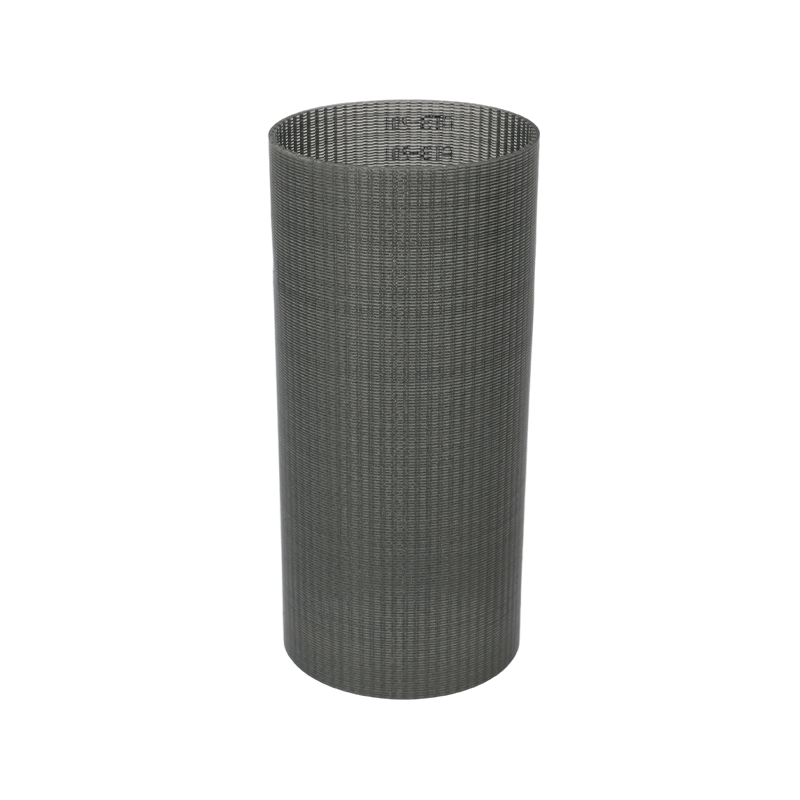
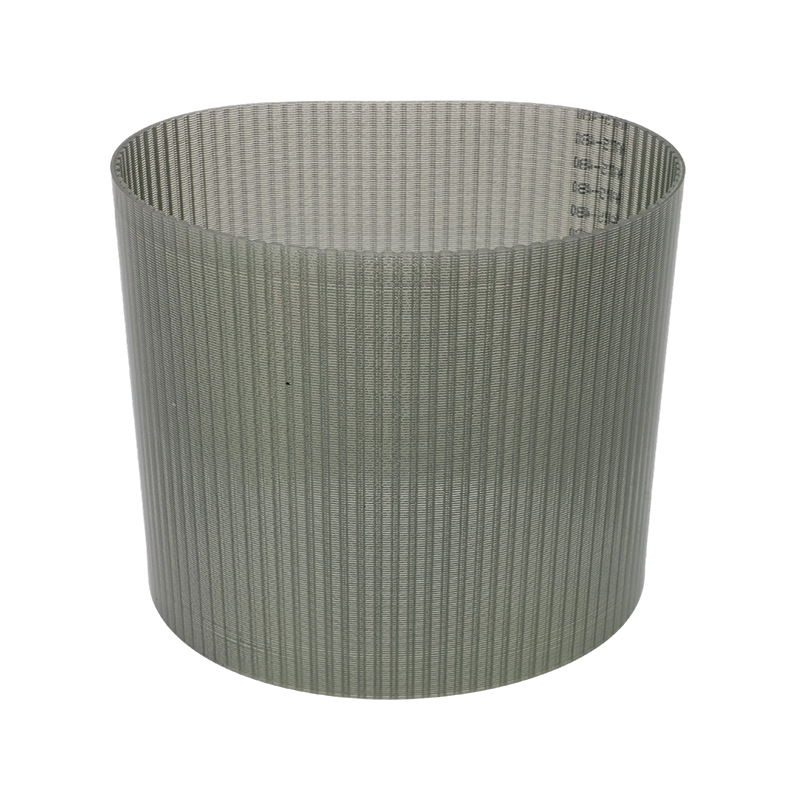
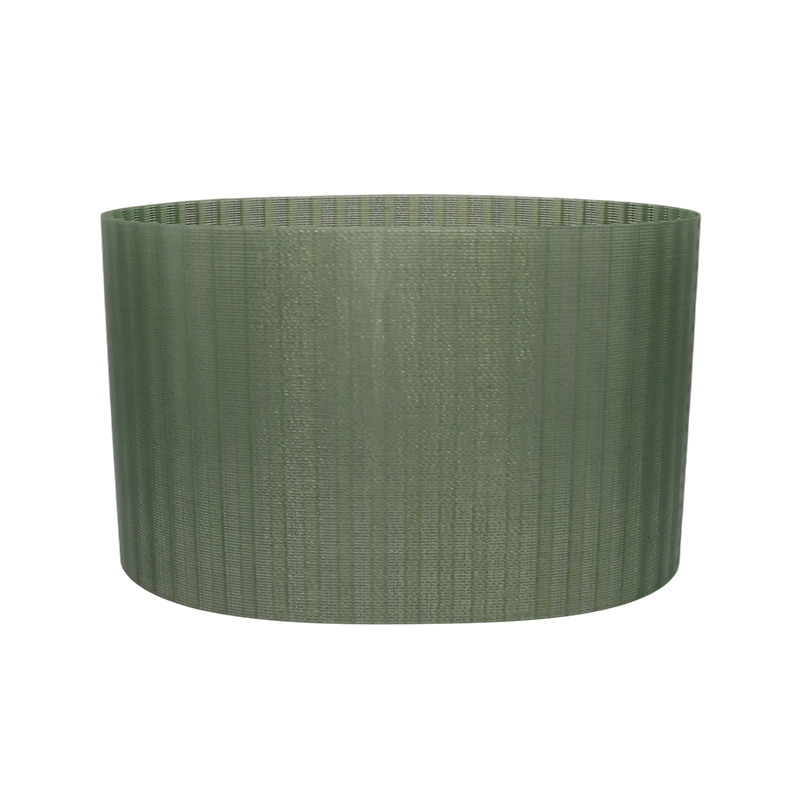
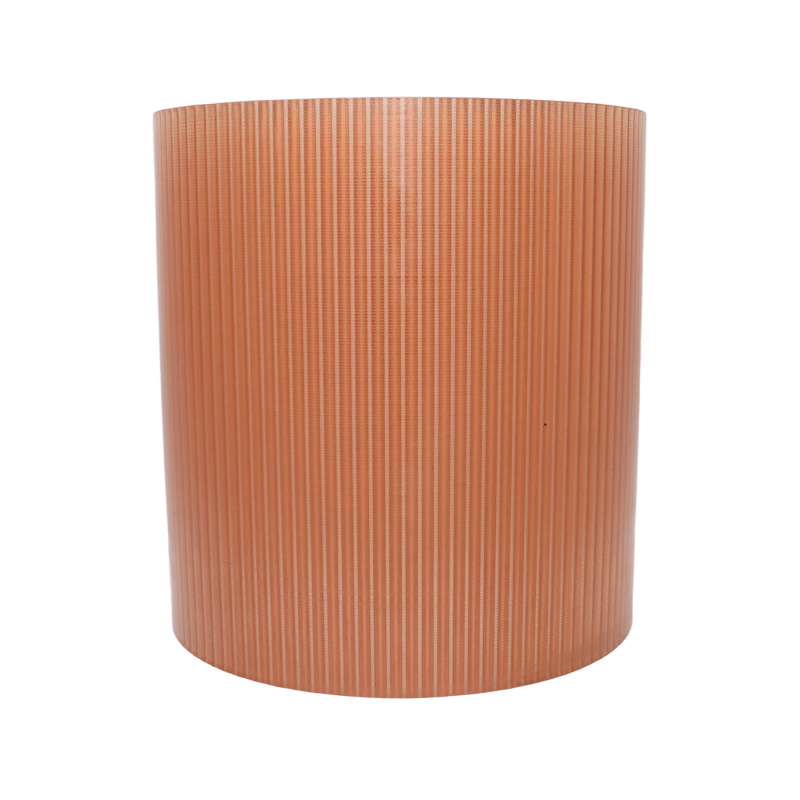
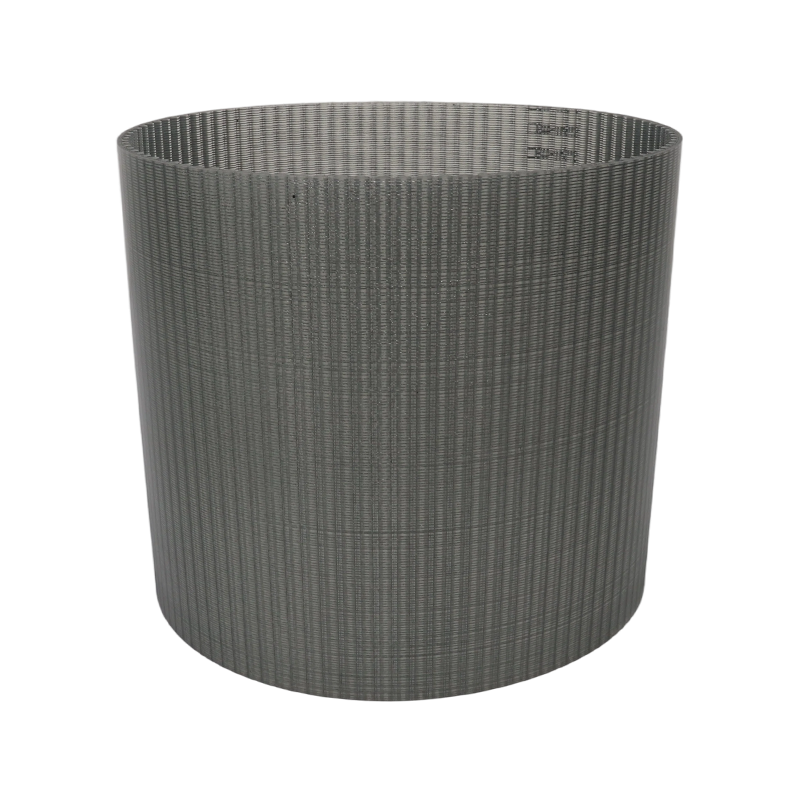
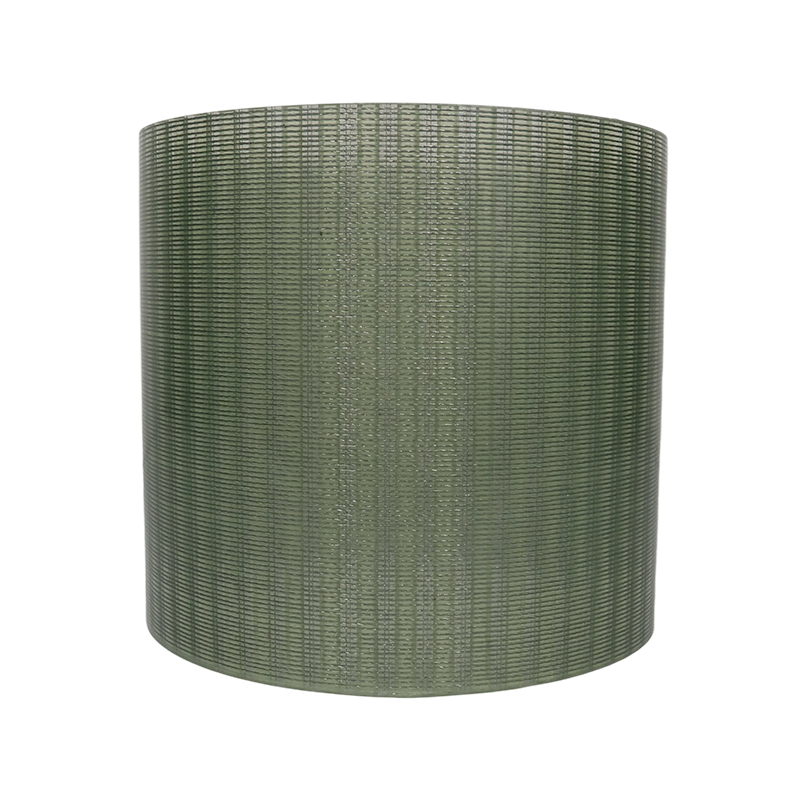
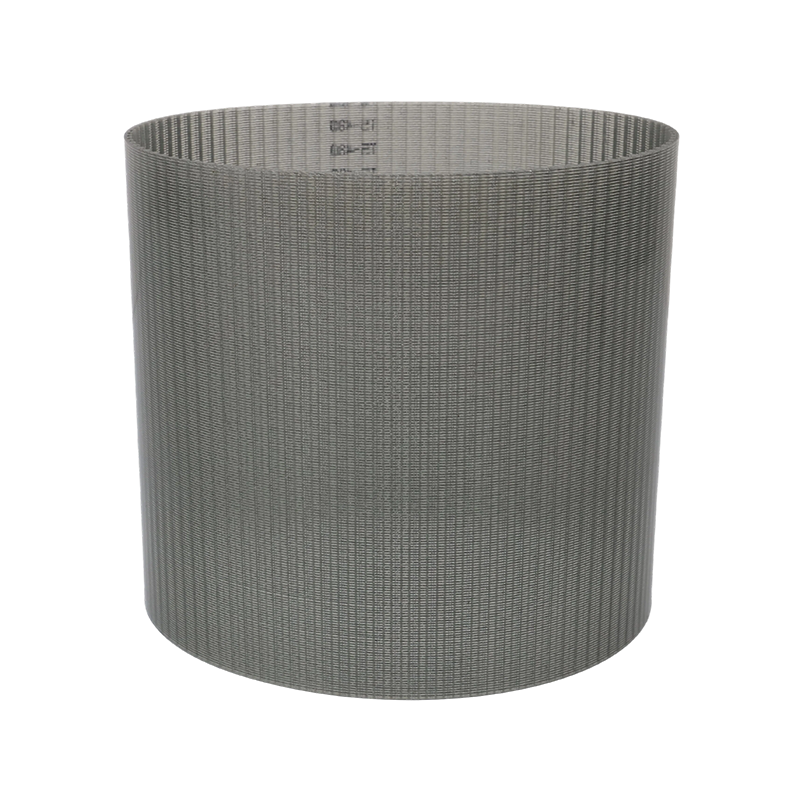
The 5M PU Trapezoid Synchronous Belt is widely applied in automation equipment, packaging machinery, textile machines, printers, CNC equipment, and other motion control systems requiring reliable synchronization. With a 5 mm pitch structure and polyurethane body combined with tensile reinforcement, this belt offers stable operation under various working conditions. However, premature wear does not always indicate a problem with the belt itself. Installation conditions, pulley design, operating loads, and environmental factors can significantly influence service performance.
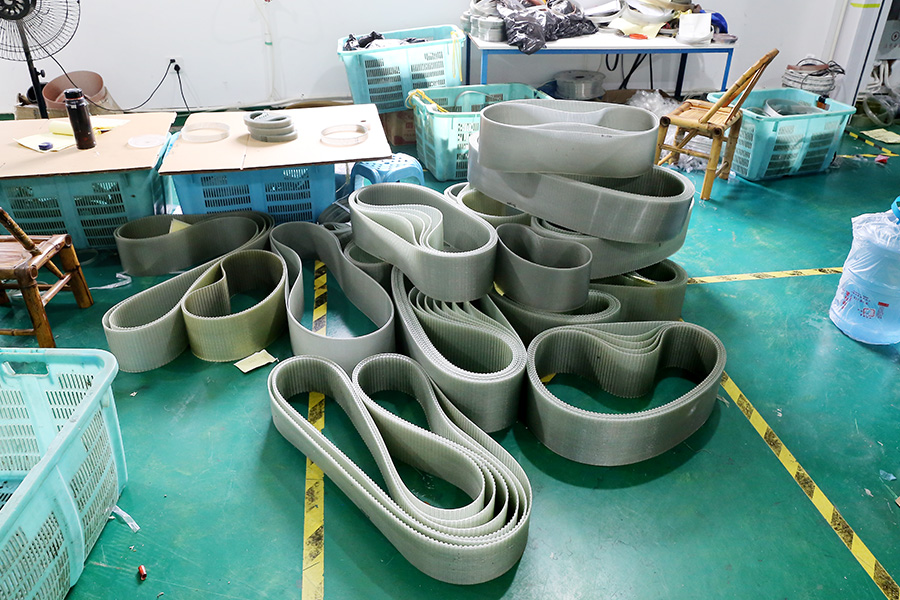
A common misunderstanding is that a synchronous belt wears only because of long operating hours. Actual belt degradation usually results from several mechanical conditions working together.
Understanding these causes helps engineers determine whether the belt is unsuitable for the application or whether the surrounding transmission system requires adjustment.
Belt tension directly affects how effectively teeth engage with pulley grooves. A loose belt may create incomplete contact between the tooth profile and pulley, especially during acceleration or sudden load changes.
Typical symptoms of insufficient tension include:
Insufficient tension may cause the belt teeth to climb out of the pulley grooves, creating impact forces that accelerate tooth deformation. Proper tension allows the tooth profile to share loads more evenly across the belt width.
Increasing tension does not always improve performance. Excessive tension increases stress on the belt reinforcement layer, shafts, and bearings.
A tightly tensioned 5M PU Trapezoid Synchronous Belt may experience:
The correct tension value depends on belt width, center distance, transmitted torque, pulley size, and operating speed. A balanced tension condition provides stable tooth engagement without creating unnecessary mechanical stress.
The belt and pulley work as a complete transmission pair. Even a high-quality polyurethane belt may suffer premature damage with an unsuitable pulley.
Important pulley factors include:
Worn or inaccurate pulleys can create uneven pressure on belt teeth. This condition often appears as localized wear rather than uniform aging across the entire belt surface.
The trapezoidal tooth profile has been used in synchronous belt systems for many years because of its simple structure and reliable engagement characteristics. The tooth shape determines how forces transfer between the belt and pulley.
During operation, the tooth experiences:
Applications involving frequent reversing motion or rapid acceleration may place greater demands on tooth strength and load distribution. Proper sizing becomes especially important under dynamic operating conditions.
A belt may perform well under normal running conditions, but experience accelerated wear during peak loads.
Common examples include:
Shock loads create short-term forces much higher than average operating torque. These repeated impacts can damage tooth roots and reduce belt reliability over time.
The internal reinforcement layer provides tensile strength and controls belt elongation. Different reinforcement materials influence how the belt responds under repeated loading.
The reinforcement structure should match the machine's speed, load pattern, and accuracy requirements.
Although polyurethane provides strong resistance against abrasion and wear, harsh environments may still influence belt performance.
Potential risk factors include:
A clean transmission environment reduces abrasive damage and helps maintain consistent tooth engagement.
Regular inspection allows engineers to identify problems before complete failure occurs.
Tooth wear, belt elongation, and surface damage often provide early signals that the transmission system requires adjustment.
Different manufacturers provide various specifications, but common characteristics include:
The final performance depends not only on the belt specification but also on the complete drive design.
Extending belt service life requires attention to the entire transmission system rather than focusing only on the belt.
A 5M PU Trapezoid Synchronous Belt does not necessarily wear faster simply because of its trapezoidal tooth design. Premature wear usually appears from mismatched components, incorrect tension, unsuitable loads, or challenging operating environments. A complete evaluation of the belt, pulley, machine movement pattern, and installation condition provides a clearer path toward stable transmission performance. With proper application analysis and regular inspection, this type of synchronous belt can maintain reliable motion control across many industrial systems.


Contact Us
information
Chengxi Industrial Zone, Sanmen County, Zhejiang Province, China
+86-576-83355666
+86-576-83351588
product
mobile


 English