

Ordering a replacement timing belt based on appearance or overall length alone can create avoidable purchasing problems. A belt may look similar to the original but still fail to fit the pulley system because of differences in tooth profile, pitch, width, or construction. At Chengtai, we encourage industrial buyers, equipment manufacturers, and distributors to verify the complete specification before confirming a replacement order.
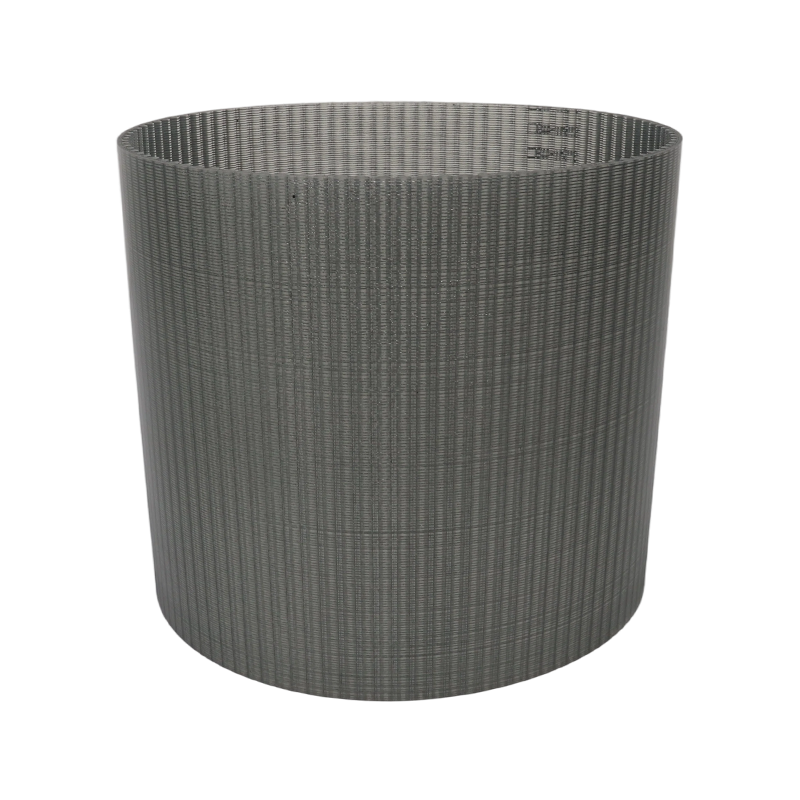
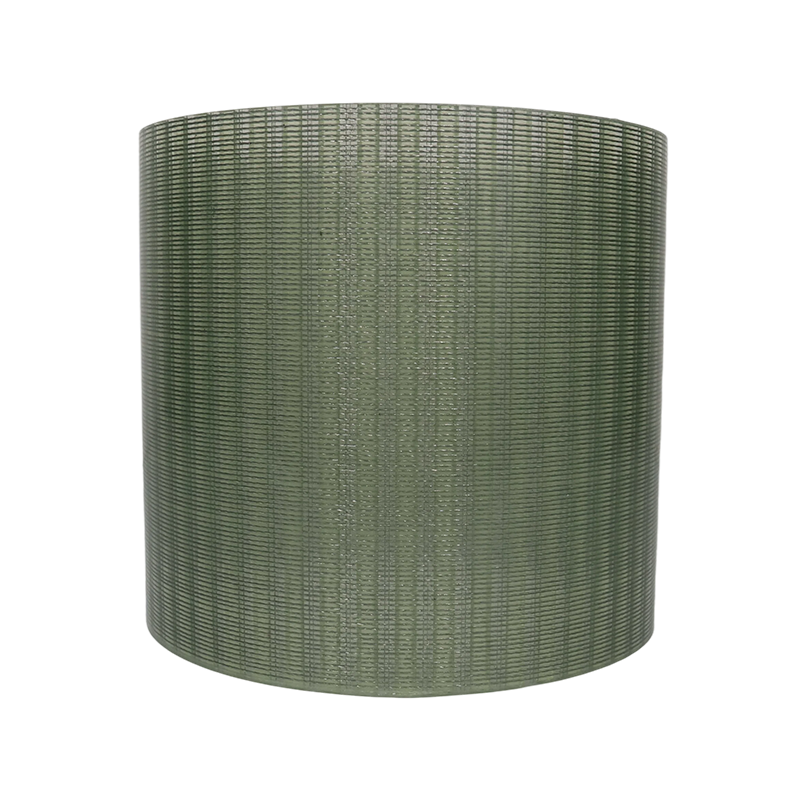
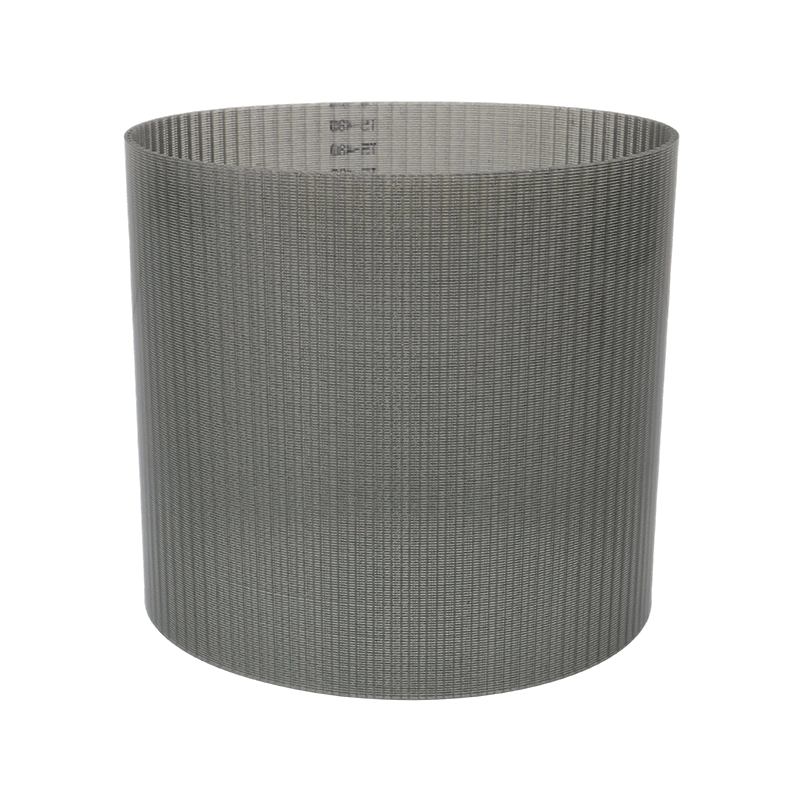
Our timing belt standard sizes product range provides a starting point for customers comparing polyurethane synchronous belt options. Understanding the following dimensions can help you communicate requirements clearly and reduce the risk of ordering an incompatible component.

Tooth profile determines how the belt engages with the pulley, while pitch describes the distance between corresponding points on adjacent teeth along the belt's pitch line. Both specifications must match the intended drive system.
Common timing belt profiles include:
Profiles sharing the same nominal pitch are not necessarily interchangeable. For example, T5, AT5, and 5M belts have different tooth geometries. Before ordering, check the original belt markings or consult the equipment drawing to establish the required profile.
Belt length is another important consideration, particularly for closed-loop transmission systems. Timing belts are commonly specified by pitch length, which corresponds to the distance measured along the belt's pitch line rather than its outer circumference.
For a standard synchronous belt, pitch length can be calculated using the following relationship:
Pitch length = tooth pitch × number of teeth
For example, a 5M belt with 120 teeth has a nominal pitch length of 600 mm. This calculation provides a useful reference, but the required belt must still match the machine's pulley arrangement and tensioning range.
Correct width helps ensure that the replacement fits the available pulley face and surrounding machine structure. A belt that is too wide may interfere with nearby components, while a narrower belt may not meet the original design requirements.
Before requesting a quotation, measure the belt across its face and compare the result with the original part number or technical drawing. Record the required width in millimeters or inches, and specify the measurement unit clearly.
We also recommend checking pulley flange spacing and installation clearance. These details are particularly relevant to equipment manufacturers purchasing belts for repeated assembly or replacement programs.
Timing belts are available in different materials and reinforcement constructions. Polyurethane (PU) belts are used in various industrial synchronous transmission applications, while rubber belts serve other drive requirements. The appropriate construction depends on operating conditions and the intended equipment design.
These details help us evaluate whether the requested belt construction corresponds to the application's requirements. Buyers should avoid changing materials or reinforcement without confirming suitability for the existing drive system.
A belt designation often combines several pieces of information, such as profile, pitch length, and width. However, coding conventions vary by manufacturer and belt family, so a part number should be interpreted using the relevant product documentation.
Before confirming your purchase, prepare the following information:
Providing a photograph of the original belt, a technical drawing, or pulley specifications can also help clarify uncertain details. For bulk purchasing, we recommend documenting the approved specification so that subsequent orders can be checked against the same reference.
Accurate replacement purchasing depends on more than finding a belt with a similar length. Tooth profile, pitch, width, material, reinforcement, and the intended drive configuration all influence compatibility.
At Chengtai, we welcome inquiries from distributors, industrial buyers, and equipment manufacturers seeking polyurethane timing belts. Share your existing belt designation, dimensions, application details, or technical drawing with our team. We can review the information and discuss a suitable product configuration based on your requirements.


Contact Us
information
Chengxi Industrial Zone, Sanmen County, Zhejiang Province, China
+86-576-83355666
+86-576-83351588
product
mobile


 English