

Signing a belt supply agreement involves more than negotiating a unit price and confirming an order volume. Importers and industrial distributors also need to understand product specifications, inspection requirements, delivery responsibilities, and procedures for handling nonconforming goods. Unclear terms can create disputes over product acceptance, unexpected costs, or repeat orders that do not match the approved sample.
At Chengtai, we believe successful supply cooperation starts with clear technical and commercial communication. As one of the industrial timing belt manufacturers serving industrial transmission applications, we encourage buyers to establish written requirements before production begins. The following points can help importers prepare a more practical belt supply agreement.
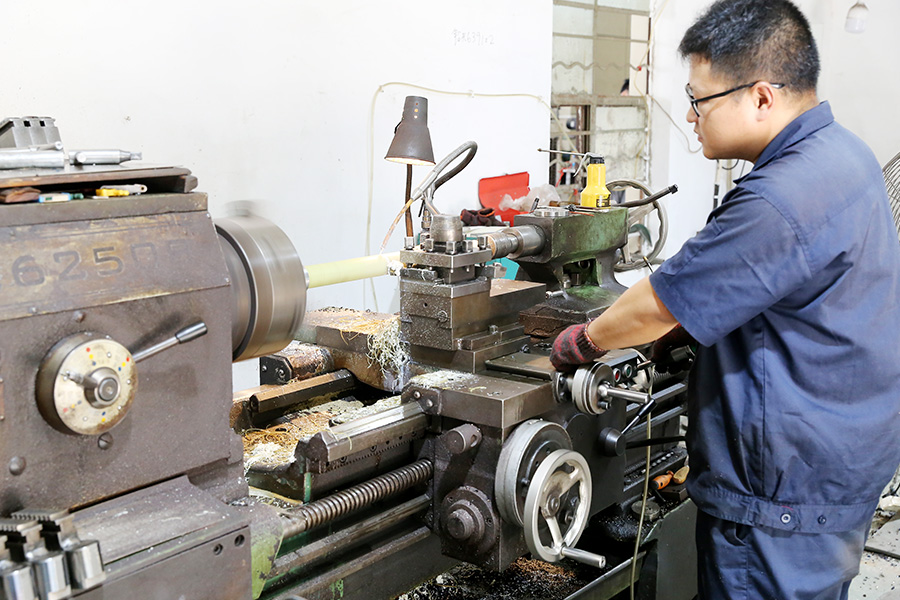
A supply agreement should identify the exact belt construction rather than relying on a general product name. Timing belts with similar appearances may use different tooth profiles, pitches, materials, or reinforcement structures.
Before signing, confirm these technical details:
For example, a 3M synchronous belt has a nominal tooth pitch of 3 mm. That designation alone does not define every aspect of the product, including belt width, length, reinforcement, or manufacturing tolerances. Attaching an approved drawing or technical specification to the agreement provides a clear reference for production and inspection.
Terms such as “good quality” or “strict inspection” are difficult to enforce without measurable acceptance criteria. Buyers and suppliers should agree on which characteristics will be inspected, how measurements will be taken, and what happens if the delivered goods fail to meet the documented requirements.
We recommend confirming the following items:
Importers should also clarify whether pre-shipment inspection or third-party testing is required. The agreement should state who arranges the inspection, who pays the associated costs, and how inspection findings affect shipment approval.
Delivery terms affect transportation costs, customs arrangements, insurance responsibilities, and the allocation of risk during international shipments. A quotation should therefore identify the agreed shipping arrangement rather than leaving logistics details to informal discussions.
Before approving the agreement, verify:
Clear shipping responsibilities help both parties coordinate freight arrangements and prepare for customs clearance. Buyers should also distinguish the agreed dispatch date from the estimated arrival date, which may depend on transportation and border procedures.
A supply agreement should explain how the quoted price applies to the confirmed specification and commercial scope. Importers need to understand whether tooling, custom packaging, testing, labeling, and freight are included or quoted separately.
Review these commercial provisions before signing:
Written change control is especially important for recurring orders. A substitution involving belt material, reinforcement, or dimensions should not proceed without the required technical review and buyer approval.
Even with agreed inspection procedures, importers need a defined process for addressing products that arrive damaged or fail to meet contractual requirements. The agreement should explain how a claim is submitted, which supporting evidence is needed, and how both parties will investigate the issue.
Useful provisions include:
Warranty coverage should also identify its duration, scope, exclusions, and relationship to the product's intended operating conditions. These provisions give both parties a consistent framework for resolving concerns without relying on assumptions.
Importers managing multiple belt models need a reliable way to connect each shipment with its approved specification. Without suitable identification, a discrepancy may be difficult to trace back to the relevant production batch or order record.
We recommend documenting product codes, applicable batch identification, inspection records, and approved specification revisions. The agreement can also define record-retention expectations and require advance notification of changes that may affect product conformity.
At Chengtai, we encourage customers to provide their technical drawings, samples, or existing belt specifications during the quotation stage. This gives both parties a common reference for discussing the product configuration and the documentation required for future purchases.
A practical belt supply agreement connects technical specifications with quality controls, commercial terms, shipping responsibilities, and claim procedures. Each requirement should be clear enough for both parties to verify before production and after delivery.
At Chengtai, we welcome inquiries from importers, distributors, and equipment manufacturers seeking polyurethane timing belts for industrial transmission applications. Share your required belt profile, dimensions, material specifications, order volume, and inspection expectations with our team. We can review your requirements and discuss the product configuration and supply arrangements relevant to your project.


Contact Us
information
Chengxi Industrial Zone, Sanmen County, Zhejiang Province, China
+86-576-83355666
+86-576-83351588
product
mobile


 English