

Replacing a belt on a 3D printer may appear straightforward, especially when the replacement has the same overall length as the original component. However, dimensional similarity does not guarantee reliable motion transmission. At Chengtai, we understand that printer manufacturers, repair specialists, and parts distributors need to verify several technical details before ordering replacement belts. Tooth geometry, pitch, width, reinforcement, and belt construction all influence compatibility with the printer's drive system.
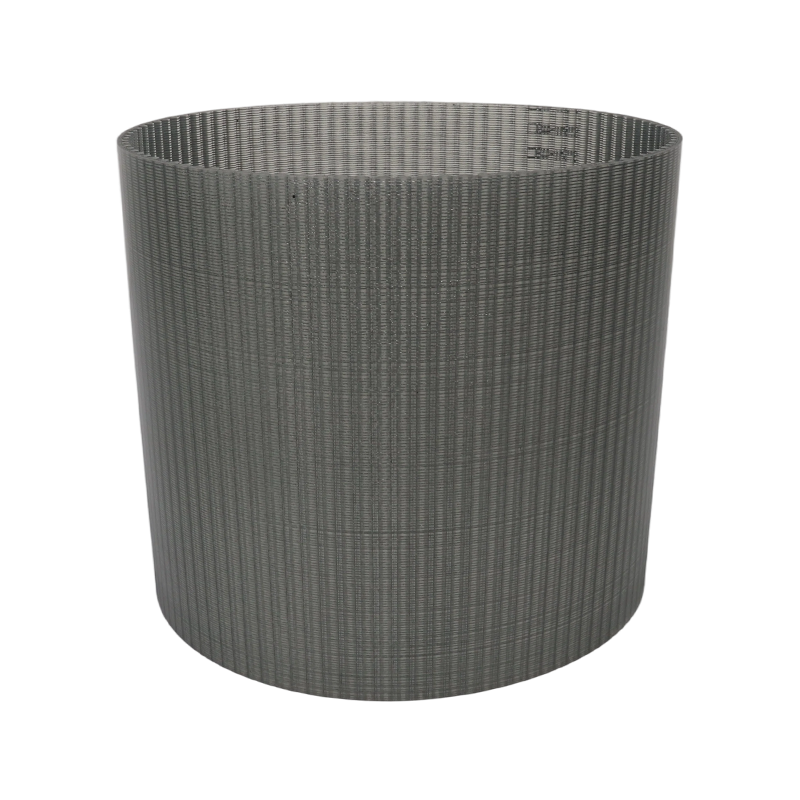
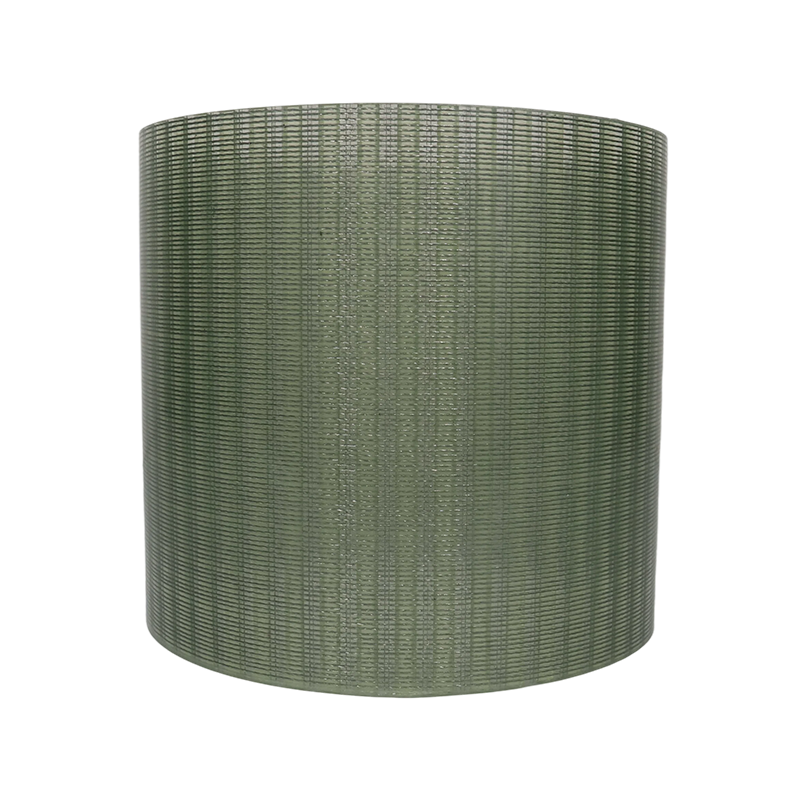
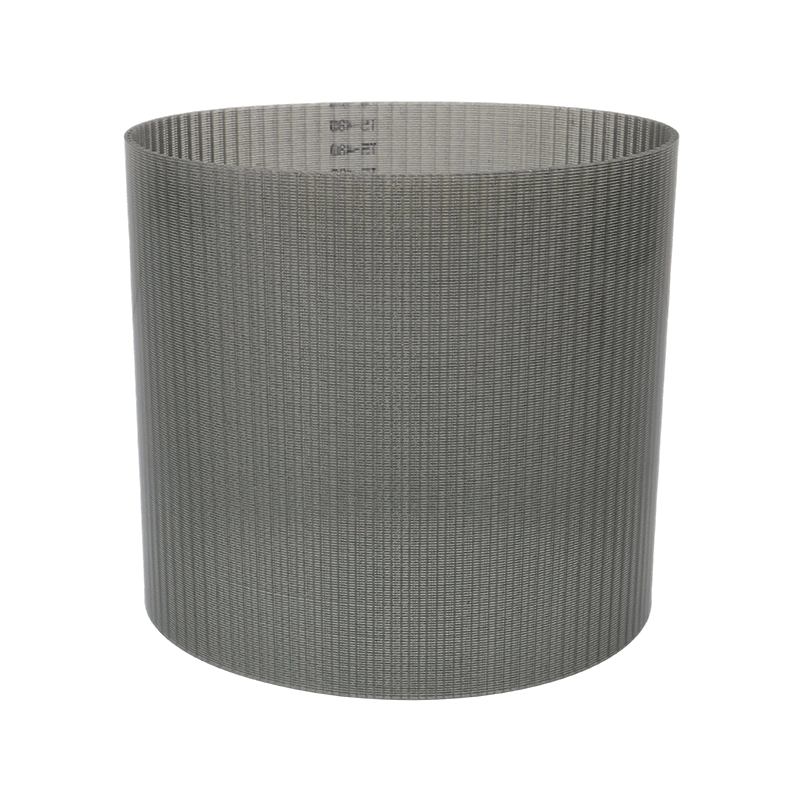
Our timing belt for 3d printers product inquiry process can begin with your application details, existing belt specifications, or technical drawing. By reviewing these details together, we can discuss whether a polyurethane timing belt with an AT5 trapezoidal profile suits the intended transmission system.

Tooth profile is a critical compatibility factor because the belt teeth must engage correctly with the pulley grooves. Two belts may share a similar length but use different tooth shapes, making them unsuitable for the same drive system.
These profiles are not interchangeable simply because their dimensions appear similar. An AT5 belt, for example, should not automatically replace a GT2 belt on a desktop printer. Before ordering, confirm the original belt designation and the pulley profile. Our AT5 polyurethane belt is worth evaluating when the equipment is designed for that specification, rather than treating it as a universal printer replacement.
Belt pitch refers to the distance between corresponding points on adjacent teeth, measured along the belt's pitch line. The pulley must use a compatible tooth spacing to maintain proper engagement during movement.
Consider two common examples:
The difference affects pulley geometry and the spacing of the belt teeth. A replacement with the wrong pitch may fail to seat correctly, even when its length and width appear suitable. We recommend confirming the pitch from the existing belt markings, equipment documentation, or a reliable technical drawing before requesting a quotation.
Width is another specification that buyers should verify carefully. A belt that is too wide may interfere with pulley flanges or nearby machine components, while a narrower belt may not provide the contact area intended by the original design.
Before placing an order, check these points:
Width should be assessed together with the tooth profile, pulley design, and expected load. A dimensional change may affect how the belt sits in the drive system, so we recommend confirming the complete specification rather than ordering by width alone.
Correct length helps the belt fit the intended motion path and allows the tensioning system to operate within its designed adjustment range. However, buyers should also distinguish between open-ended belts and closed-loop belts. Some linear motion systems use open-ended belting cut to length, while other assemblies require a continuous loop.
For an accurate replacement, confirm:
Polyurethane timing belts are used in various synchronous transmission applications. Their suitability for a particular printer or motion assembly depends on the belt profile, reinforcement, operating conditions, and pulley compatibility. We encourage customers to provide the complete technical requirements before confirming a material change.
At Chengtai, we recommend preparing a short specification sheet to reduce uncertainty during replacement purchasing. This is particularly useful for equipment manufacturers and distributors managing several printer models.
Clear specifications help us assess the requested configuration and identify details that need confirmation before production. They also give purchasing teams a consistent reference for comparing quotations and arranging repeat orders.
Compatibility extends beyond belt length. Tooth profile, pitch, width, reinforcement, material, and belt format all need to correspond with the intended drive system. Checking these parameters before purchasing helps reduce the risk of receiving a belt that cannot be installed or does not meet the equipment's operating requirements.
At Chengtai, we welcome inquiries from equipment manufacturers, distributors, and industrial buyers seeking polyurethane synchronous belts. Send us your existing belt markings, dimensional requirements, pulley details, or technical drawing. Our team can review the information and discuss an appropriate belt specification for your application.


Contact Us
information
Chengxi Industrial Zone, Sanmen County, Zhejiang Province, China
+86-576-83355666
+86-576-83351588
product
mobile


 English