

Motion stability is a critical factor in automated equipment, especially in systems requiring repeatable positioning, smooth conveying, and synchronized movement. A small transmission deviation may affect product alignment, processing accuracy, and machine consistency over long operating periods.
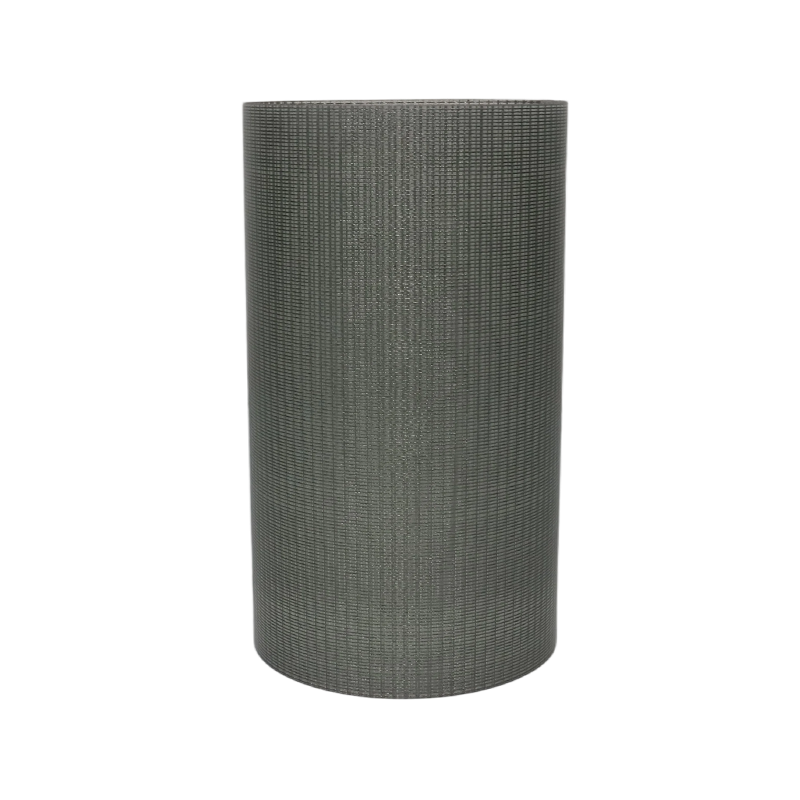
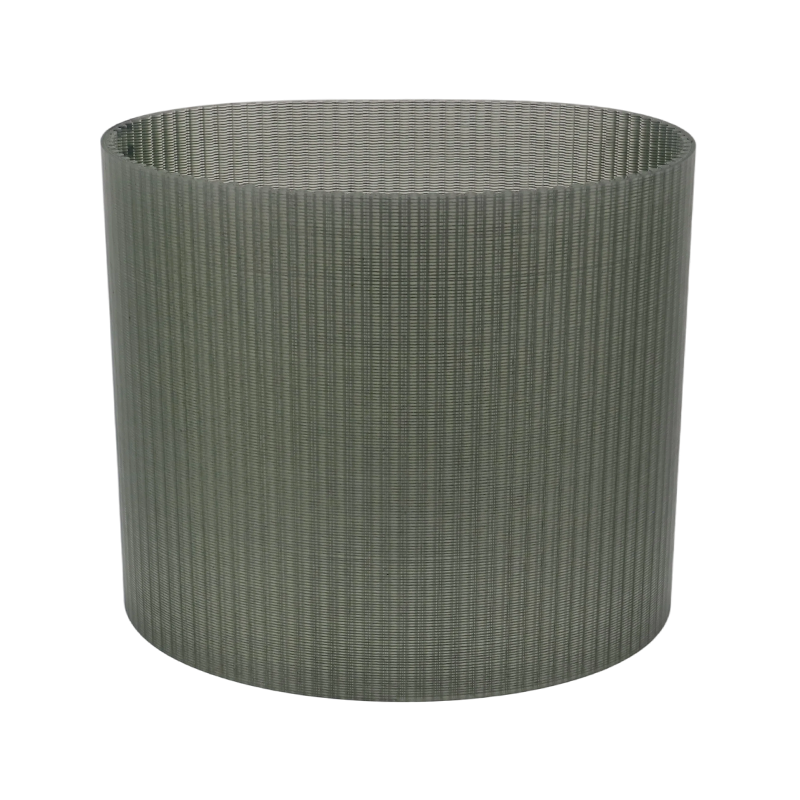
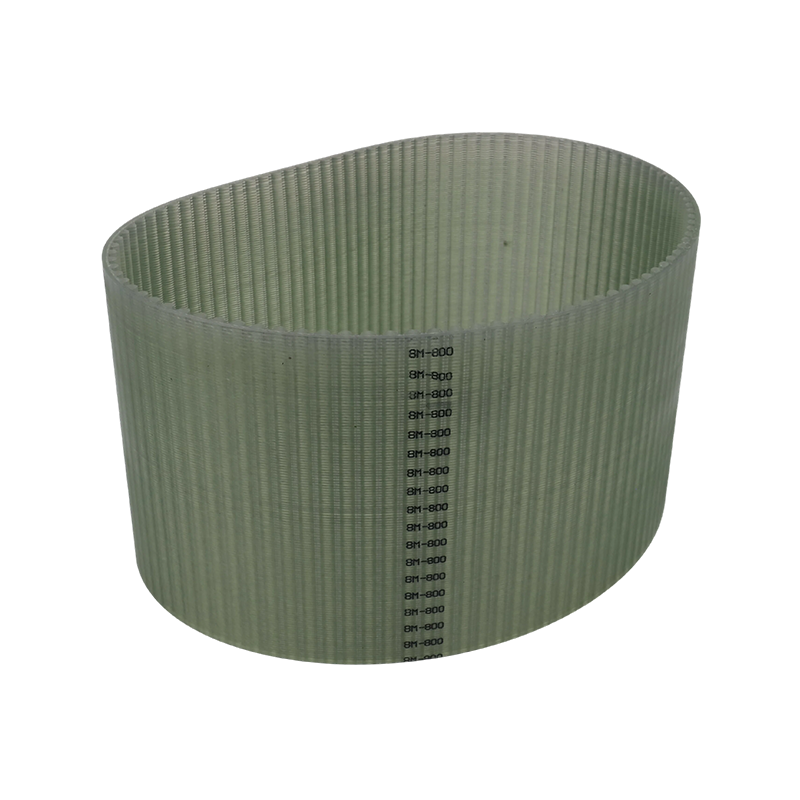
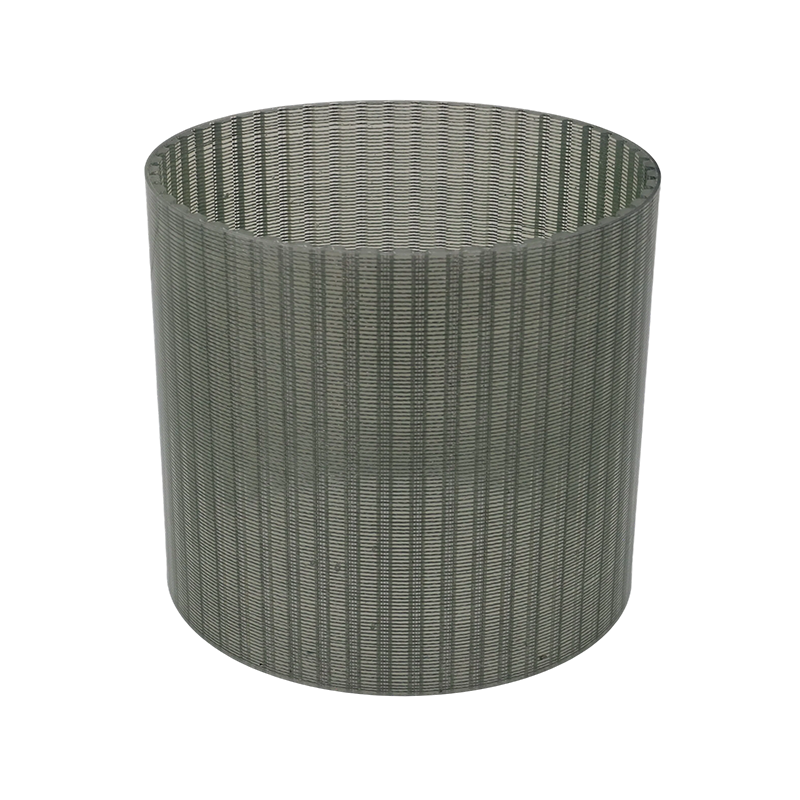
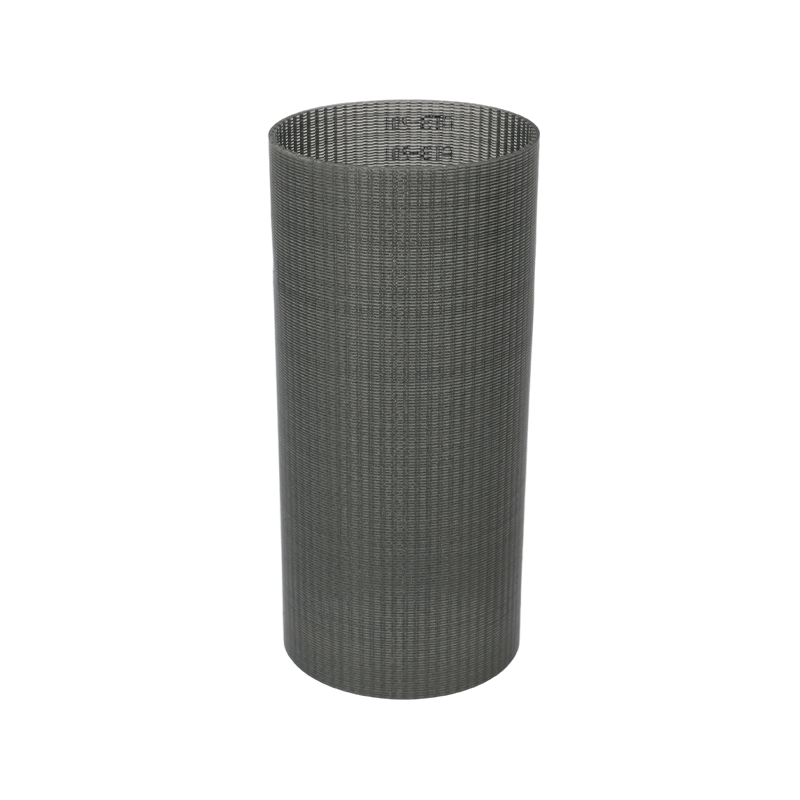
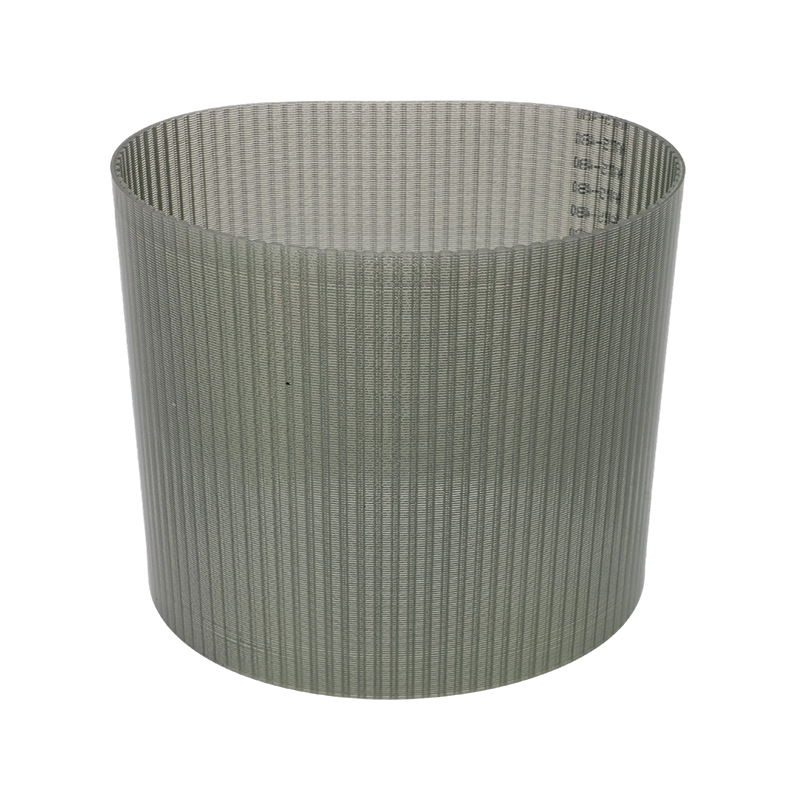
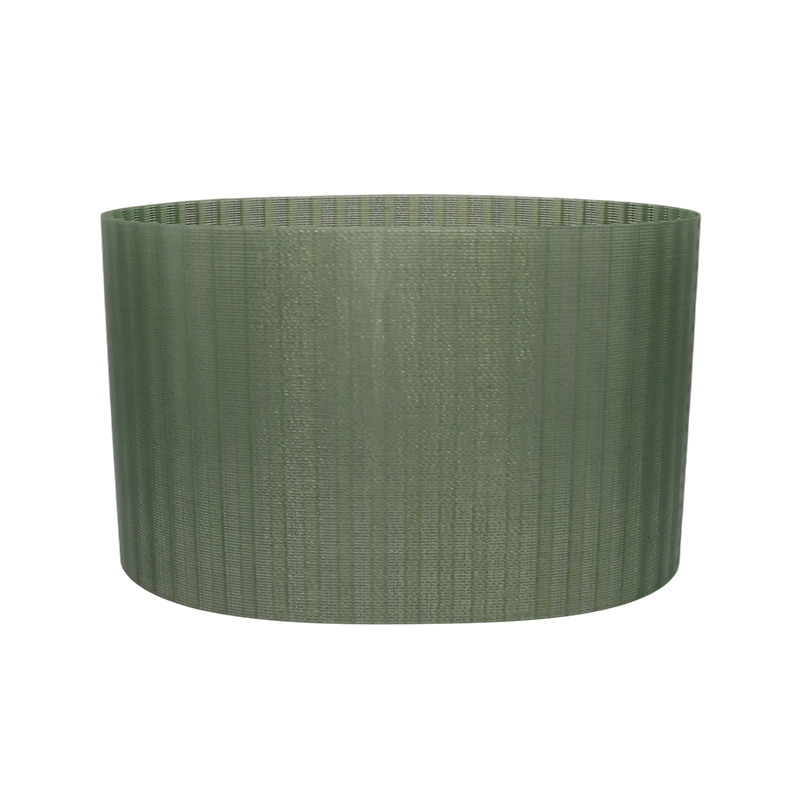
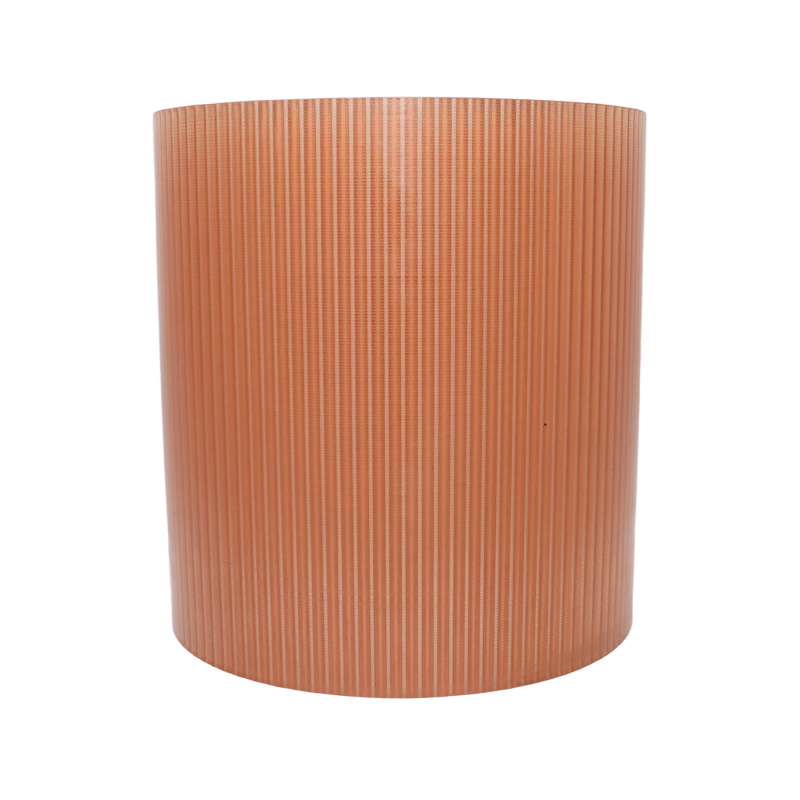
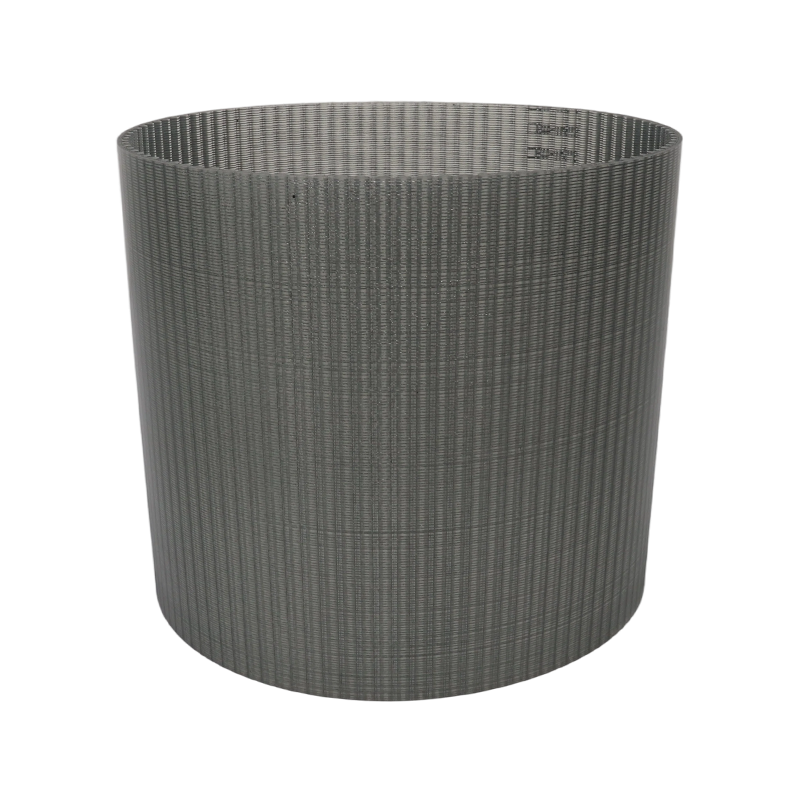
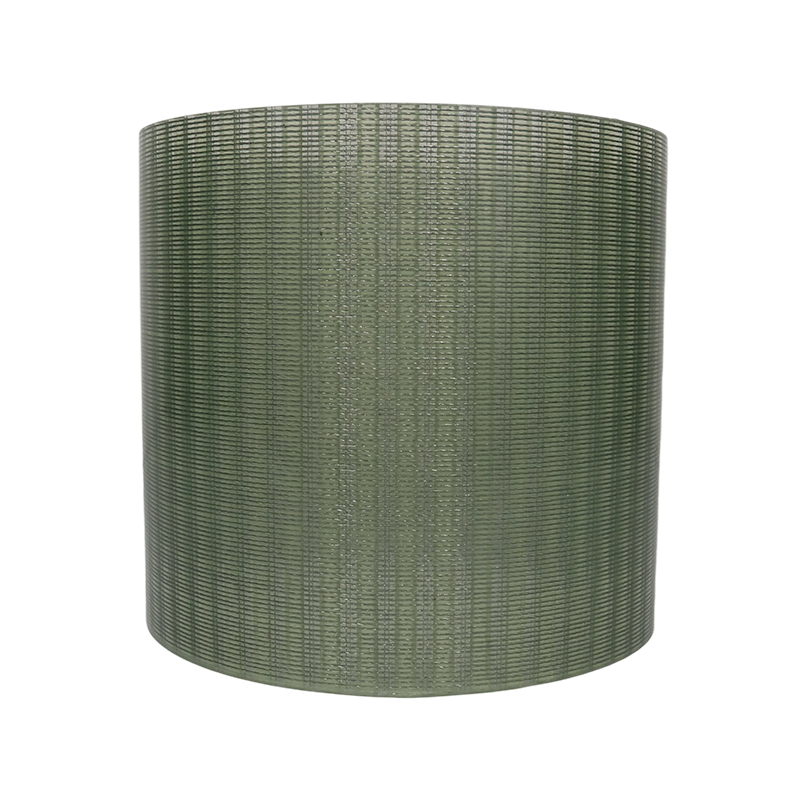
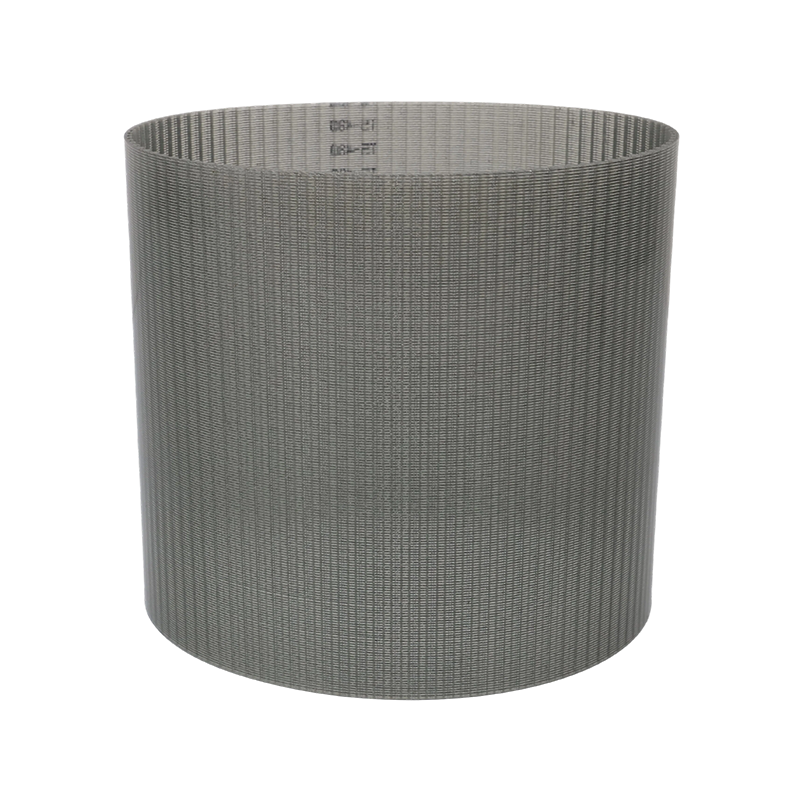
A Closed-Loop Synchronous Belt is designed as a continuous belt system without a traditional open-end connection. This structure allows the belt to maintain consistent pitch, stable tension, and reliable tooth engagement with matching pulleys. It is widely used in robotics, packaging machines, linear motion equipment, CNC systems, and precision conveying applications where stable movement is important. Synchronous belts achieve motion synchronization through toothed engagement between the belt and pulley rather than friction-based transmission.
However, does an endless belt automatically improve motion stability? The answer depends on the belt construction, application requirements, pulley design, and installation conditions.
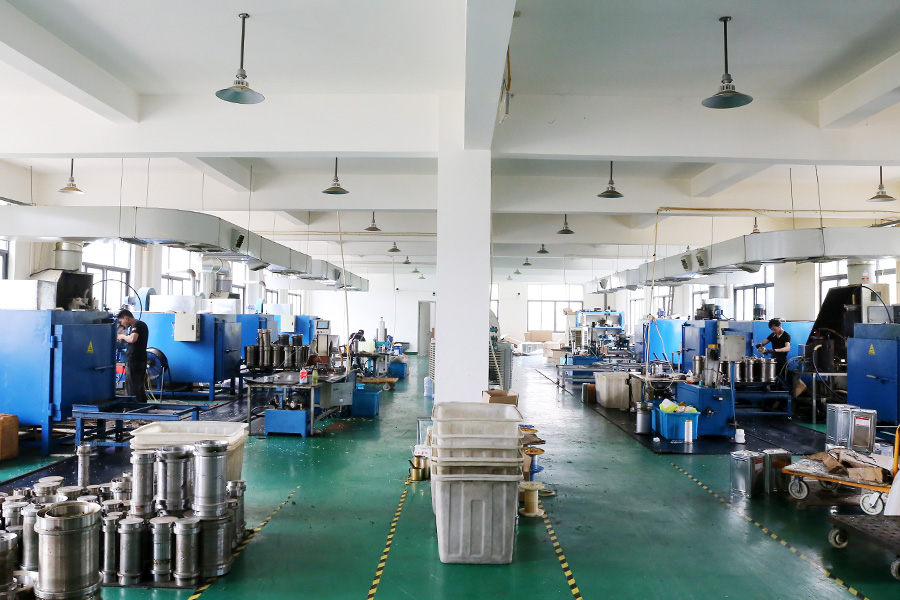
The main difference between an endless belt and a joined belt is the absence of a connection section. Traditional joined belts are created by connecting open-ended belt sections, while truly endless synchronous belts are manufactured as a continuous loop structure.
The continuous design can provide several mechanical advantages:
For equipment performing thousands of repeated cycles, eliminating a weak connection point may help maintain more predictable movement behavior.
Position accuracy is highly sensitive to mechanical variations. A joined area may have slightly different thickness, stiffness, or tensile characteristics compared with the rest of the belt body.
During continuous operation, this difference may create:
A Closed-Loop Synchronous Belt removes this transition area, allowing each section of the belt to maintain similar mechanical properties throughout operation.
Belt elongation directly influences synchronization. Even small changes in belt length may affect the relationship between motor movement and driven components.
Many industrial synchronous belts use steel cords or aramid reinforcement materials to control stretch. A continuous endless structure combined with proper reinforcement helps maintain dimensional stability during repeated loading cycles.
Factors influencing belt elongation include:
An endless design supports consistent transmission, but correct belt sizing remains necessary to achieve stable performance.
Different machines have different requirements. Endless synchronous belts are particularly useful in systems where movement repeatability and smooth operation are important.
These applications often require stable motion over long operating cycles, where small mechanical variations can influence final accuracy.
Continuous belt construction helps reduce vibration caused by inconsistent belt sections, supporting smoother product transportation.
Vibration in belt systems often comes from several sources rather than a single component. Belt joints, pulley misalignment, improper tension, and uneven loads may all contribute.
An endless belt can help reduce vibration related to belt connection areas, but other mechanical factors still require attention.
A stable transmission system depends on cooperation between every mechanical element.
Longer belt systems usually face greater challenges related to tension control and dimensional stability.
Extended center distances may increase:
A properly designed endless belt system can provide more uniform performance, especially in applications requiring long travel distances or continuous movement.
A suitable Closed-Loop Synchronous Belt should be evaluated based on more than its closed-loop structure.
Important specifications include:
Common polyurethane synchronous belts use steel or aramid tensile members to improve strength and control elongation. Different constructions are developed for power transmission, linear motion, and precision conveying applications.
Although endless construction provides structural advantages, it cannot solve every transmission issue.
Common causes of unstable movement include:
For example, a belt with incorrect pitch cannot achieve proper tooth engagement even with an endless design. Matching the belt and pulley system remains essential.
The two structures serve different purposes.
The right choice depends on machine design, installation conditions, and required accuracy.
An endless belt can improve motion stability by providing continuous construction, consistent pitch accuracy, and reduced variation from connection areas. A Closed-Loop Synchronous Belt is especially valuable in precision automation, synchronized conveying, and applications requiring repeatable movement.
However, stable operation comes from the complete transmission system. Proper pulley matching, correct tension, suitable reinforcement, and appropriate belt specifications are equally important. An endless structure provides a strong foundation for stable motion, while overall mechanical design determines the final performance.


Contact Us
information
Chengxi Industrial Zone, Sanmen County, Zhejiang Province, China
+86-576-83355666
+86-576-83351588
product
mobile


 English