

Heavy-load transmission systems often rely on toothed belts to deliver synchronized movement without the maintenance requirements of chain drives or the lubrication needs of gear systems. However, some users still encounter unexpected problems such as tooth shear, belt cracking, abnormal vibration, or sudden loss of synchronization even after choosing reinforced belt designs.
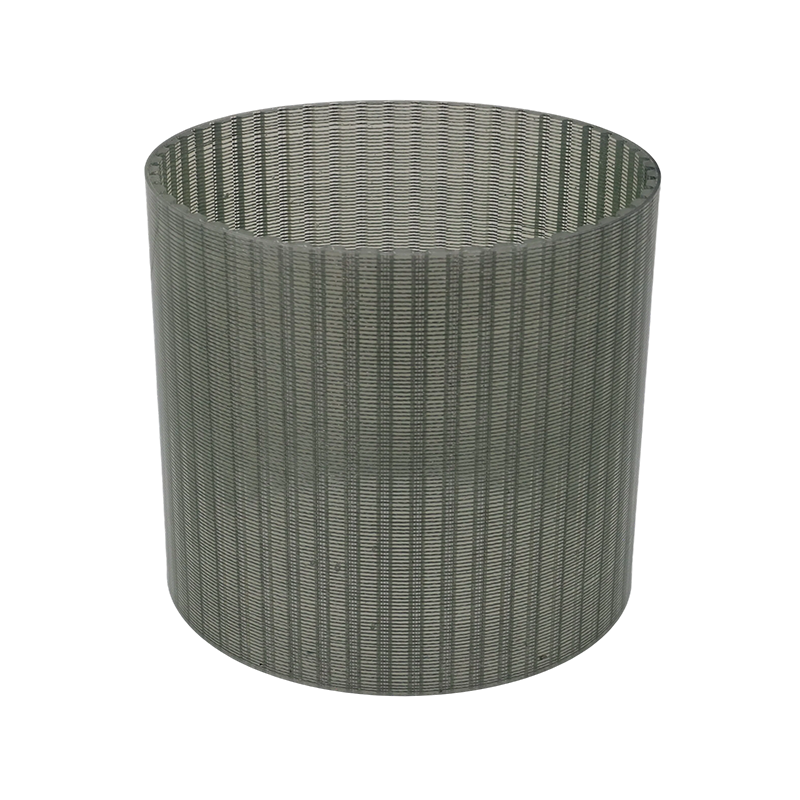
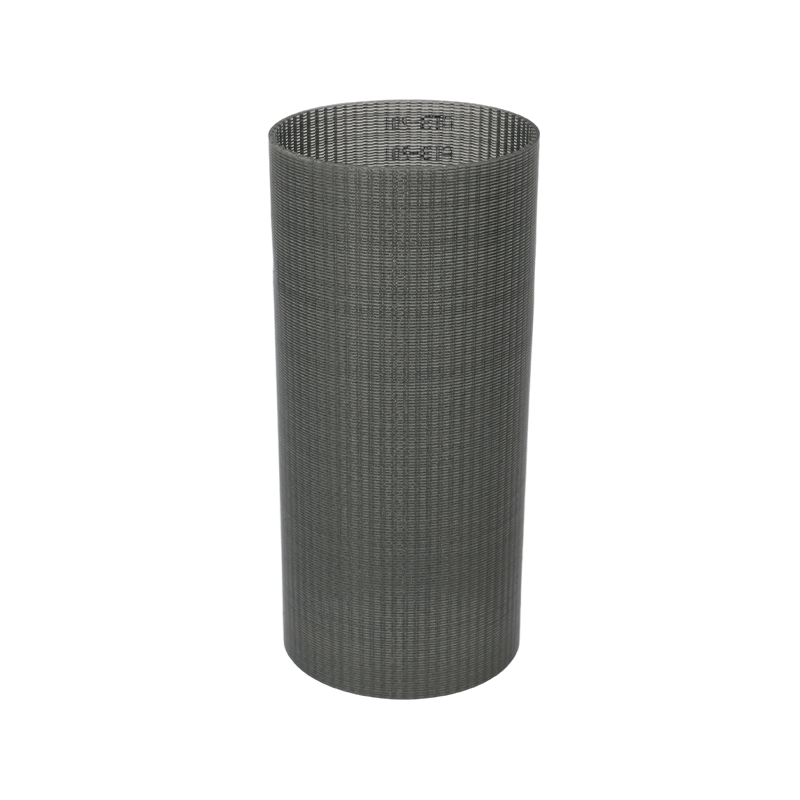
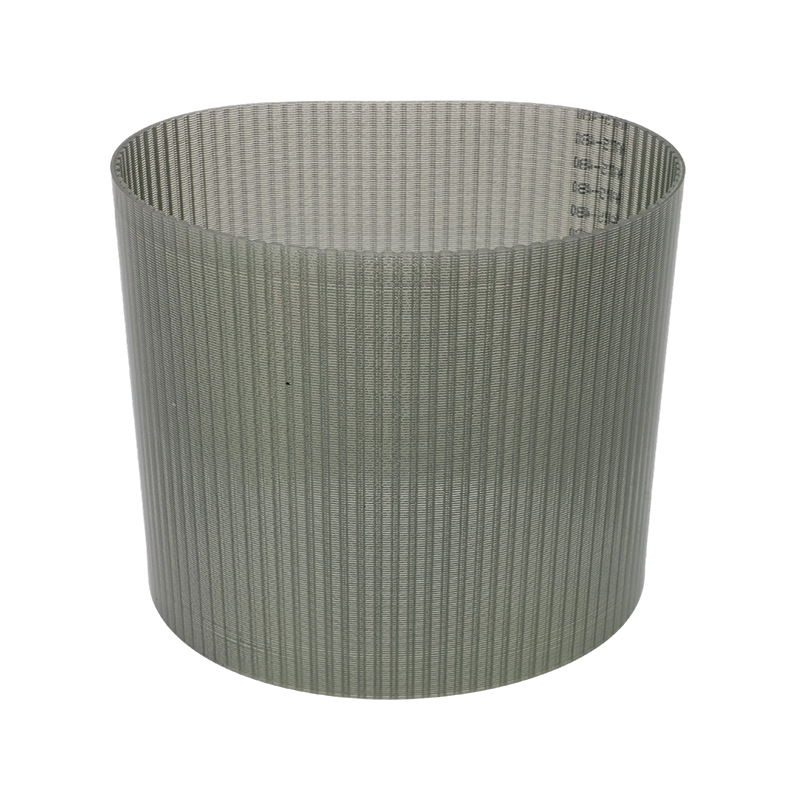
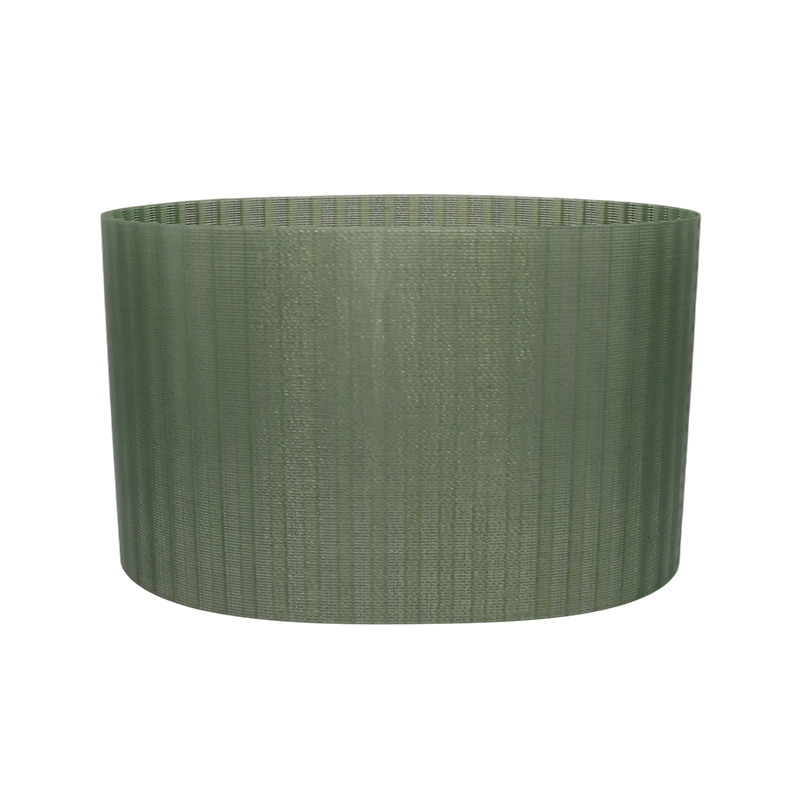
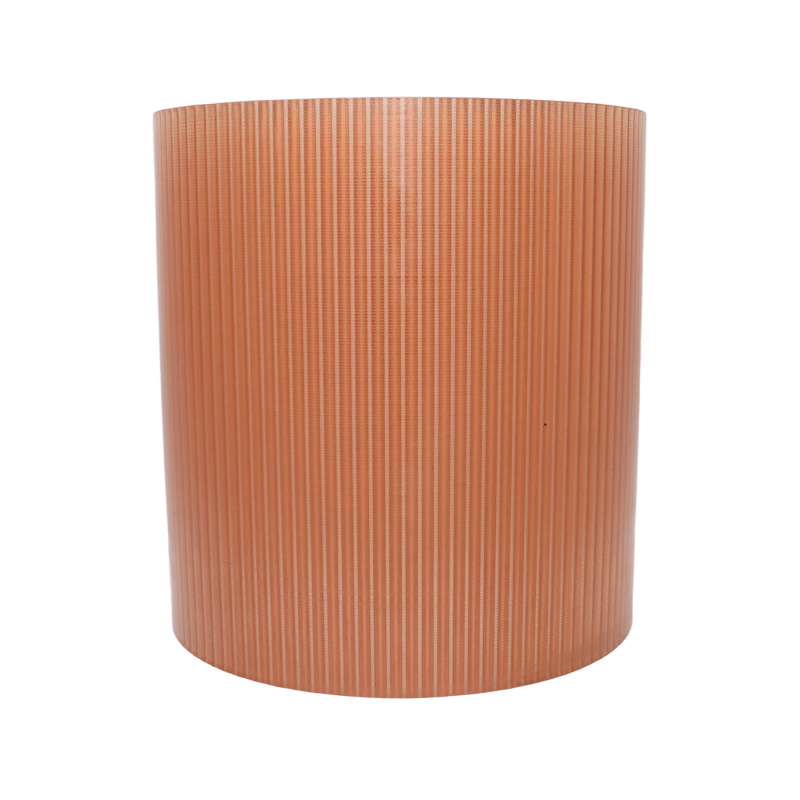
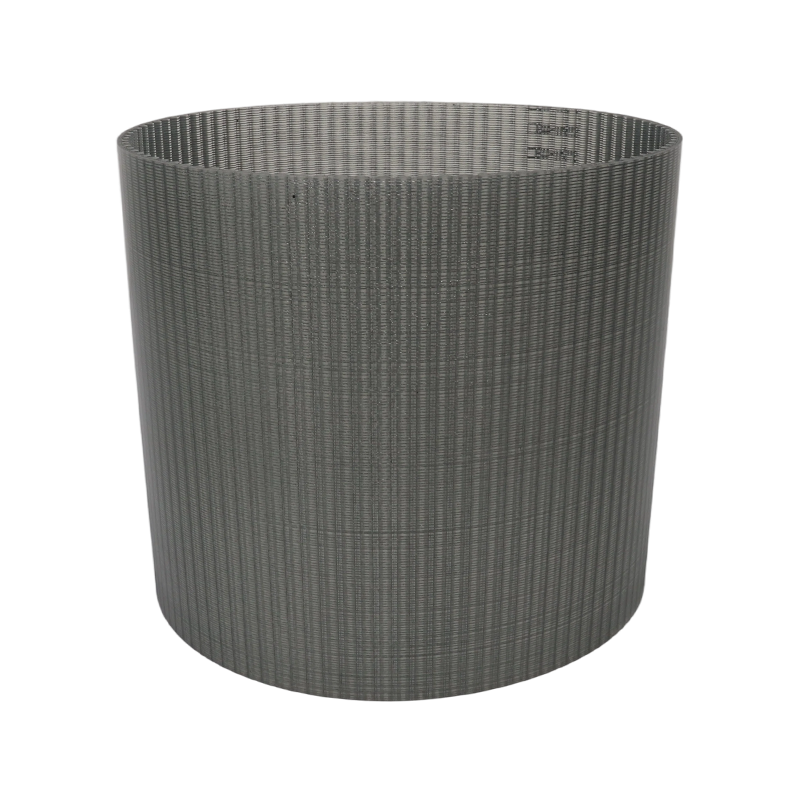
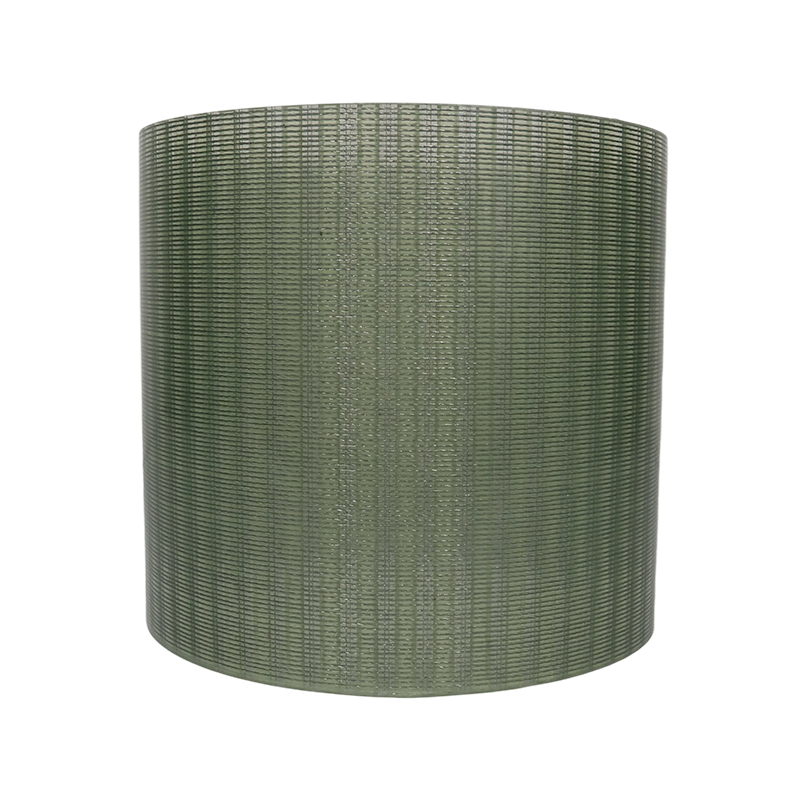
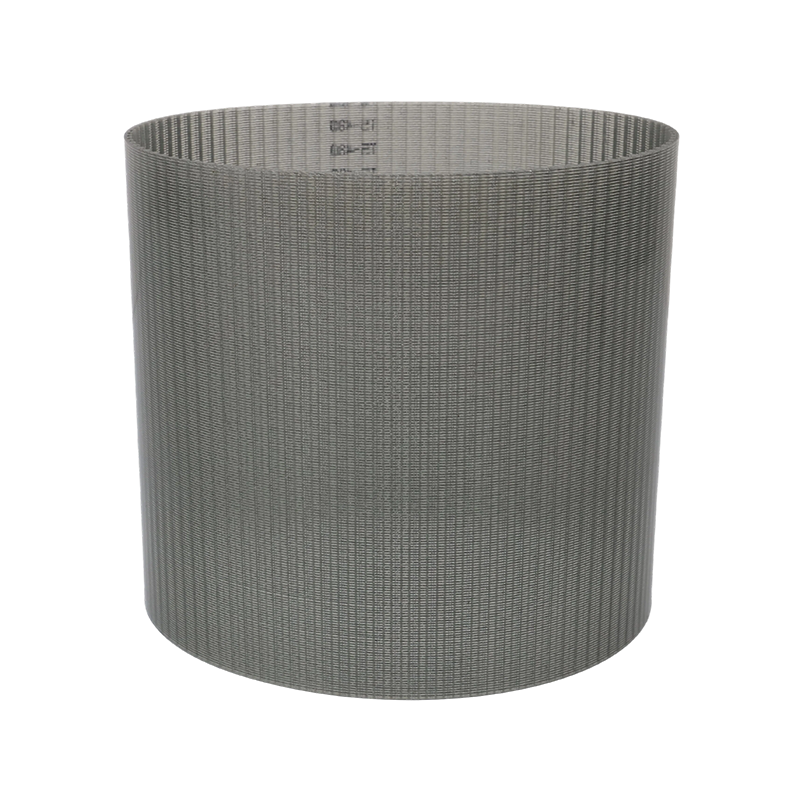
Heavy-Duty Toothed Belts are engineered for applications involving higher torque, greater tension loads, and demanding operating cycles. They are commonly used in industrial automation, material handling equipment, machine tools, packaging systems, and heavy-duty motion applications. Compared with standard synchronous belts, these belts usually feature stronger reinforcement layers, improved tooth structures, and higher load-bearing capability. However, a heavy-duty design does not mean the belt can withstand unlimited stress. The complete transmission system still determines actual performance.
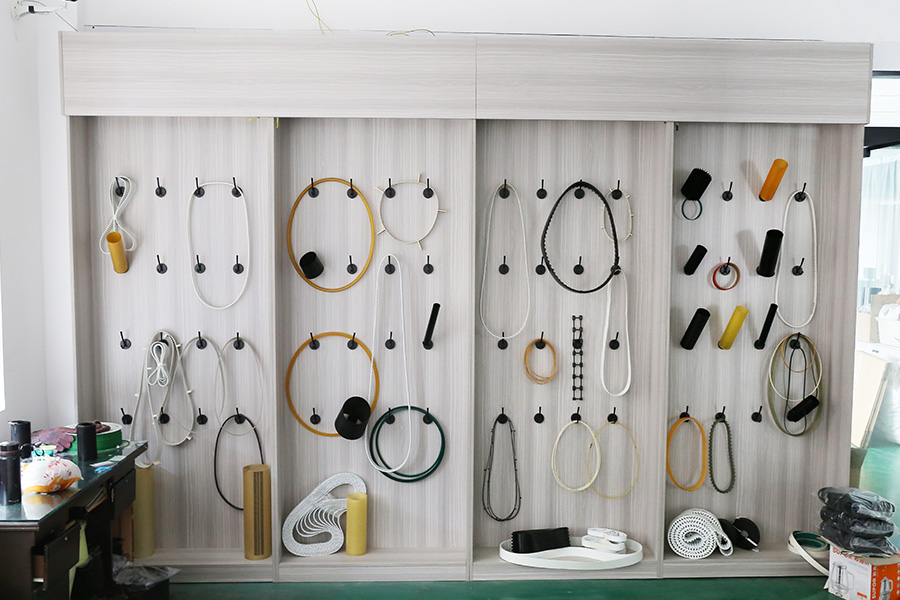
Many belt failures are initially considered a product quality issue, but the actual cause often comes from application conditions. A belt operating beyond its calculated capacity may experience repeated stress that gradually damages the tooth structure or internal reinforcement.
Common reasons behind unexpected failure include:
A belt designed for heavy loads still requires accurate system calculations. Load conditions, acceleration patterns, and operating cycles should all be considered during application design.
Tooth shear is one of the most serious failures in synchronous belt systems. It occurs when the force applied to the belt teeth exceeds their ability to transfer torque through the pulley.
Typical signs include:
Heavy-duty toothed belt applications with frequent acceleration, emergency stops, or changing loads are more sensitive to shock forces. Increasing belt width, improving pulley engagement, or adding a suitable service factor may help handle these conditions.
Belt width directly affects the amount of load that can be distributed across the tooth structure. A wider belt provides a larger contact area, allowing more teeth to share the transmitted force.
However, simply increasing width is not always the complete solution.
Engineers should also evaluate:
A properly balanced transmission design distributes stress more effectively than relying only on a wider belt.
The number of teeth contacting the pulley at the same time directly influences load distribution. A small number of engaged teeth means each tooth carries a larger percentage of the total force.
This condition may create:
Applications with high torque requirements often benefit from larger pulley diameters because they increase the number of teeth engaged during operation.
Belt tension is one of the most important factors affecting service performance. Both excessive and insufficient tension can create problems.
Maintaining suitable tension allows the belt to transmit power efficiently without creating unnecessary mechanical stress.
The internal reinforcement layer provides tensile strength and controls belt elongation. Different materials influence how a belt reacts under heavy-duty operating conditions.
The reinforcement choice should match the machine's torque requirements, movement speed, and operating environment.
A toothed belt and pulley operate as a matched system. Even a reinforced belt may experience early damage when paired with a worn or unsuitable pulley.
Potential pulley-related issues include:
Incorrect pulley conditions can create uneven pressure distribution and accelerate tooth damage.
Heavy machinery often experiences sudden changes in load. Examples include equipment jams, rapid acceleration, emergency braking, and repeated start-stop cycles.
Shock loads can create forces significantly higher than normal operating torque.
Common results include:
Applications with frequent impact loads may require additional design consideration, such as increased belt size, stronger reinforcement, or improved acceleration control.
Even strong belt materials can be affected by unsuitable operating environments.
Potential risks include:
Contamination may interfere with tooth engagement and increase abrasive wear. Protective covers and proper machine design can reduce these effects.
Before installing a heavy-duty synchronous belt, engineers should review several technical specifications:
Typical heavy-duty polyurethane or rubber toothed belts combine reinforced tensile members with specially designed tooth structures to support demanding applications. The correct specification depends on the complete machine system rather than belt strength alone.
Heavy-Duty Toothed Belts can provide reliable power transmission under demanding conditions, but their performance depends on more than reinforced construction. Unexpected failures usually come from a combination of excessive loads, improper tension, insufficient tooth engagement, pulley problems, or harsh operating environments.
A heavy-duty belt performs best as part of a correctly designed transmission system. Proper sizing, accurate installation, suitable pulley selection, and regular inspection help maintain stable operation even under challenging industrial workloads.


Contact Us
information
Chengxi Industrial Zone, Sanmen County, Zhejiang Province, China
+86-576-83355666
+86-576-83351588
product
mobile


 English