

Industrial motion systems are undergoing continuous changes as manufacturers demand more accurate, stable, and adaptable transmission components. Among various power transmission solutions, the PU Trapezoid Timing Belt has attracted increasing interest because of its combination of dimensional stability, wear resistance, and precise tooth engagement. Polyurethane timing belts with trapezoidal tooth structures are widely used in automation equipment, packaging machines, textile machinery, printing systems, and precision mechanical devices.
The growing attention toward PU trapezoid belt technology is connected with the evolution of modern machinery. Equipment designers are looking for transmission components that can maintain accurate movement while handling repeated cycles, changing loads, and demanding production environments. Compared with traditional friction-based belts, synchronous belt designs use toothed engagement between the belt and pulley, helping reduce slipping during operation.
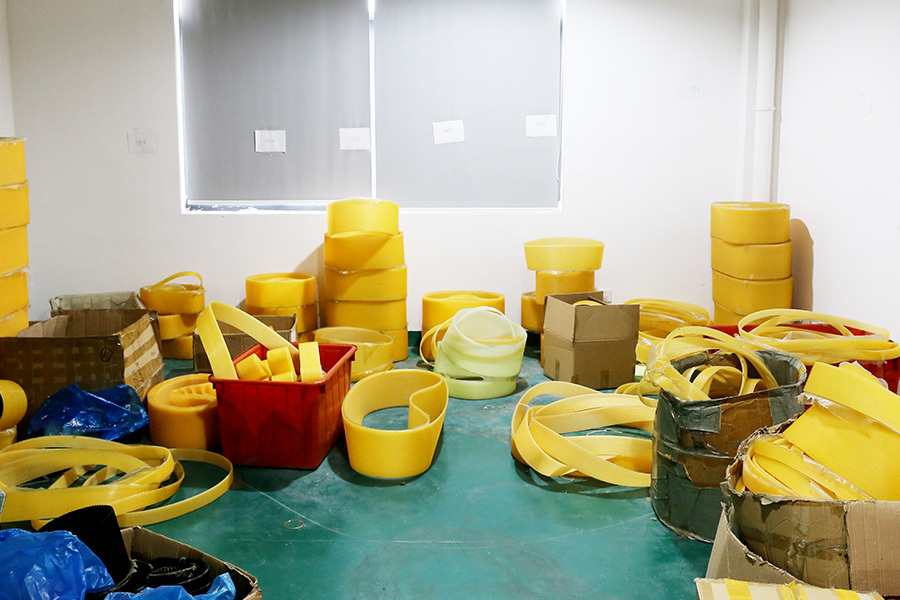
Modern industrial equipment is becoming smaller, faster, and more intelligent. Automated systems used in electronics manufacturing, medical devices, logistics equipment, and robotic applications often require controlled movement with stable positioning.
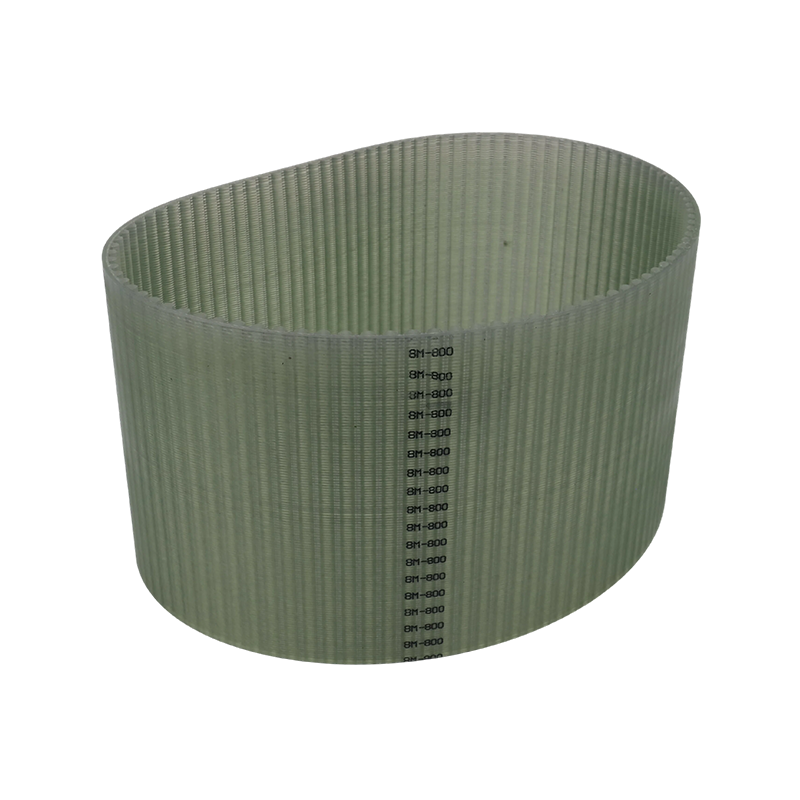
Traditional drive systems may experience speed variation caused by belt sliding or insufficient synchronization. PU Trapezoid Timing Belt designs solve this challenge through a molded tooth structure that matches precisely with corresponding pulleys. The trapezoidal tooth profile provides reliable engagement and is suitable for applications where accurate movement control is required.
The material structure of PU timing belts is one reason behind their increasing application range. Polyurethane combines flexibility with strong resistance against abrasion, allowing belts to operate under demanding industrial conditions.
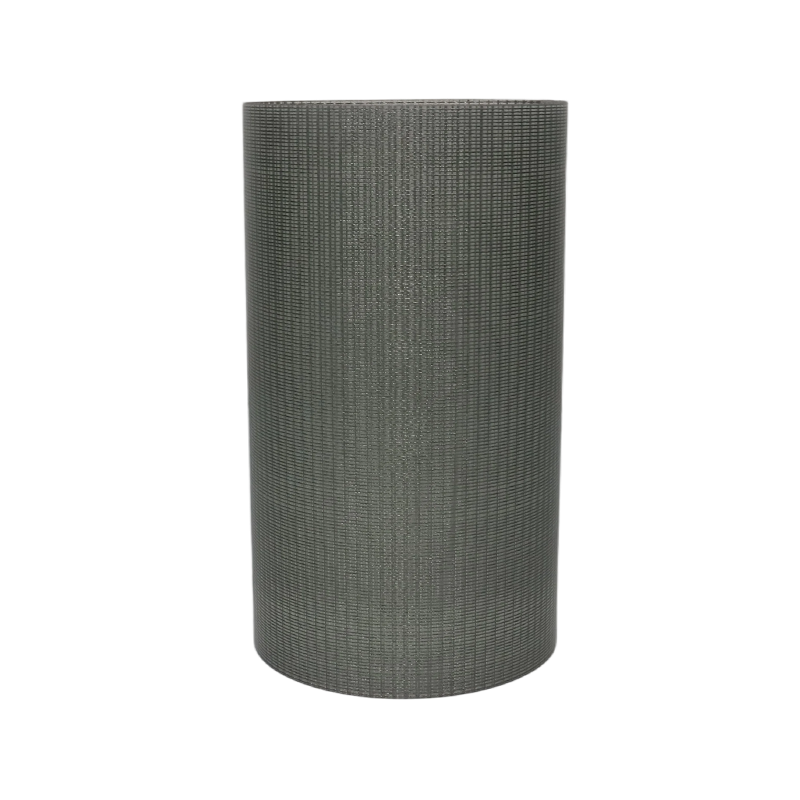
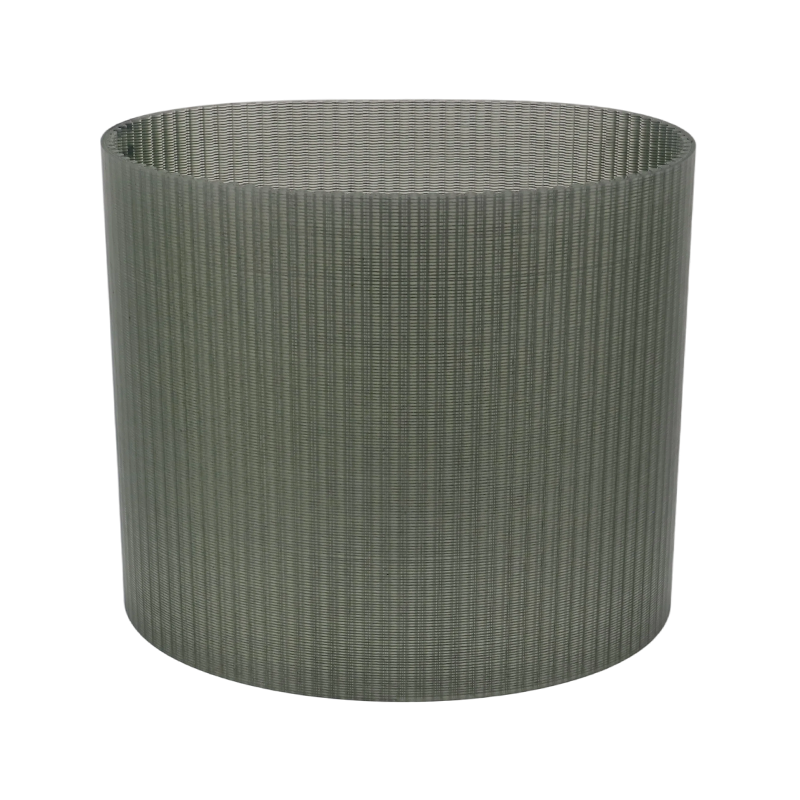
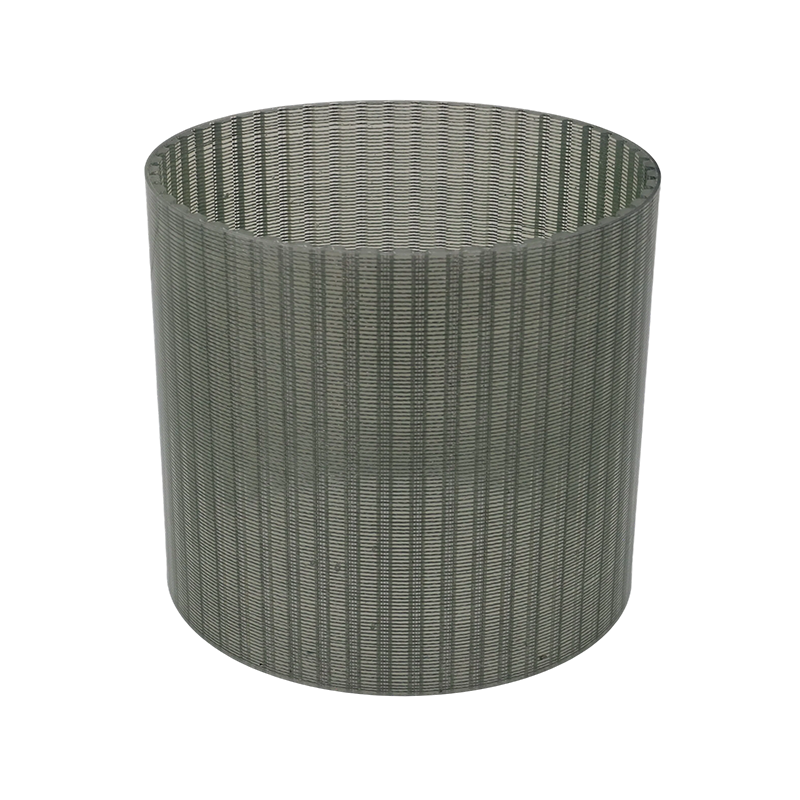
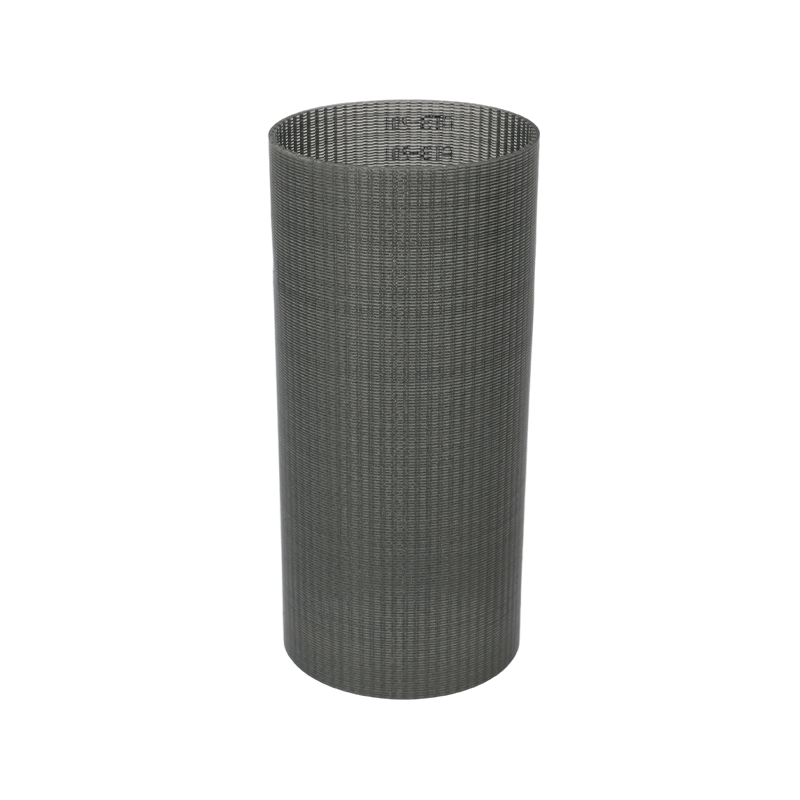
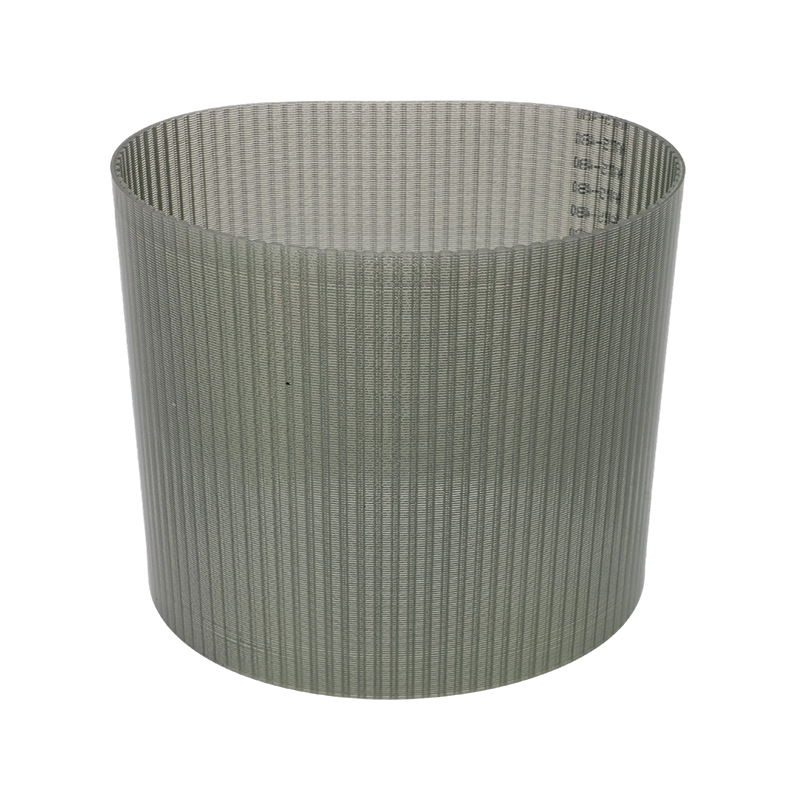
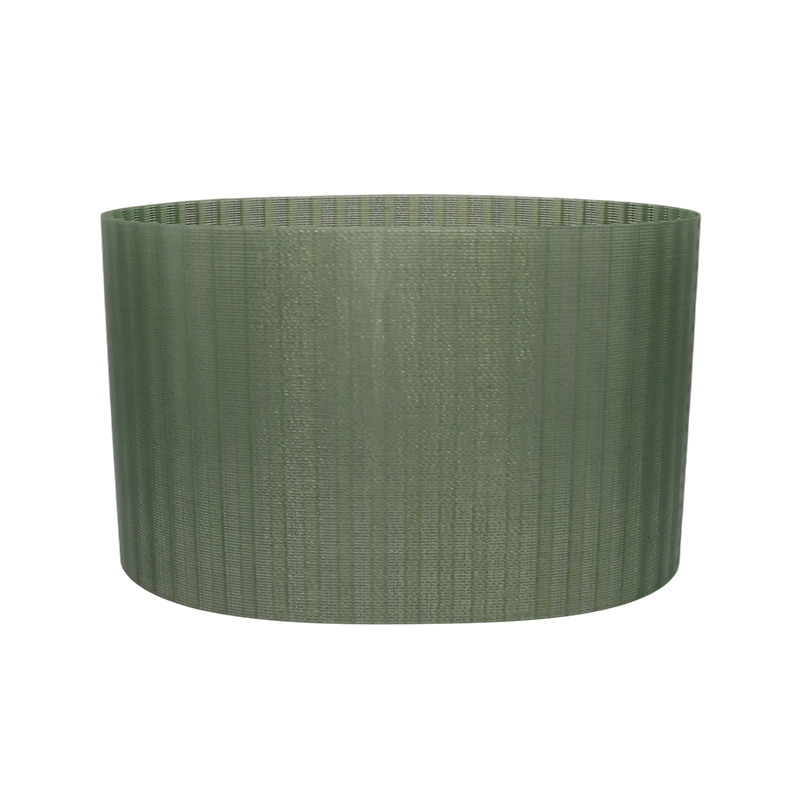
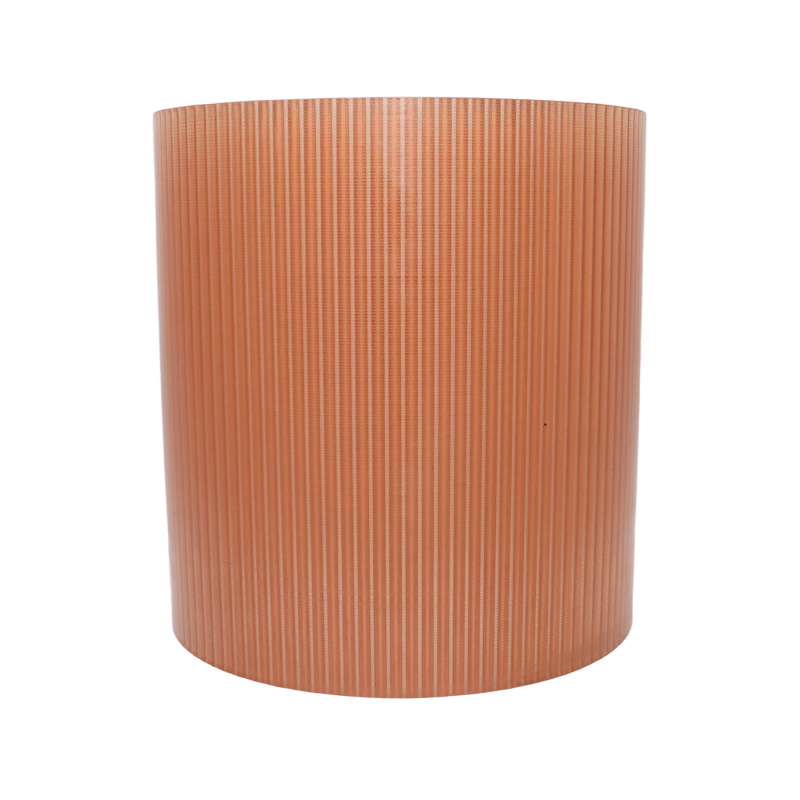
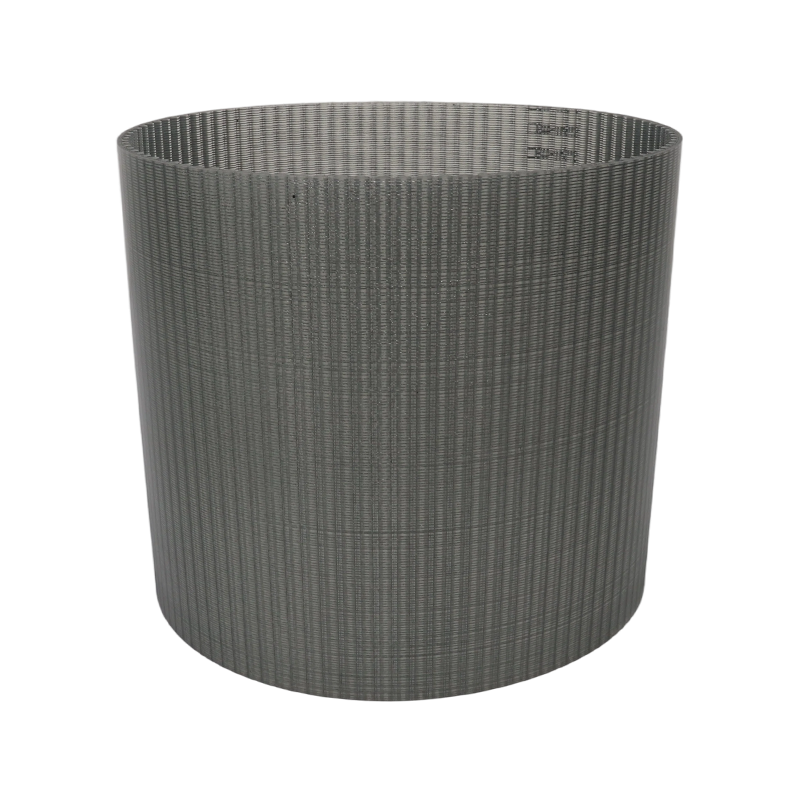
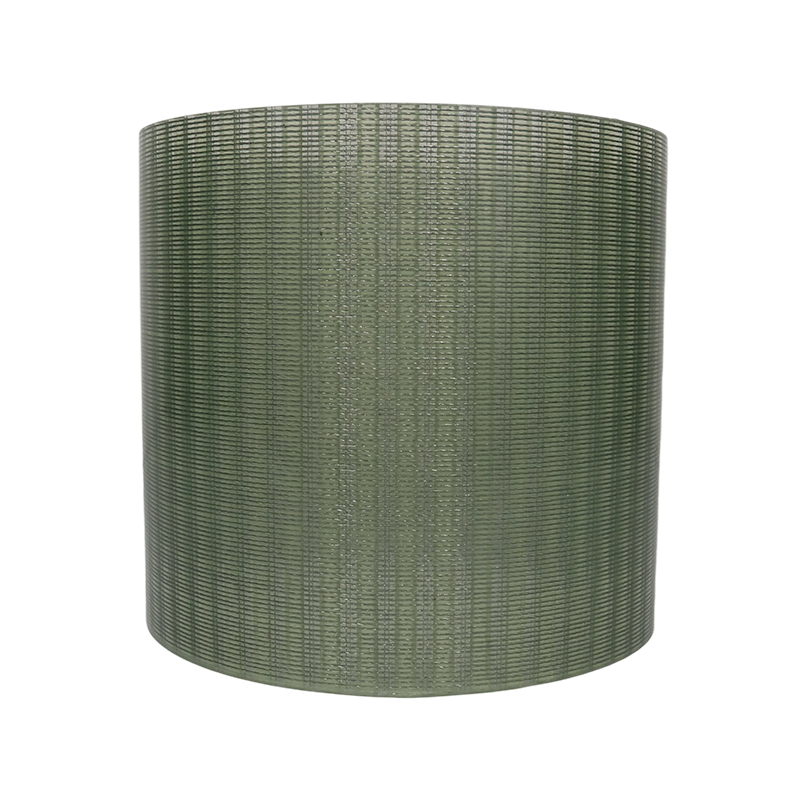
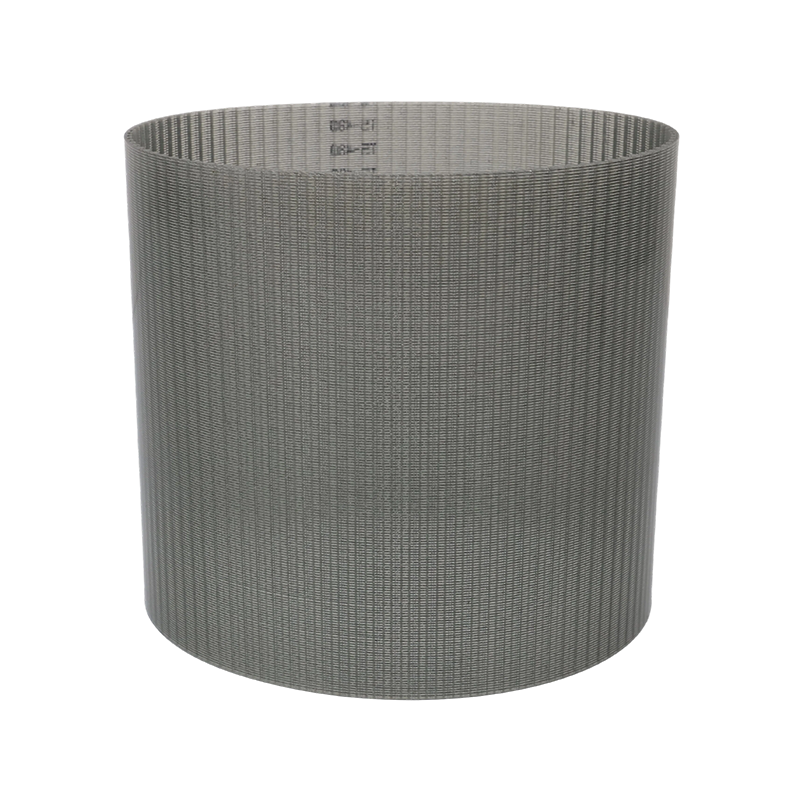
A typical PU Trapezoid Timing Belt consists of a polyurethane body and internal reinforcement cords. Steel cords are commonly used to improve tensile strength and dimensional stability, while aramid reinforcement can provide lightweight characteristics for specific applications. These structures help maintain belt length accuracy during repeated movement cycles.
Common technical specifications include T2.5, T5, T10, and T20 pitch sizes, with different widths available according to load requirements. Some industrial PU belts can operate within approximately -30°C to +80°C temperature ranges depending on material formulation and application conditions.
Tooth geometry plays an important role in belt performance. The trapezoidal profile has been widely adopted because it provides accurate positioning and compatibility with many industrial pulley systems.
The shape of each tooth determines how forces transfer between the belt and pulley. A suitable profile helps distribute contact pressure and maintain smooth engagement during operation. This makes trapezoidal belts suitable for equipment that requires repeatable movement without complex transmission structures.
The application range of PU trapezoid timing belts continues to grow as industries adopt automated production methods. Their characteristics make them suitable for different mechanical systems that require accurate motion transfer.
Selecting a suitable timing belt system requires consideration of several technical conditions. Engineers normally evaluate operating speed, torque requirements, pulley diameter, installation space, and environmental factors before designing a transmission solution.
A properly designed belt drive system depends on cooperation between belt structure and pulley geometry. Even small differences in tooth profile or pitch selection may influence operating stability and positioning performance.
The future development of timing belt technology is closely related to smart manufacturing and precision automation. As machines become more compact and intelligent, transmission components will need to provide higher accuracy with improved adaptability.
New material formulations, improved reinforcement technologies, and advanced manufacturing processes are expected to enhance belt performance further. Digital monitoring systems may also become more common, allowing operators to analyze operating conditions and improve equipment reliability.
The rising demand for precise mechanical movement shows that PU Trapezoid Timing Belt solutions are becoming an important part of modern industrial design. Their combination of polyurethane durability, accurate synchronization, and flexible application options allows them to support a wide variety of motion systems. As industrial equipment continues to evolve, these belts will remain a key component in building reliable and precise transmission systems.


Contact Us
information
Chengxi Industrial Zone, Sanmen County, Zhejiang Province, China
+86-576-83355666
+86-576-83351588
product
mobile


 English