

Modern manufacturing equipment is moving toward higher accuracy, faster response, and more compact mechanical structures. These changes are creating new expectations for power transmission components, especially timing belts used in automation systems, CNC equipment, packaging machinery, and robotic platforms. Industrial synchronous belts are widely applied because their toothed structure allows precise engagement with pulleys and helps maintain accurate motion synchronization.
The development of smarter motion systems is changing how engineers evaluate belt solutions. Instead of focusing only on load transmission, equipment designers now consider positioning accuracy, material performance, noise levels, operating environment, and long-term stability. This trend is encouraging Industrial Timing Belt Manufacturers to develop products with improved tooth profiles, stronger tension members, and customized specifications for different applications.
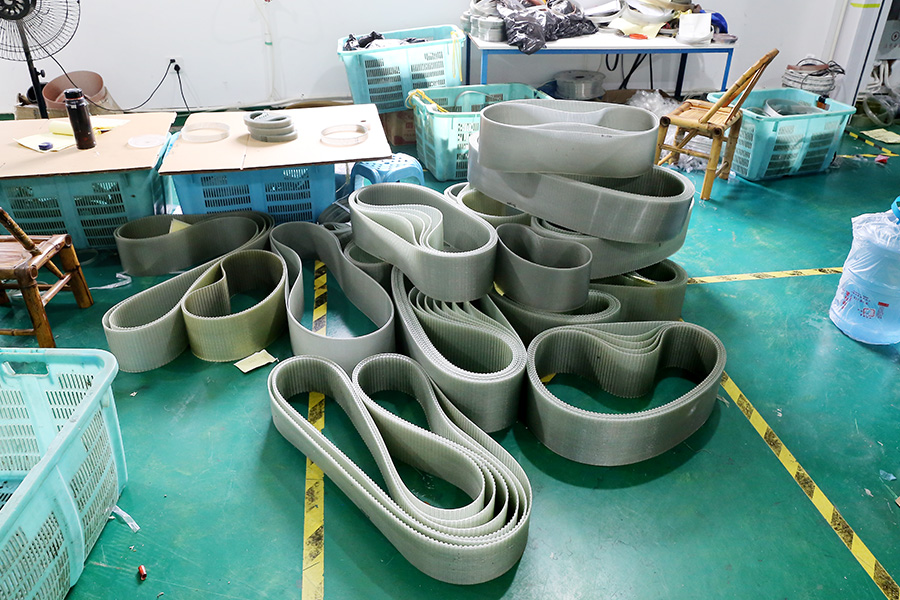
Industrial automation has introduced more complex movement patterns. Machines used in electronics assembly, medical equipment, printing, and logistics often require repeated positioning with very small deviations. Traditional transmission systems may struggle with backlash or inconsistent movement, while synchronous belt systems provide positive engagement between teeth and pulleys to maintain controlled motion.
Modern timing belts are commonly designed with reinforced structures such as steel cords, fiberglass cords, or aramid tension members. These materials help belts maintain dimensional stability under continuous operation. Some industrial belts can achieve pitch accuracy within tight tolerances and operate at speeds exceeding several thousand revolutions per minute depending on belt size, pulley design, and application requirements.
Material technology has become an important factor in the evolution of industrial belt systems. Polyurethane and rubber compounds are widely used because they provide different performance advantages for various working environments.
Polyurethane timing belts are often selected for applications requiring clean operation, dimensional accuracy, and resistance against oils or chemicals. Rubber timing belts remain popular in applications where flexibility and shock absorption are important. The combination of advanced materials and optimized tooth geometry allows manufacturers to create belts suitable for industries ranging from food processing to semiconductor equipment.
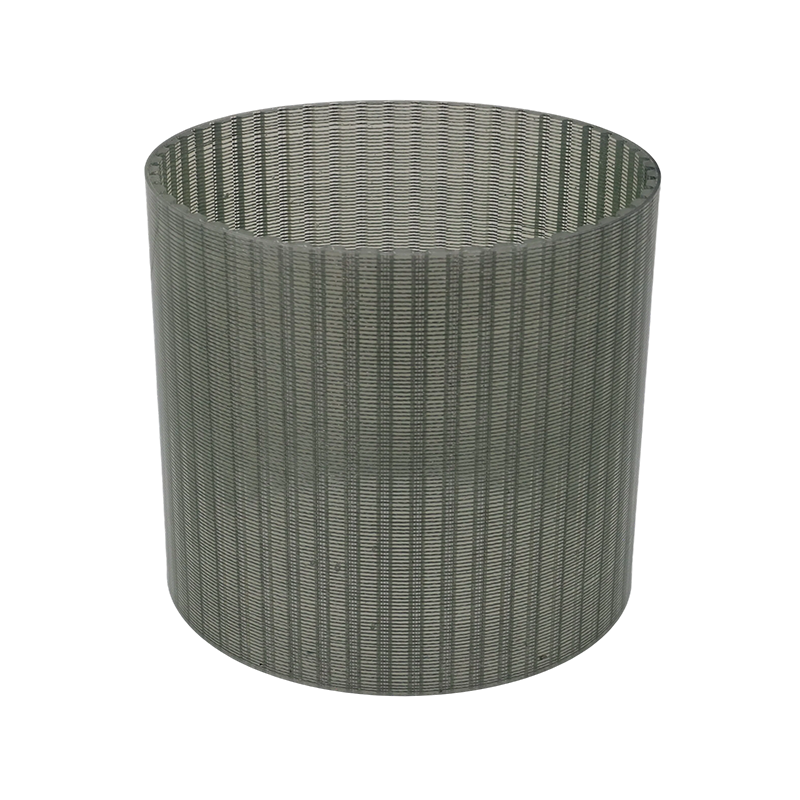
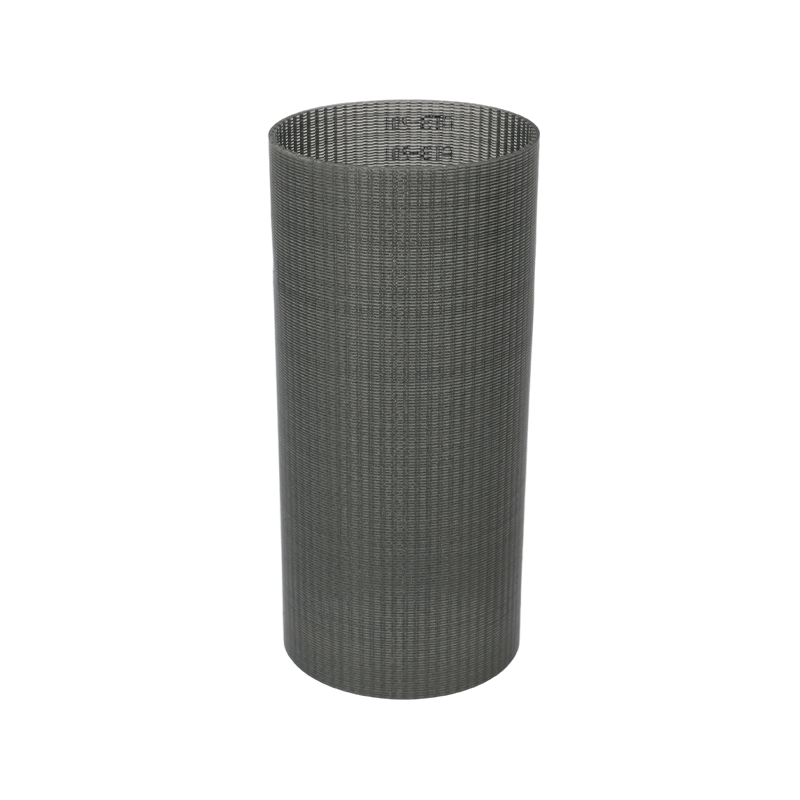
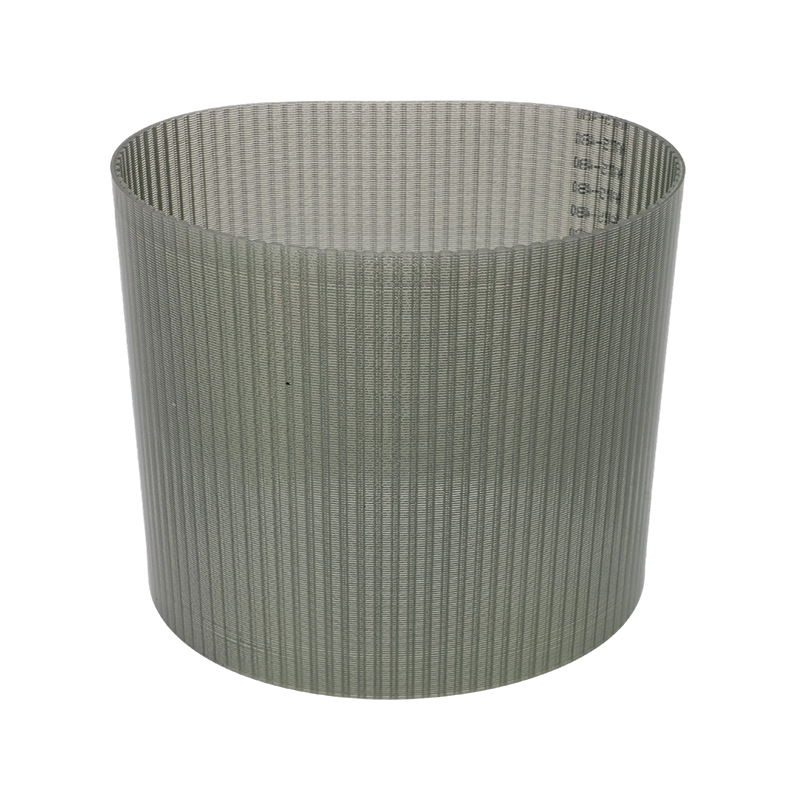
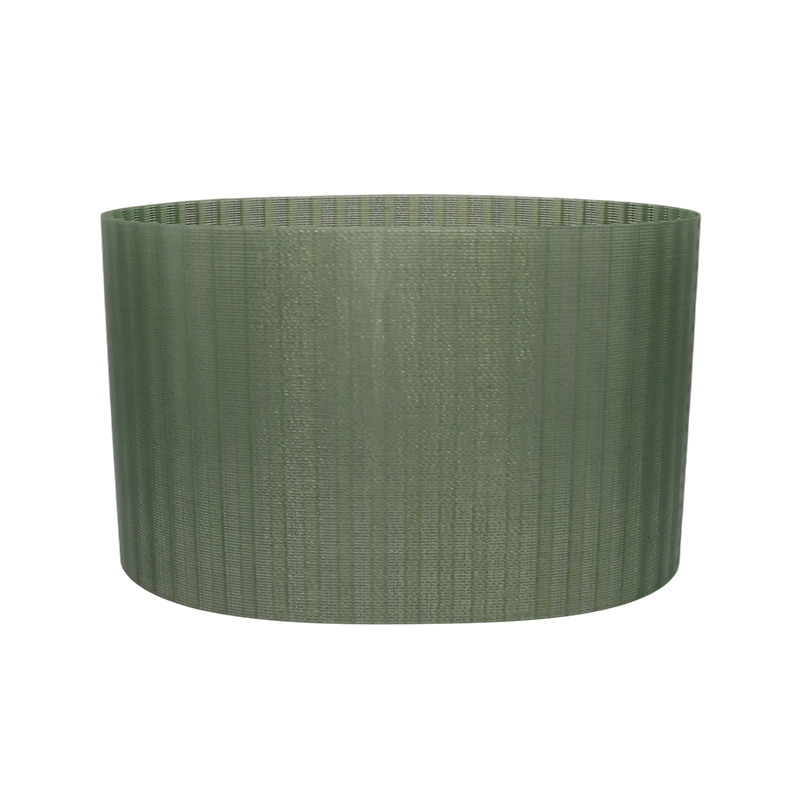
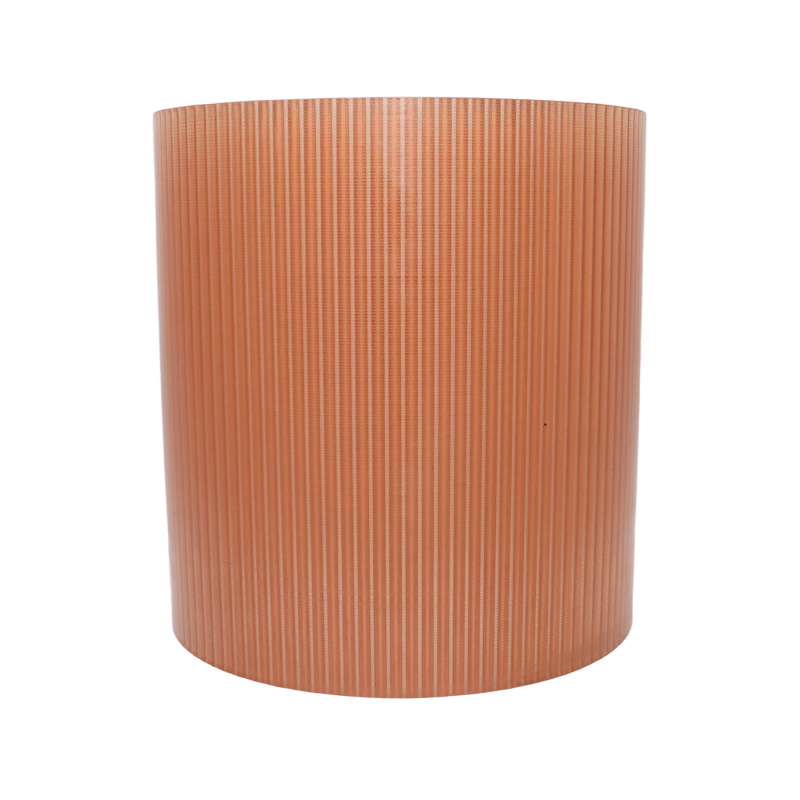
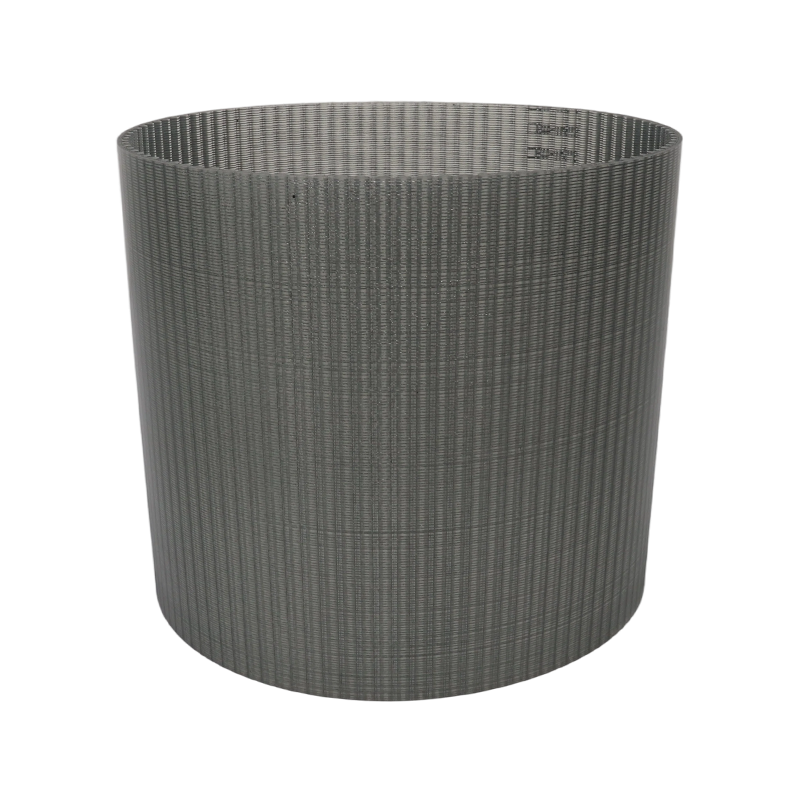
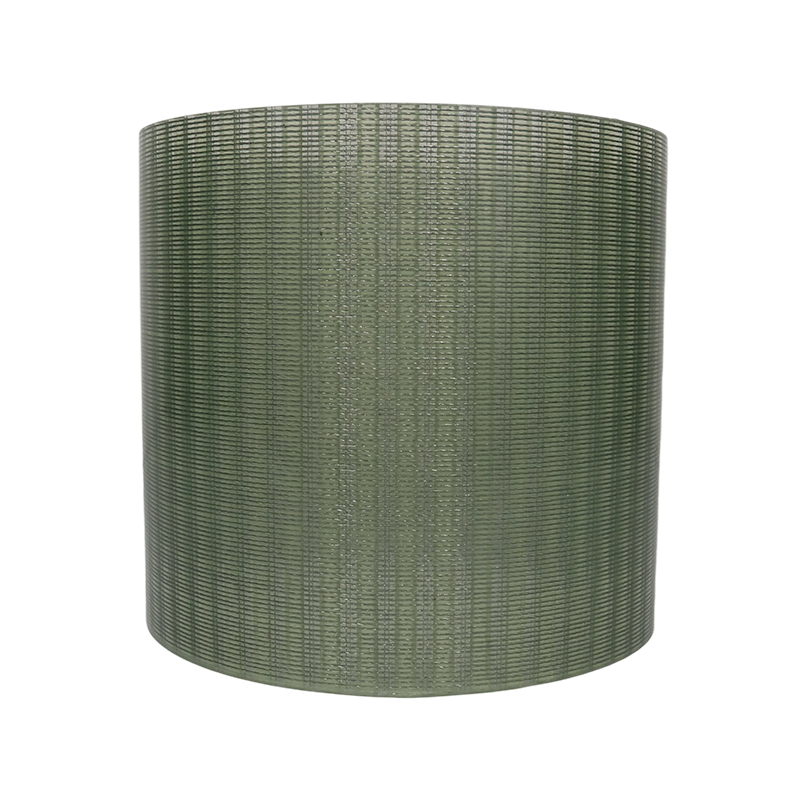
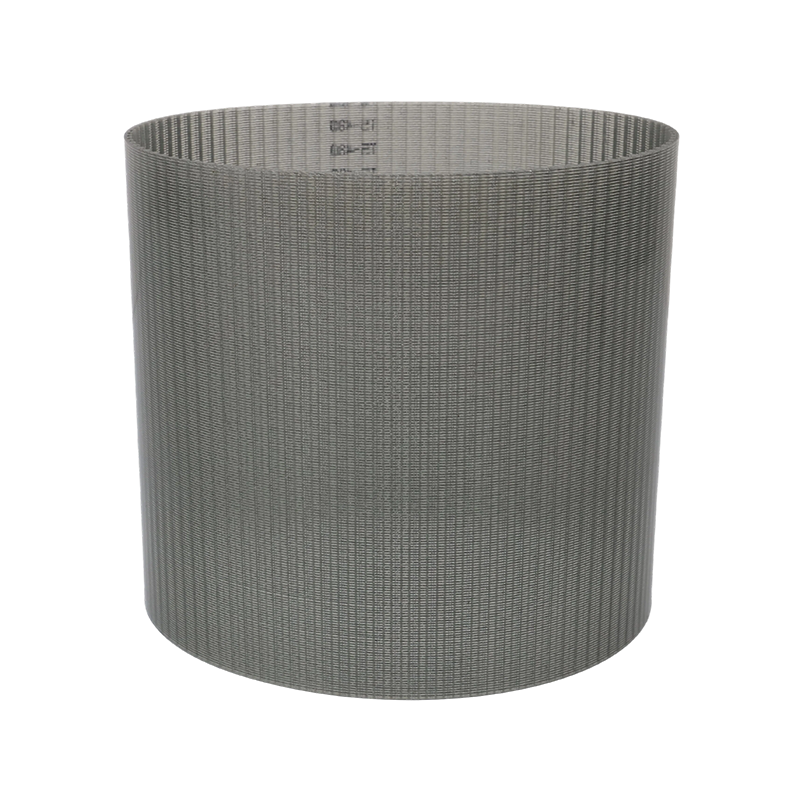
A typical industrial polyurethane timing belt may include a wear-resistant polyurethane body and high-strength steel wire reinforcement. Depending on the series, common pitch options include T5, T10, AT5, AT10, and HTD profiles. These designs provide different torque capacities and positioning characteristics according to machinery requirements.
The tooth shape of a timing belt directly affects how smoothly power is transferred between the belt and pulley. New equipment designs increasingly require optimized tooth profiles to handle higher torque, faster acceleration, and frequent start-stop cycles.
Circular arc and modified tooth structures are gaining attention because they improve contact conditions between the belt and pulley. Better tooth engagement helps reduce stress concentration and supports stable operation during repeated motion cycles.
Equipment manufacturers are increasingly requesting customized timing belt solutions rather than standard products only. Different machines may require special belt widths, reinforced materials, coatings, or custom tooth configurations.
For example, a packaging machine may require a belt that combines accurate indexing with resistance to cleaning chemicals. A CNC machine may require low elongation characteristics to maintain machining precision. A robotic system may need a lightweight belt structure to achieve faster acceleration and reduced inertia.
Industrial Timing Belt Manufacturers are responding to these demands through advanced production methods, including precision molding technology, automated inspection systems, and customized engineering support. These improvements allow belts to match the operating conditions of modern equipment more closely.
The increasing complexity of industrial machines means engineers evaluate multiple technical parameters before integrating a timing belt system. Important factors include:
For demanding applications, engineers may combine timing belt systems with precision pulleys, tension monitoring devices, and advanced control systems to create complete motion solutions.
The next stage of timing belt development will focus on smarter integration with automated equipment. Sensors, digital monitoring systems, and predictive analysis technologies may provide more information about belt conditions during operation.
Lightweight materials and improved reinforcement structures are also expected to support new machine designs that require higher speed and greater accuracy. As factories continue adopting robotics and intelligent production systems, timing belts will remain an important component for reliable mechanical movement.
The role of timing belts is expanding beyond simple power transmission. They are becoming precision components that influence machine performance, product quality, and production consistency. With continuous advances in materials, design methods, and manufacturing processes, industrial timing belts are adapting to the changing requirements of smarter motion systems.


Contact Us
information
Chengxi Industrial Zone, Sanmen County, Zhejiang Province, China
+86-576-83355666
+86-576-83351588
product
mobile


 English