

Modern industrial equipment is entering a new stage where accuracy, smooth operation, and compact mechanical structures have become important design goals. From automated assembly lines to robotic systems, motion transmission components must provide stable performance under repeated cycles and changing loads. Among different synchronous belt designs, the Circular Arc Timing Belt is gaining attention because its curved tooth profile improves the interaction between belt and pulley, supporting smoother power transfer and more reliable positioning.
The increasing demand for precision movement is changing the development direction of timing belt technology. Machinery designers are no longer focused only on transferring rotational force. They are also considering vibration control, noise reduction, load distribution, and positioning consistency. Circular arc tooth structures are becoming an important solution for applications that require stable operation under higher torque and frequent acceleration.
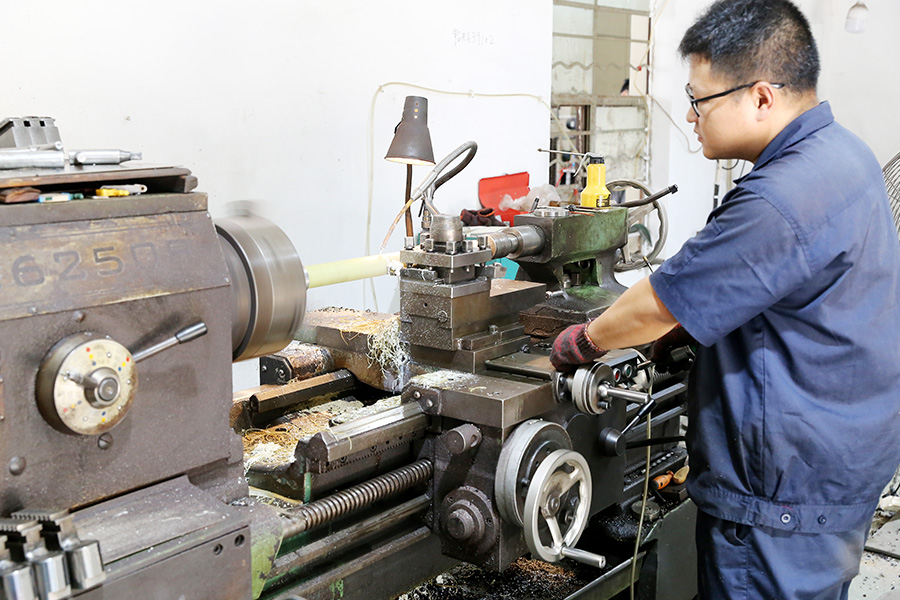
The tooth profile is a key factor that determines how a timing belt works with its pulley. Compared with traditional trapezoidal tooth designs, circular arc profiles create a different contact relationship between the belt tooth and pulley groove. The curved surface helps distribute mechanical stress over a wider contact area, allowing the belt system to handle dynamic loads more smoothly.
A Circular Arc Timing Belt usually features rounded tooth shapes similar to HTD or other curvilinear profiles. These designs are developed to improve engagement conditions and reduce sudden impact during meshing. This characteristic makes them suitable for machines that require stable speed control and accurate movement coordination.
The expansion of automation technology has created new challenges for mechanical transmission systems. Semiconductor equipment, CNC machines, packaging lines, and robotic platforms often require repeated movements with minimal positioning errors.
Circular arc timing belt systems are suitable for these applications because their tooth geometry supports precise engagement even under changing operating conditions. In automated production environments, small movement deviations can affect product quality, so stable transmission components have become increasingly important.
Typical industrial applications include:
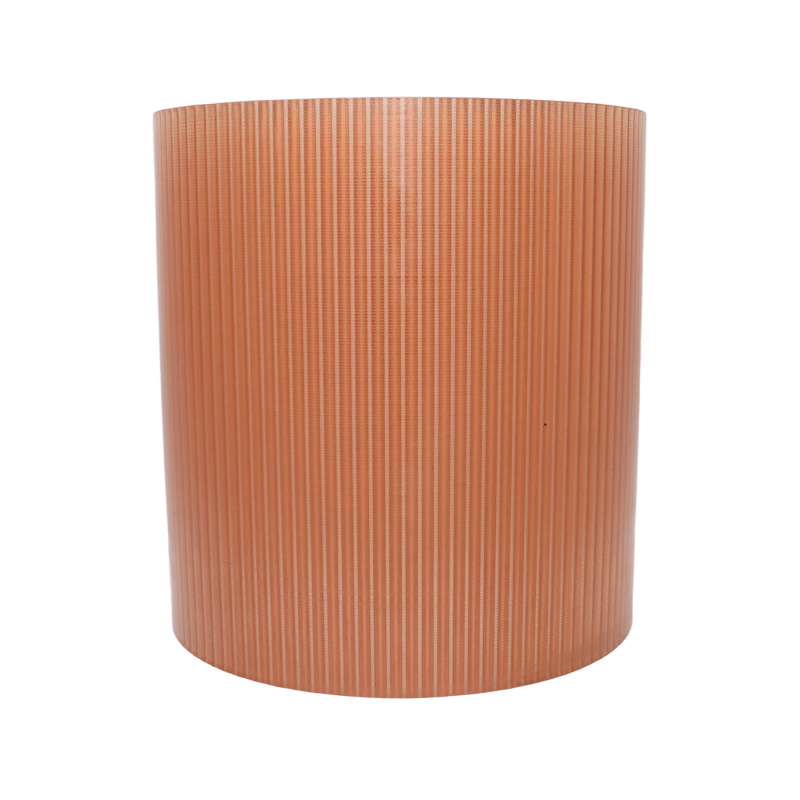
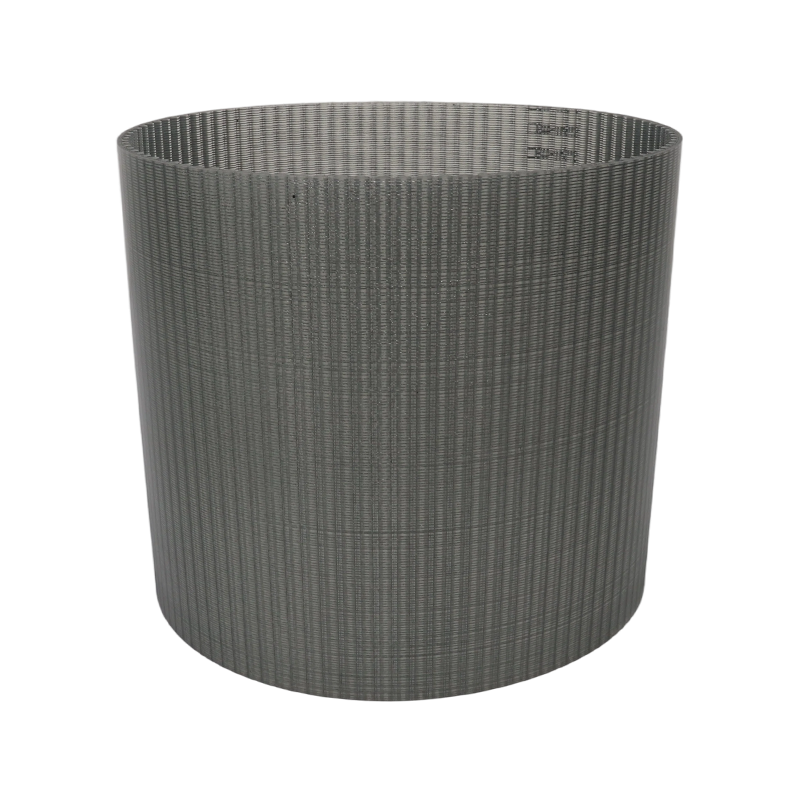
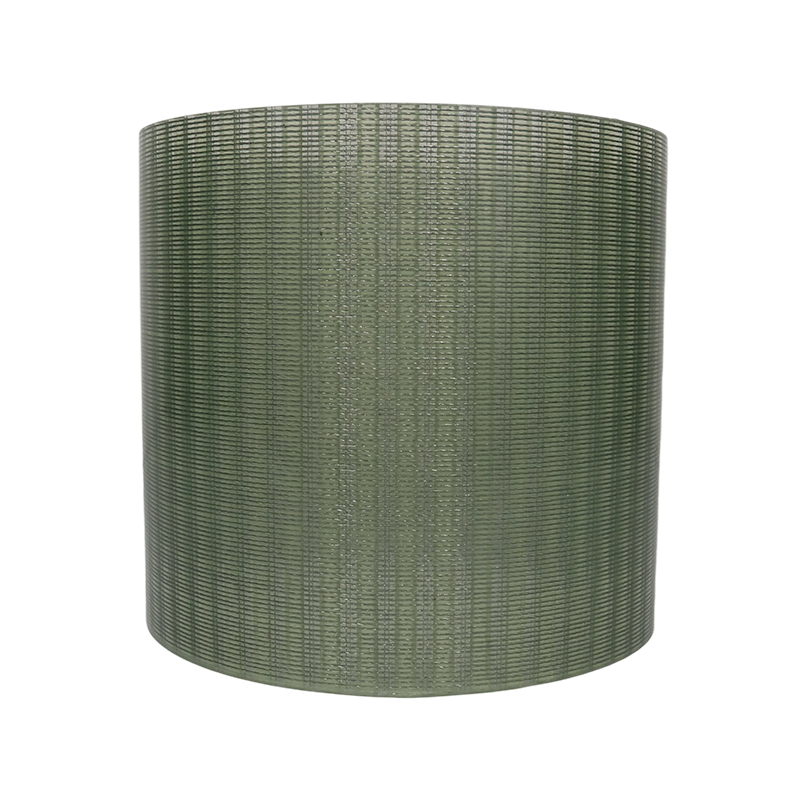
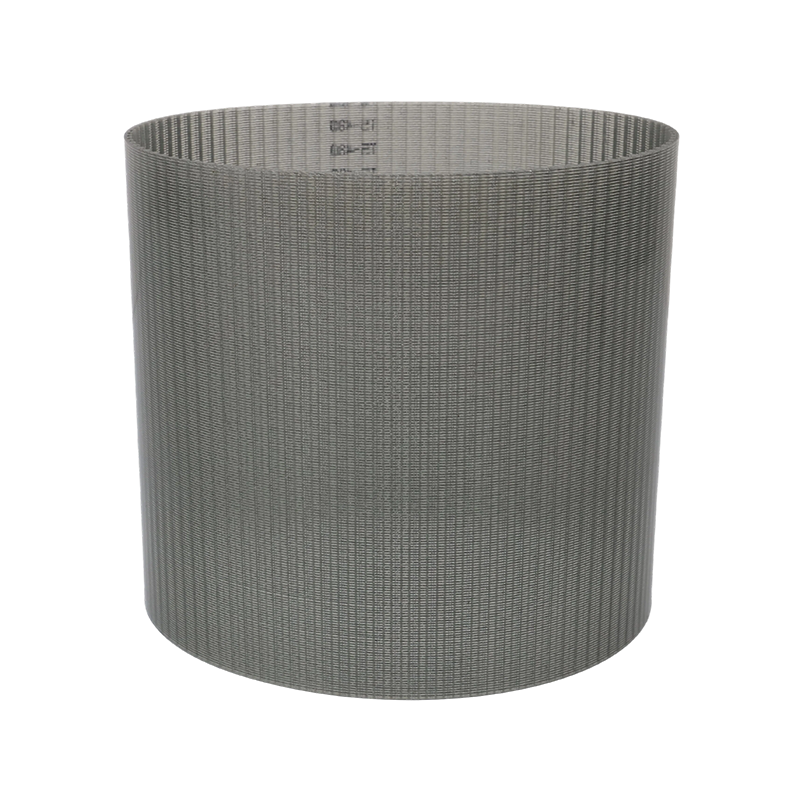
The performance of a circular arc timing belt depends not only on tooth design but also on material construction. Modern belts commonly combine polyurethane or rubber bodies with reinforced tensile members to achieve balanced mechanical properties.
Polyurethane versions are widely used in industrial automation because they offer resistance against abrasion, oil exposure, and dimensional changes. Reinforcement options such as steel cords and aramid fibers provide different characteristics according to application requirements.
Common pitch specifications for curvilinear timing belts include 3M, 5M, 8M, 14M, and 20M. Different pitch sizes allow engineers to match belt performance with machine torque, speed, and installation requirements.
As industrial equipment operates at higher speeds, vibration and operating noise become important factors affecting machine stability. Tooth impact during belt and pulley engagement may create unwanted movement, especially in precision systems.
The curved tooth design of Circular Arc Timing Belt products helps create smoother contact between components. This structure reduces sudden force changes during engagement and supports quieter operation compared with some traditional tooth profiles.
For equipment such as automated inspection machines and high-speed production systems, reduced vibration can improve sensor accuracy and maintain consistent operation over long working periods.
Choosing a suitable timing belt system requires analysis of multiple technical conditions. Engineers normally evaluate machine structure, operating environment, and transmission requirements before determining the appropriate belt specification.
A complete transmission solution requires coordination between belt design, pulley geometry, tension control, and machine structure. Even a high-quality belt may not perform properly without correct system matching.
The development of smart manufacturing is creating additional opportunities for advanced synchronous belt technologies. Future motion systems will require components that combine precision, durability, and adaptability.
New manufacturing processes may further improve tooth accuracy, surface treatment methods, and reinforcement technologies. Customized belt designs could also become more common as industries develop specialized machines with unique movement requirements.
Circular Arc Timing Belt technology represents an important direction in modern motion transmission. Through optimized tooth geometry, advanced materials, and improved manufacturing methods, these belts are helping industrial equipment achieve smoother and more accurate movement. As automation continues expanding across different industries, precision-oriented belt solutions will remain an essential part of mechanical system design.


Contact Us
information
Chengxi Industrial Zone, Sanmen County, Zhejiang Province, China
+86-576-83355666
+86-576-83351588
product
mobile


 English