

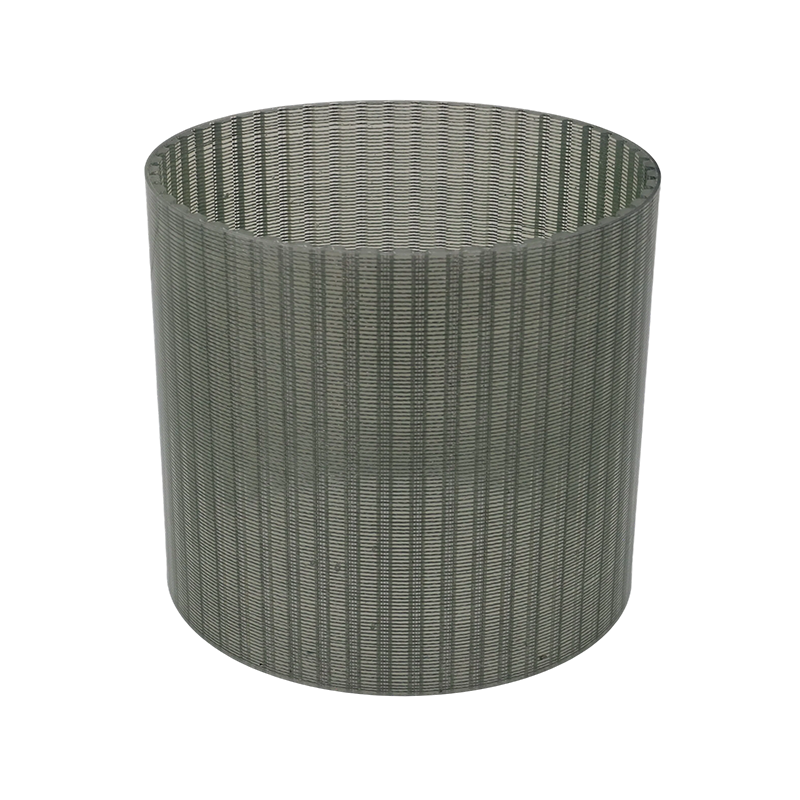
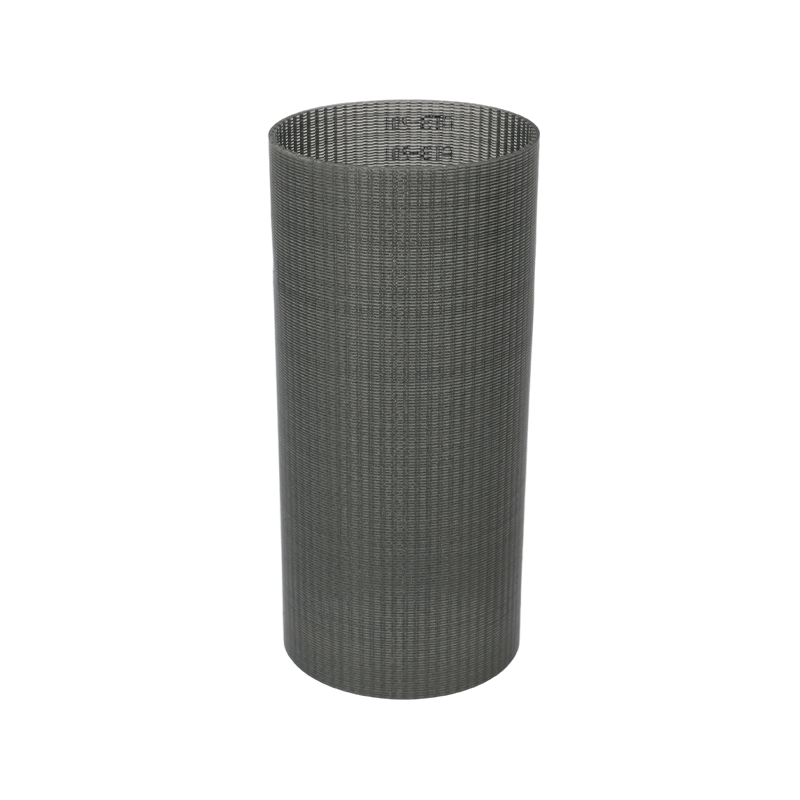
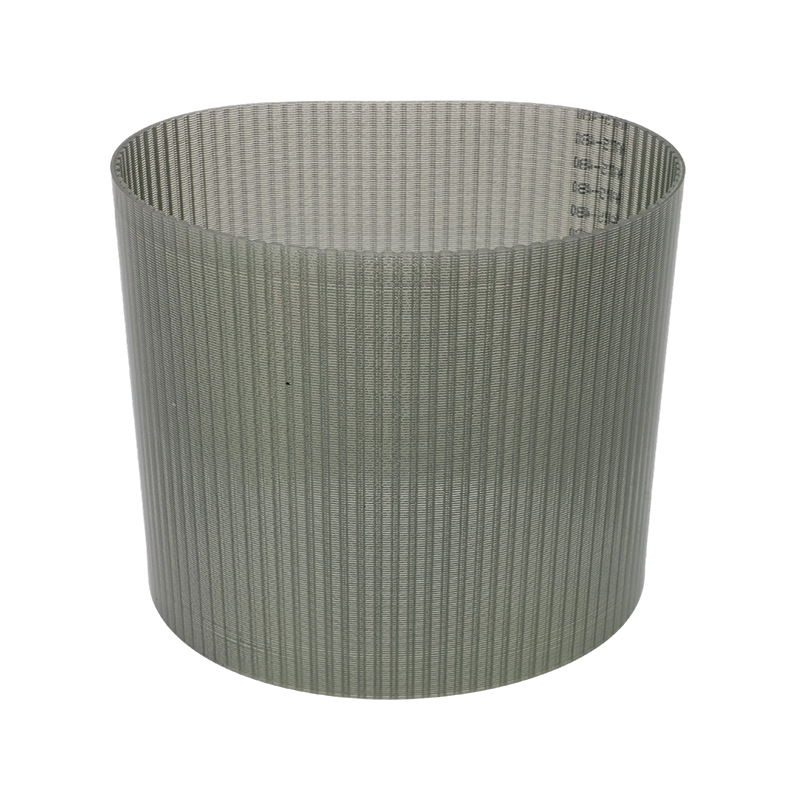
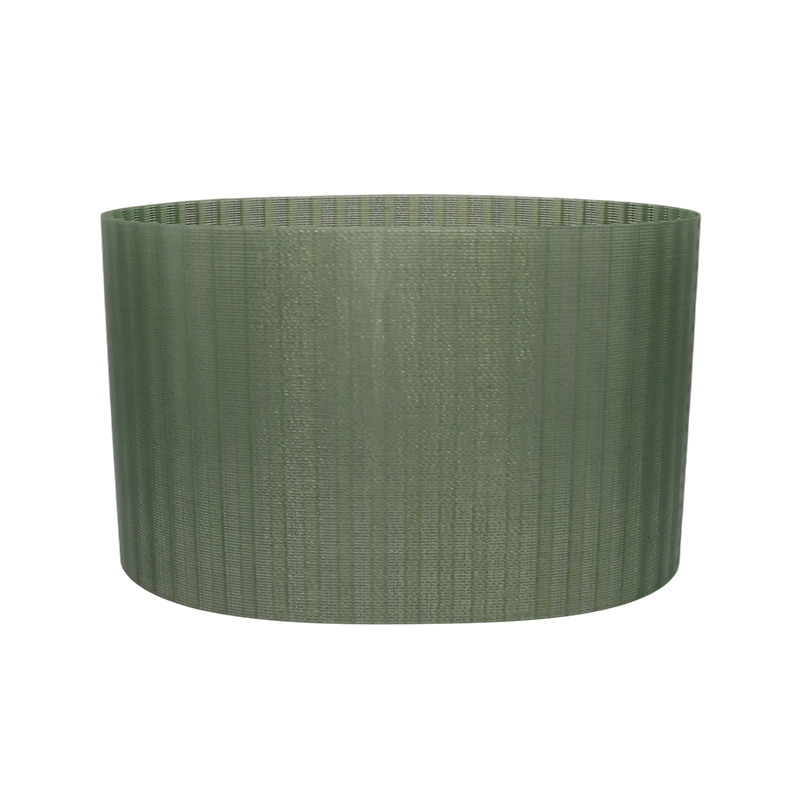
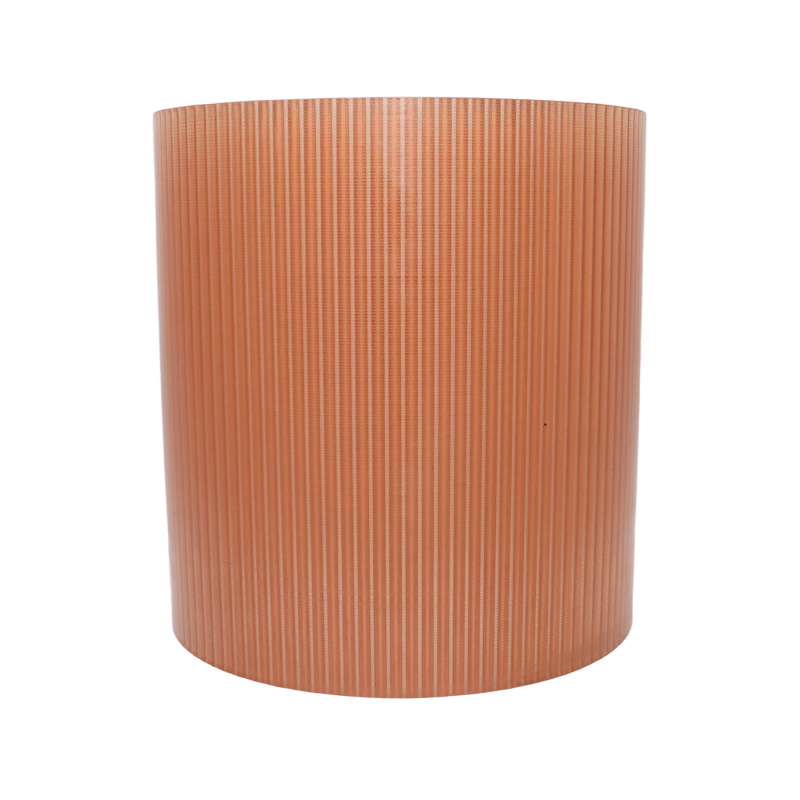
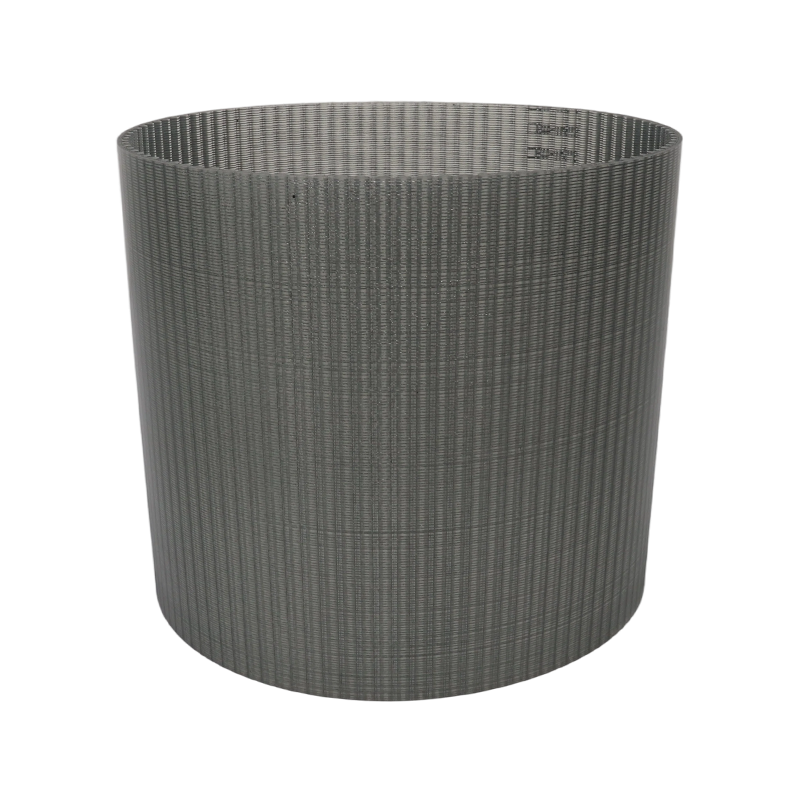
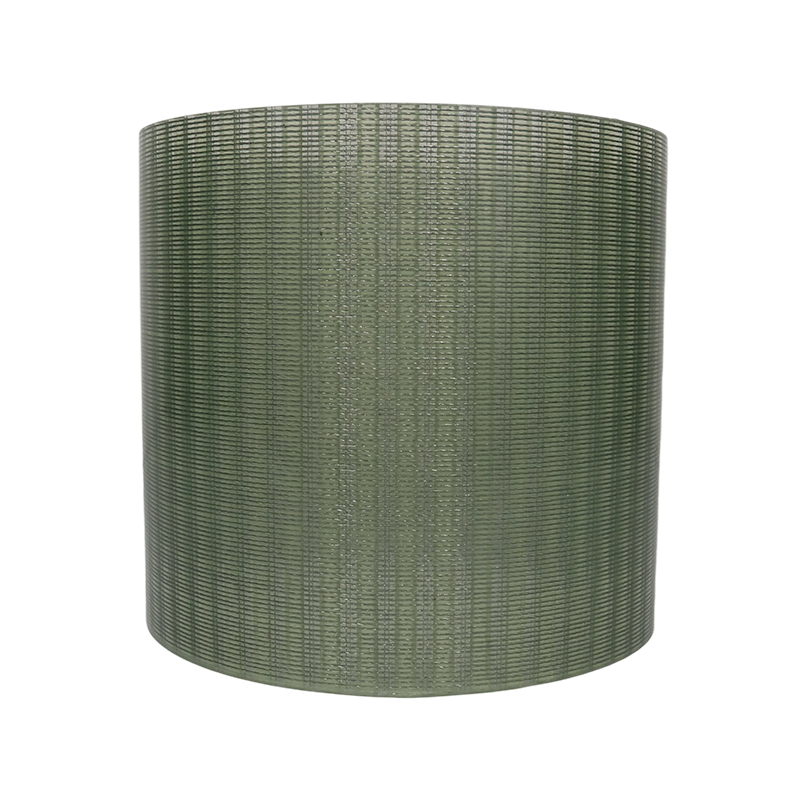
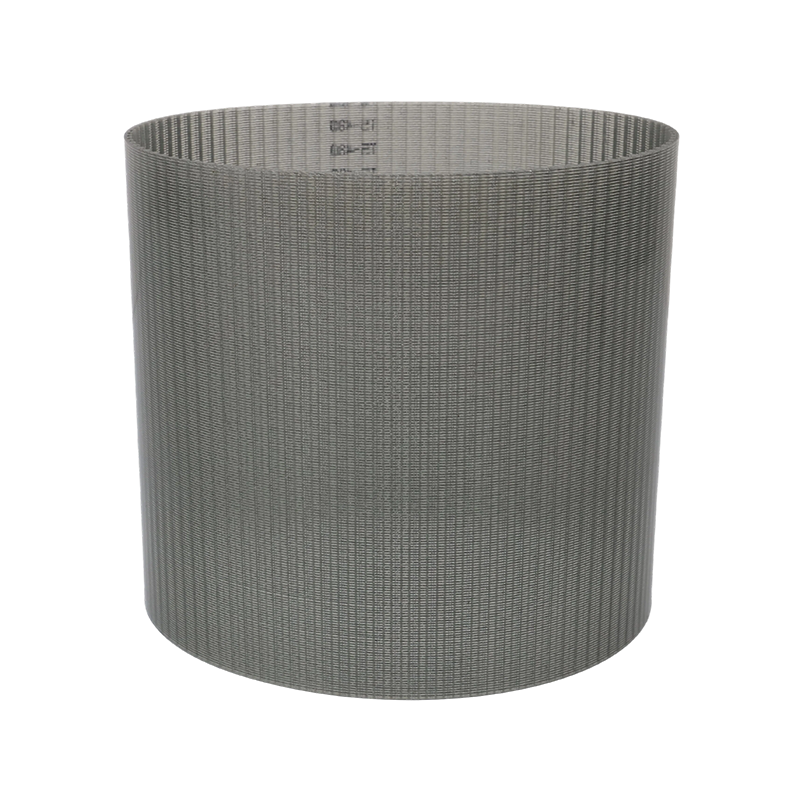
Complex machine layouts often require belts to travel through more than a simple two-pulley arrangement. Limited installation space, multiple shafts, vertical sections, and changes in belt direction can all affect transmission stability. Chengtai develops polyurethane belt solutions that combine synchronous tooth engagement with V-shaped belt geometry, giving equipment designers another option for demanding drive layouts.
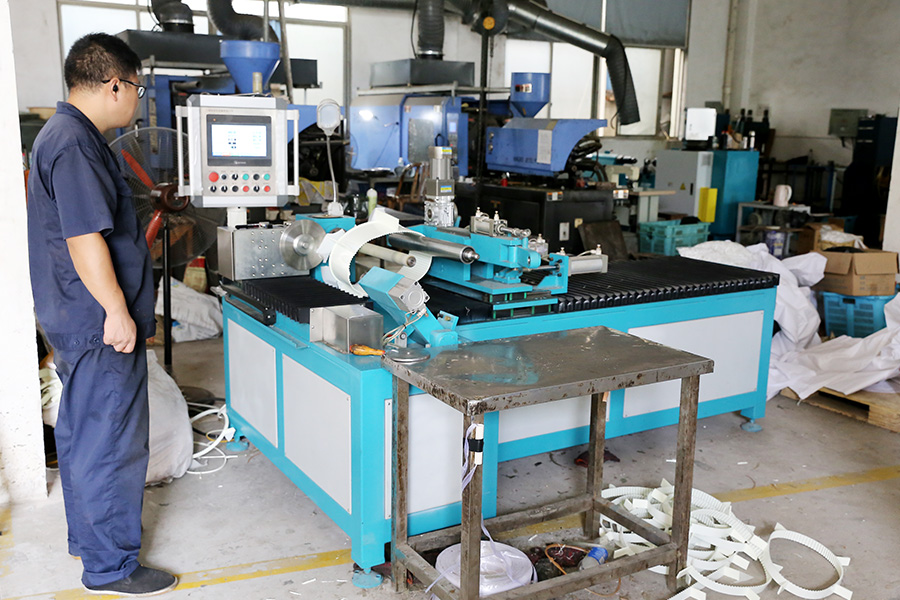
Traditional V belts transmit torque mainly through friction between the belt sidewalls and pulley grooves. Synchronous belts use teeth that engage with matching pulley grooves, creating positive mechanical contact. A synchronous V belt brings a different geometric approach to belt guidance and transmission.
Correct tooth and pulley geometry remains essential. Synchronous belt teeth must mesh with matching grooves throughout the contact arc to maintain reliable engagement.
Multiple pulley arrangements can introduce lateral forces that encourage a belt to move sideways. The issue becomes more noticeable with vertical or inclined installations, where gravity and machine vibration can affect belt positioning.
Chengtai can develop PU synchronous belt structures with guide features suited to specific drive arrangements. An integrated V-shaped guide can work with a matching pulley groove to help keep the belt centered. Technical examples of self-tracking polyurethane timing belts use guide widths such as 6 mm and 13 mm, with pitches ranging from 5 mm to 20 mm.
Drive complexity does not remove the need for accurate pitch matching. Chengtai evaluates belt pitch, tooth profile, width, pulley dimensions, and tensile construction as a connected system.
PU synchronous belt references include profiles such as T5 and T10, with 5 mm and 10 mm pitches respectively. Other synchronous belt families use profiles such as HTD 3M, 5M, 8M and 14M.
Some machines cannot rely on a simple driver-and-driven-pulley arrangement. A single belt may need to pass around several pulleys or guide components. Such layouts require attention to contact angle, belt tension, pulley spacing, and the direction of belt movement.
Double-sided polyurethane timing belts can also address more complicated routing. Teeth on both belt surfaces allow pulleys to engage from either side, supporting serpentine and counter-rotating arrangements.
Chengtai can therefore evaluate whether a single-sided synchronous V belt, guided construction, or double-sided timing belt configuration better matches the machine architecture.
Longer or more complicated belt paths place greater demands on tensile stability. Polyurethane timing belts commonly use steel tensile members, while alternative reinforcement can be considered around flexibility, bending conditions, and environmental requirements.
Public technical data also lists polyurethane synchronous belts with steel tensile members and operating temperature ranges around -30°C to 80°C for certain constructions.
Complex drive paths require more than simply adding pulleys to a conventional belt system. Belt geometry, tooth engagement, tracking structure, reinforcement, pulley dimensions, and installation direction all influence the final configuration.
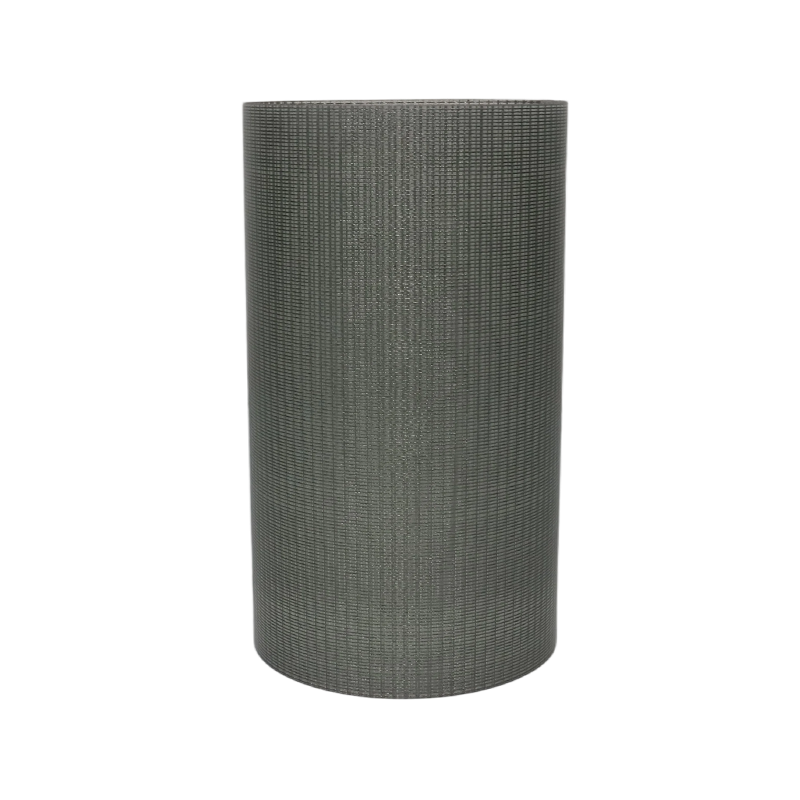
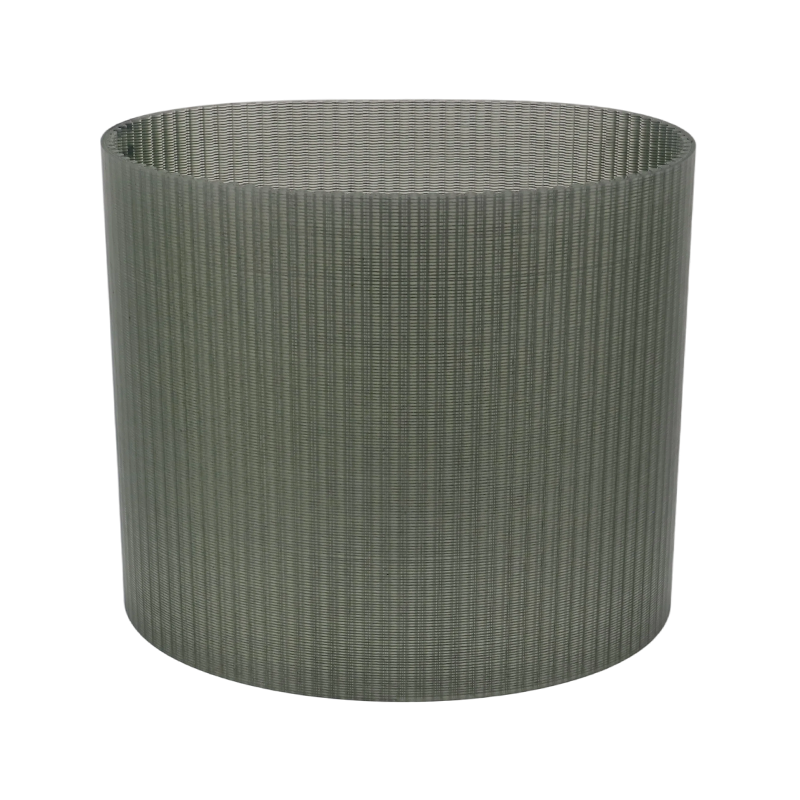
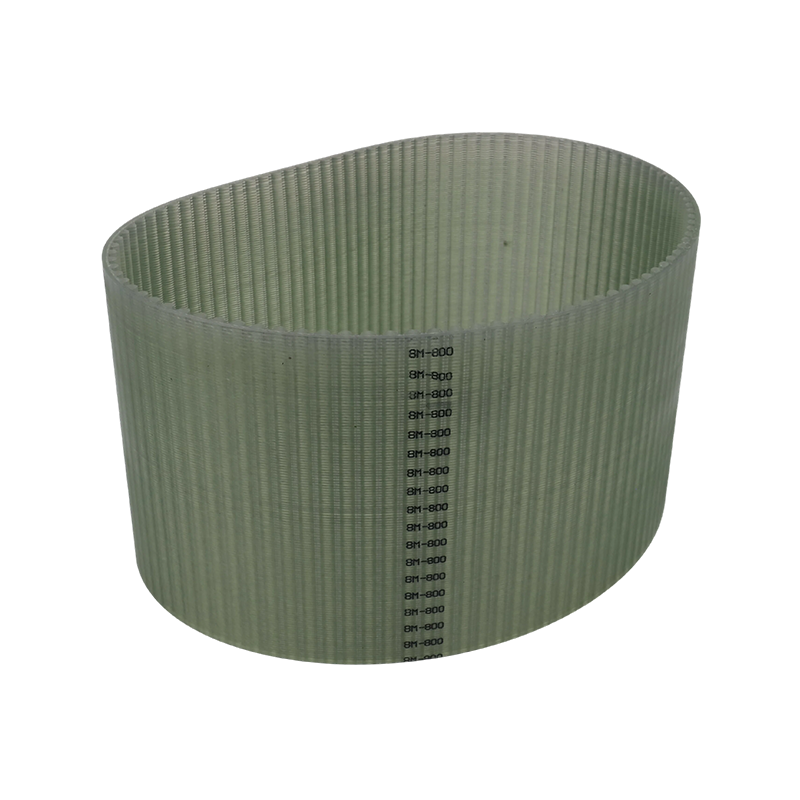
Chengtai provides synchronous V belt solutions around these mechanical requirements. With polyurethane construction, selectable tooth profiles, tensile reinforcement, guide structures, and customized dimensions, Chengtai helps equipment designers develop belt configurations suited to multi-pulley, inclined, vertical, and space-restricted transmission systems.


Contact Us
information
Chengxi Industrial Zone, Sanmen County, Zhejiang Province, China
+86-576-83355666
+86-576-83351588
product
mobile


 English