

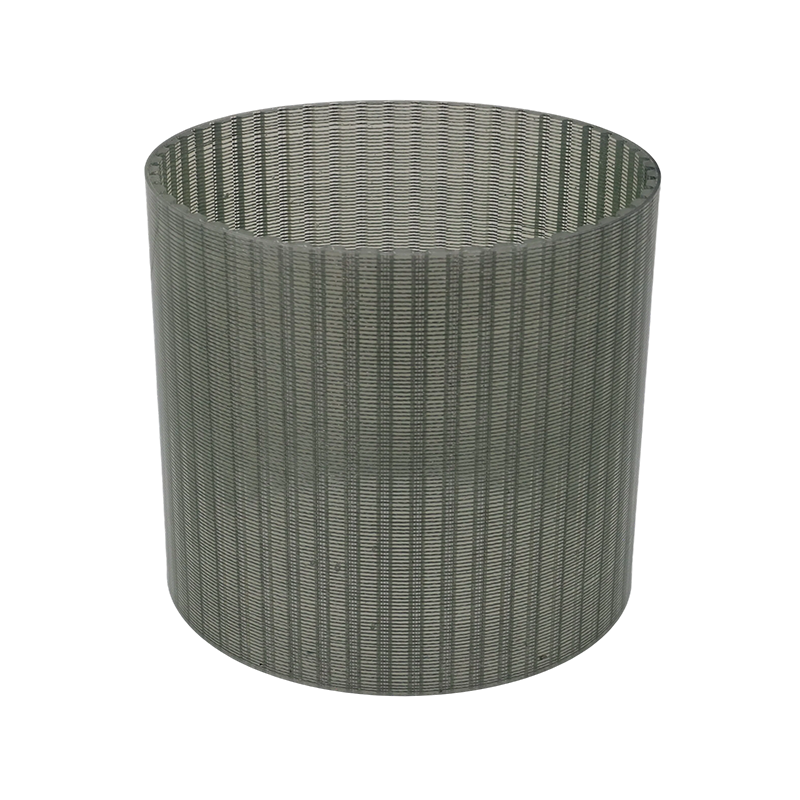
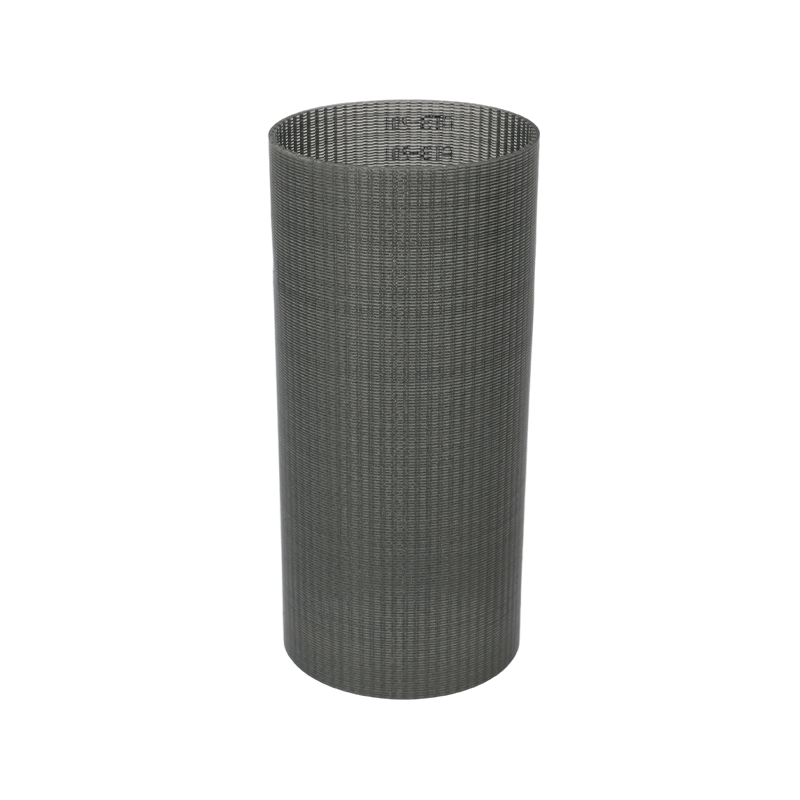
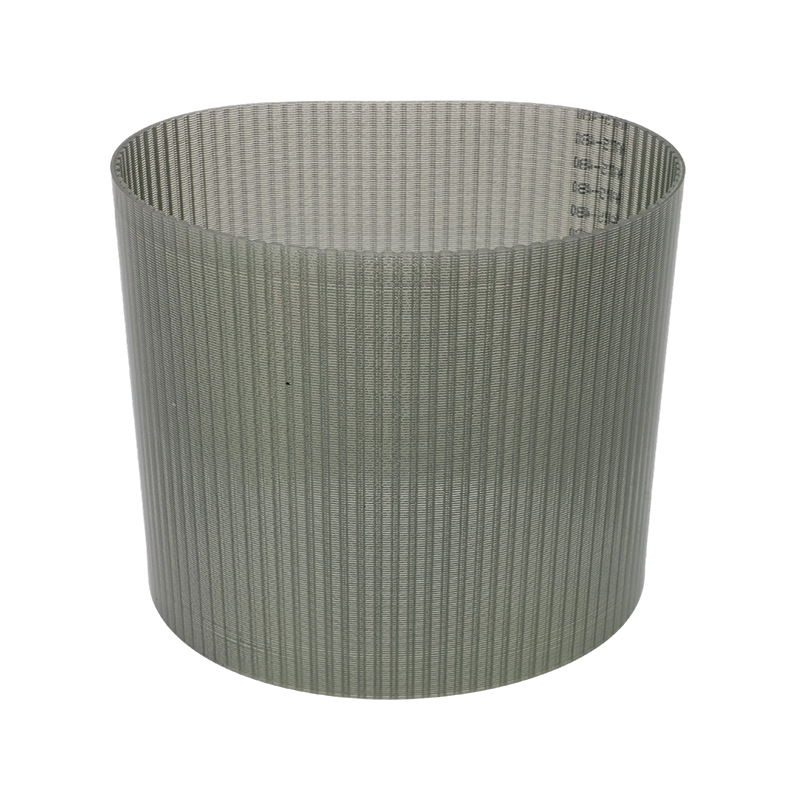
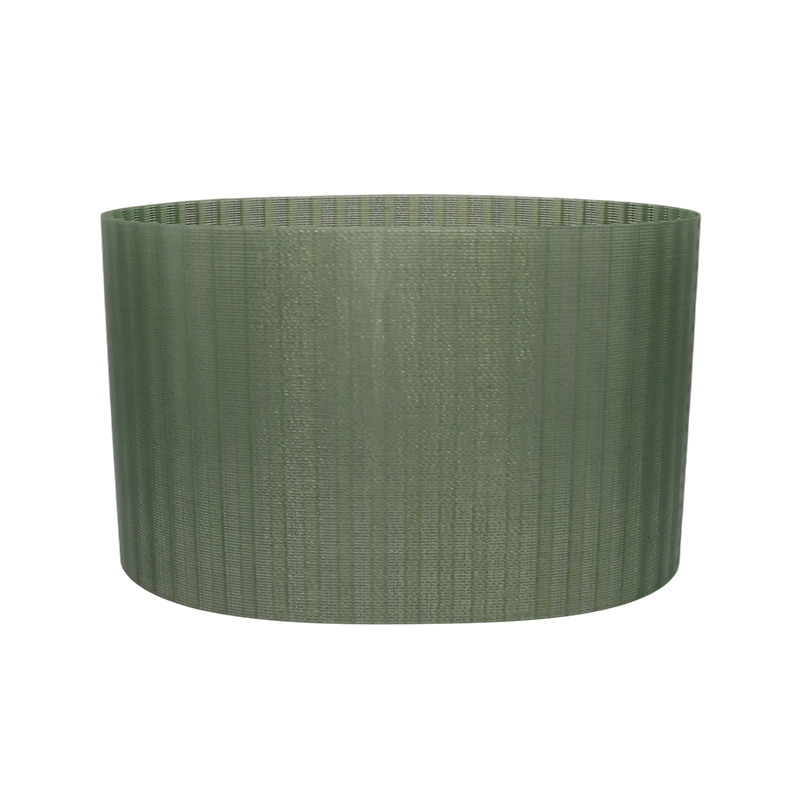
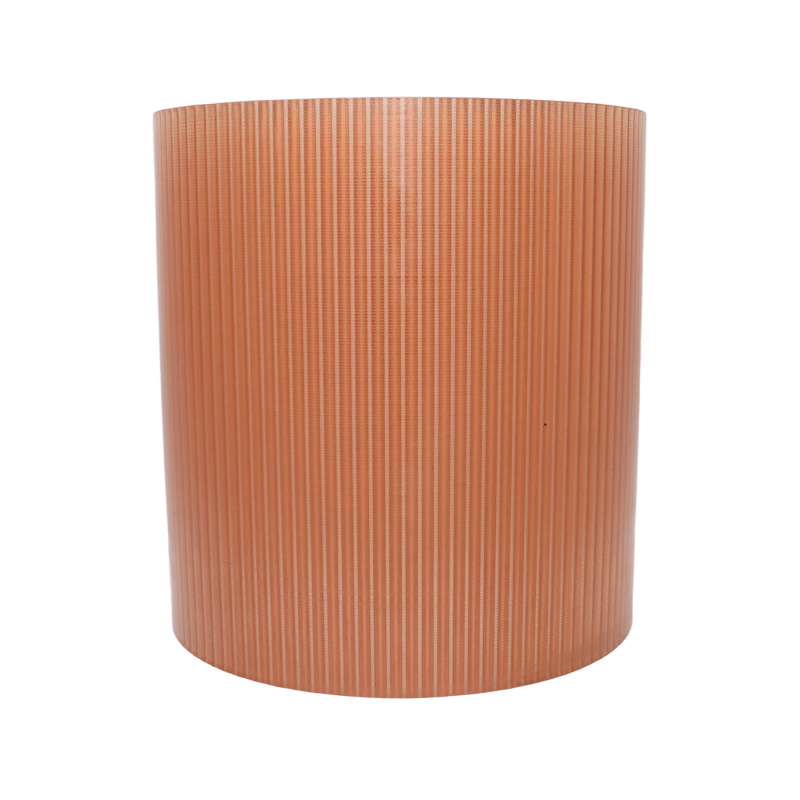
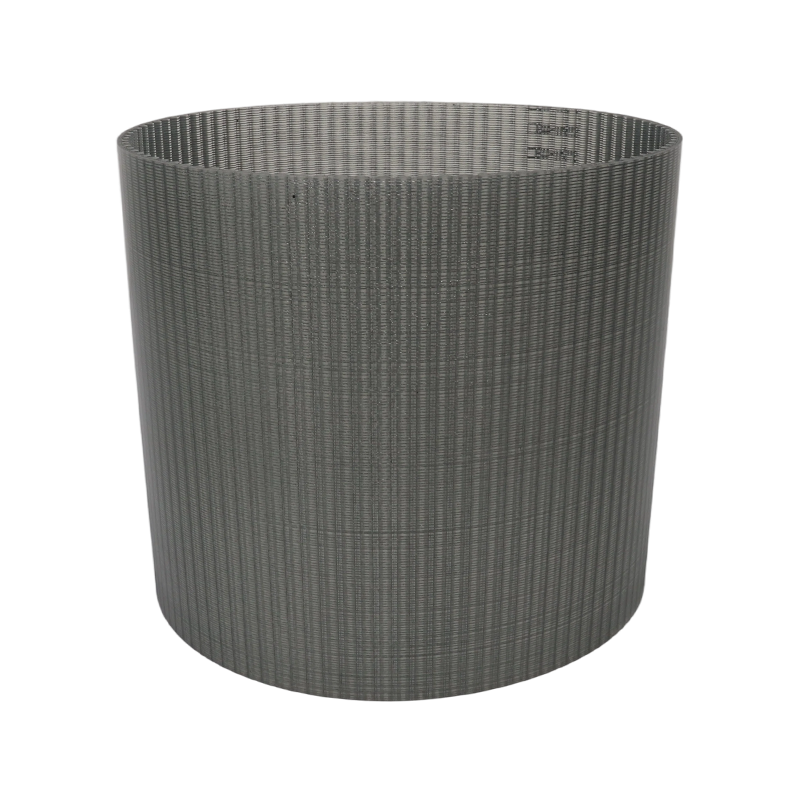
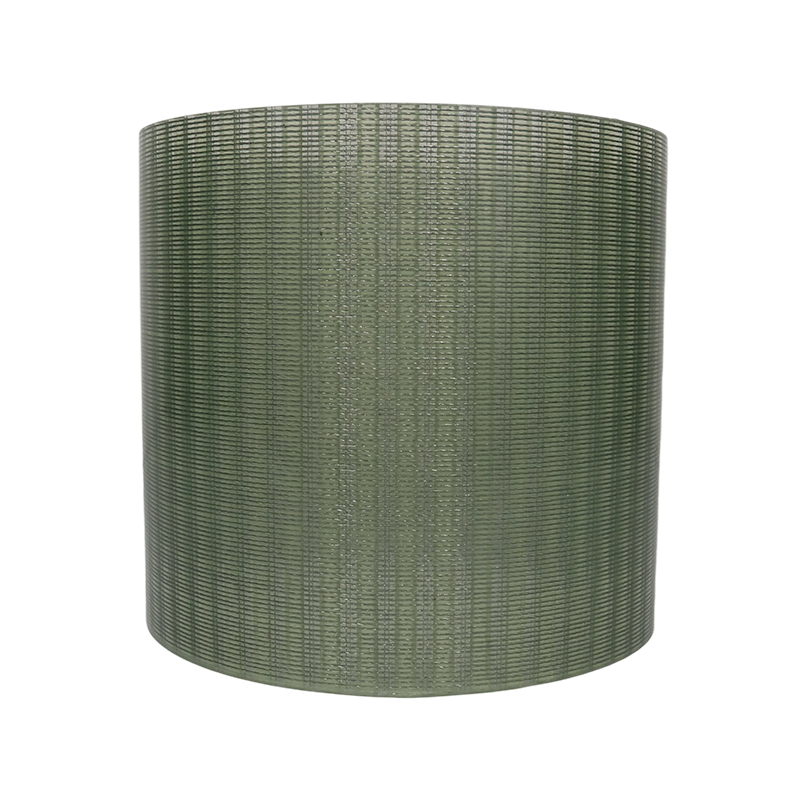
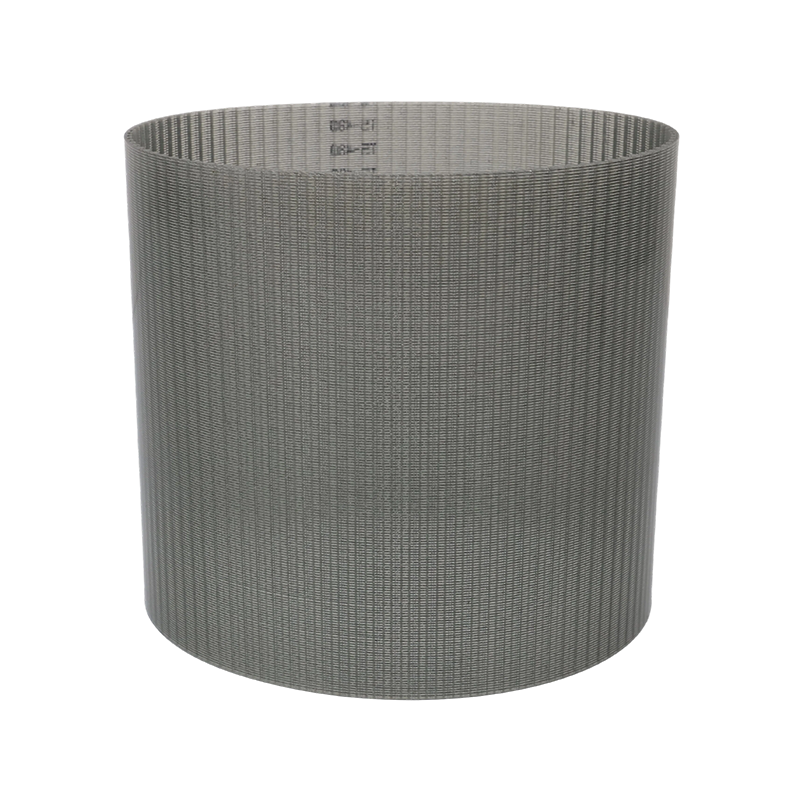
Endless synchronous belts are available in more than one construction. A belt can be formed by joining open-ended material, or it can be manufactured as a continuous loop without a splice. These two structures may look similar after installation, yet their internal construction can differ considerably. Chengtai examines this distinction through belt strength, tension-member continuity, running behavior, and application requirements.
The term “endless” can describe a belt installed as a continuous loop rather than a straight open-ended length. Such a loop may use a welded connection. Truly endless construction takes a different approach, with the belt manufactured as a continuous loop without a welded joint.
Public technical documentation also distinguishes welded endless belts from truly endless designs because the tensile reinforcement can be interrupted at the joining area.
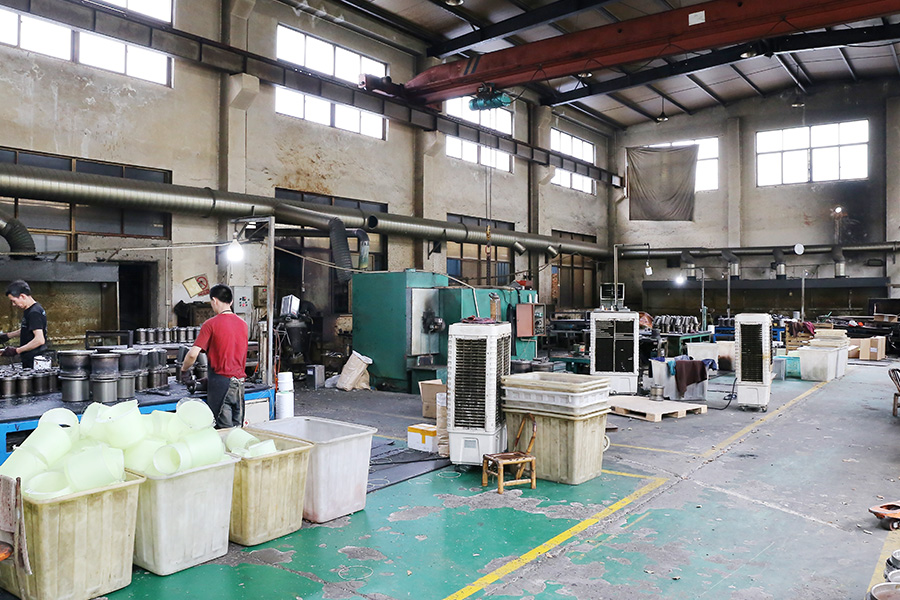
Joint construction can be useful for applications requiring a customized loop length. Heat welding allows thermoplastic polyurethane belt ends to form an endless loop without replacing the entire belt system. This approach gives machine builders flexibility with non-standard dimensions.
The joint still represents a localized structural transition. Depending on the welding method and belt design, tensile capacity at the connection can be lower than that of uninterrupted reinforcement. Published technical data gives different strength levels for finger-welded and butt-welded constructions, demonstrating why joint design deserves attention during belt specification.
Chengtai pays close attention to the relationship between polyurethane construction and internal tensile reinforcement. Steel cord or other reinforcement carries the primary tensile load, while the PU body forms the tooth structure and protects the reinforcement.
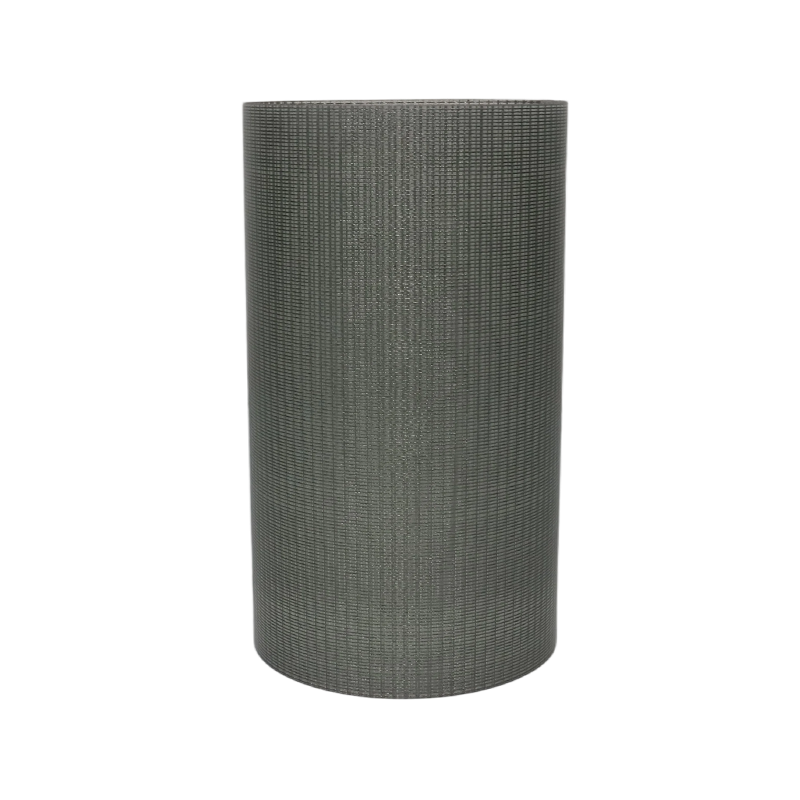
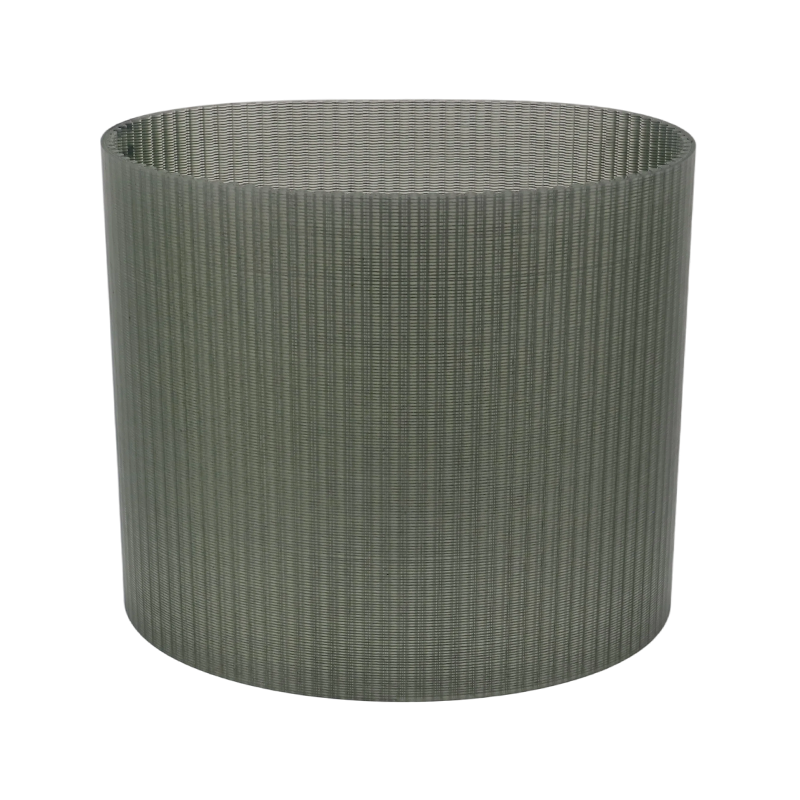
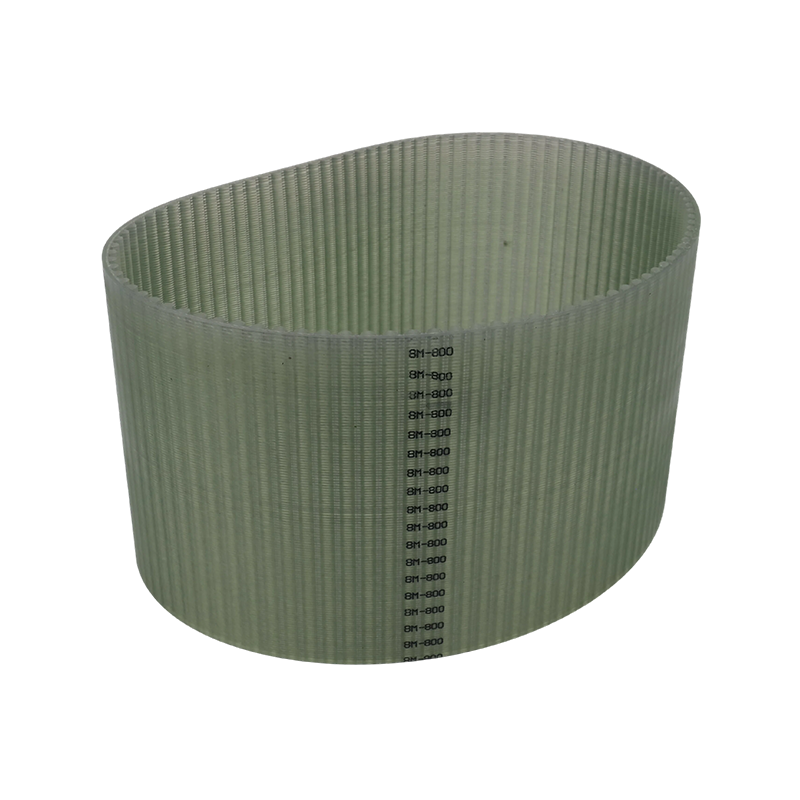
Truly endless PU belts are particularly relevant to rotary transmission and precision applications where uninterrupted reinforcement and consistent belt behavior are important.
Not necessarily. Chengtai considers the machine layout before determining whether a truly endless design is appropriate. Welded endless belts can offer useful flexibility for conveyors, packaging equipment, and custom loop dimensions. Truly endless construction becomes more attractive in applications exposed to continuous cyclic loads or demanding rotary transmission conditions.
Seamless construction does not remove the need to match the belt to the pulley system. Pitch, tooth profile, width, belt length, pulley diameter, tensile cord arrangement, and operating load remain important specifications.
Common PU timing belt profiles include T5, T10, AT5, AT10 and other synchronous profiles. Chengtai can configure belt dimensions around the transmission requirements rather than treating the endless structure as the only deciding factor.
Chengtai develops PU timing belt solutions around the actual transmission structure rather than assuming every endless belt requires the same construction. Welded loops can address customized dimensions and conveying requirements, while truly endless designs provide a continuous belt structure suited to demanding rotary transmission applications.
As a manufacturer of endless synchronous belts, Chengtai focuses on polyurethane composition, tooth geometry, tensile reinforcement, belt dimensions, and construction method. This approach allows customers to match the belt structure with the mechanical demands of their equipment instead of treating “endless” as a single universal specification.


Contact Us
information
Chengxi Industrial Zone, Sanmen County, Zhejiang Province, China
+86-576-83355666
+86-576-83351588
product
mobile


 English