

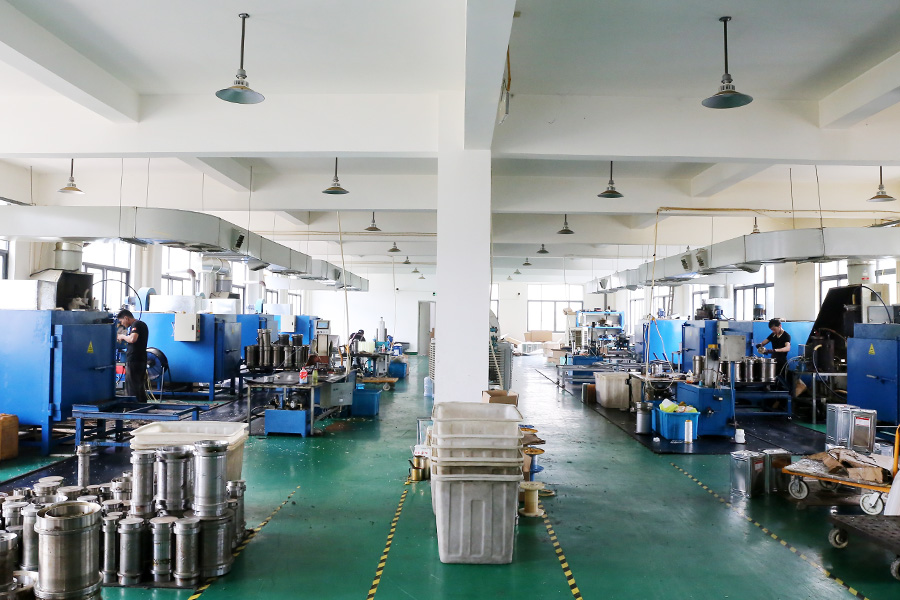
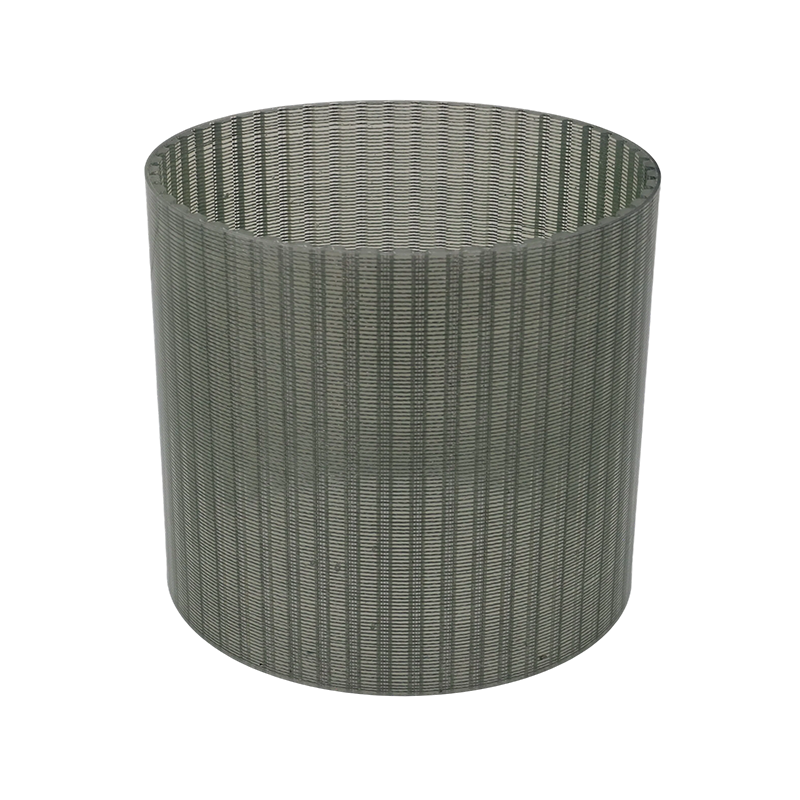
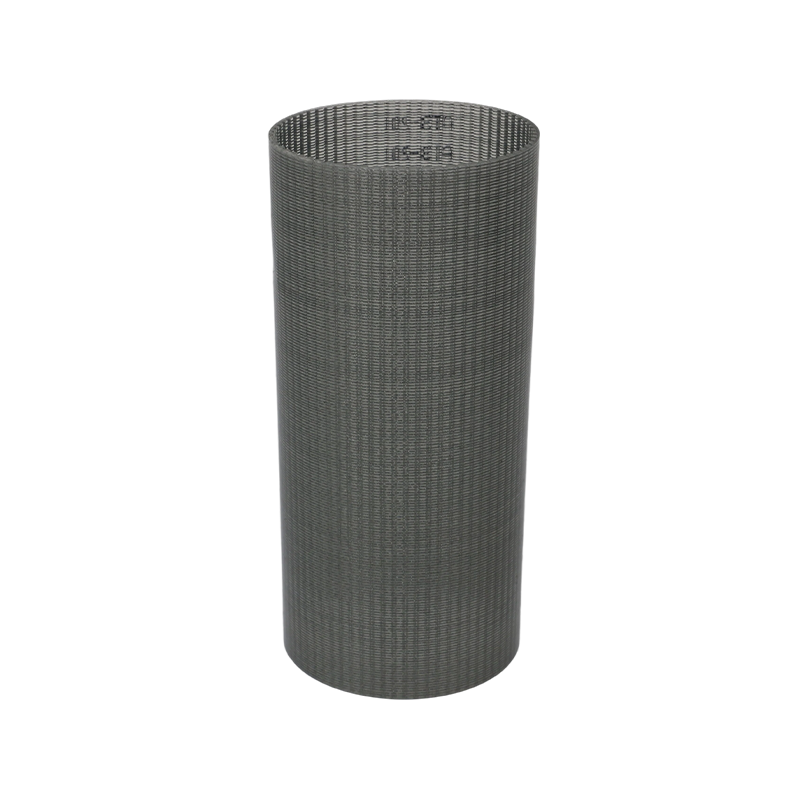
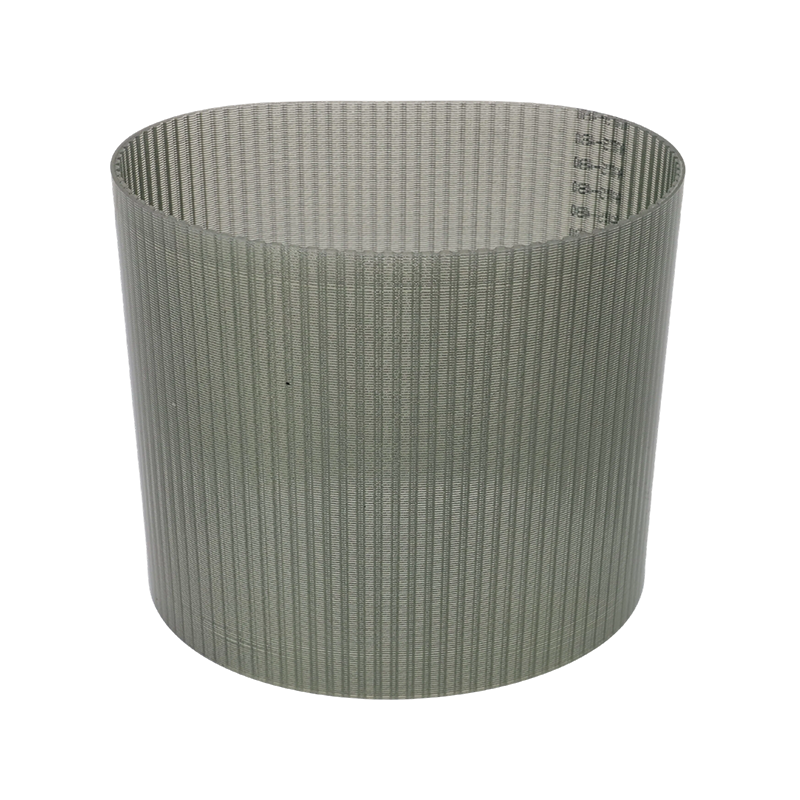
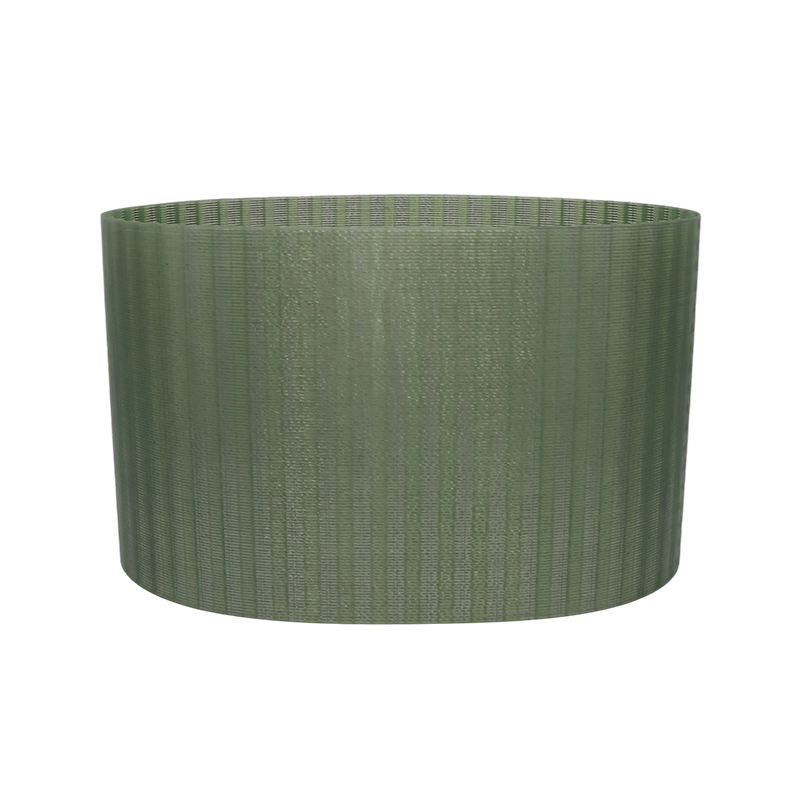
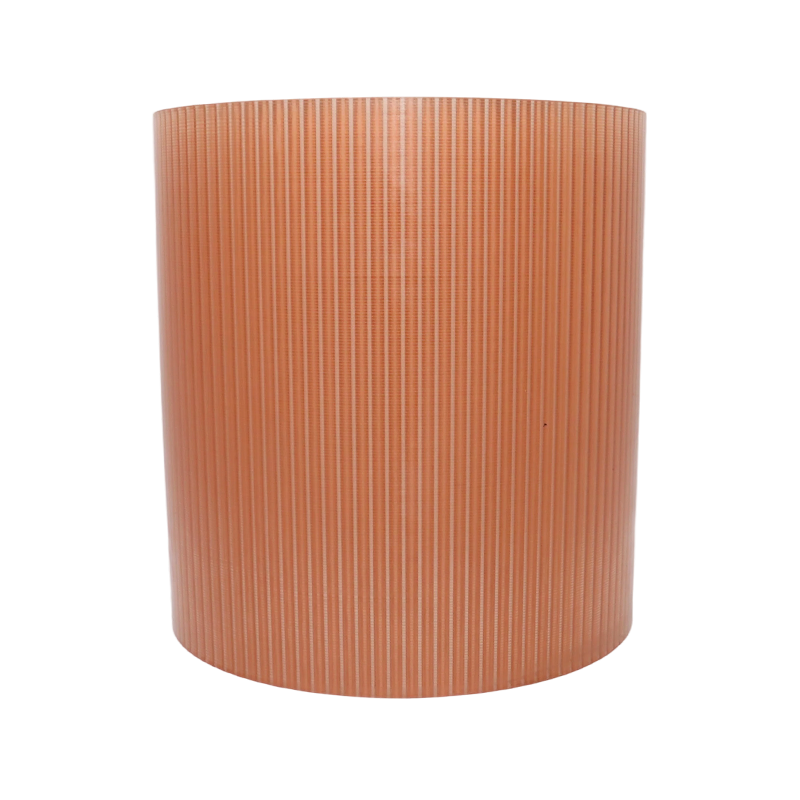
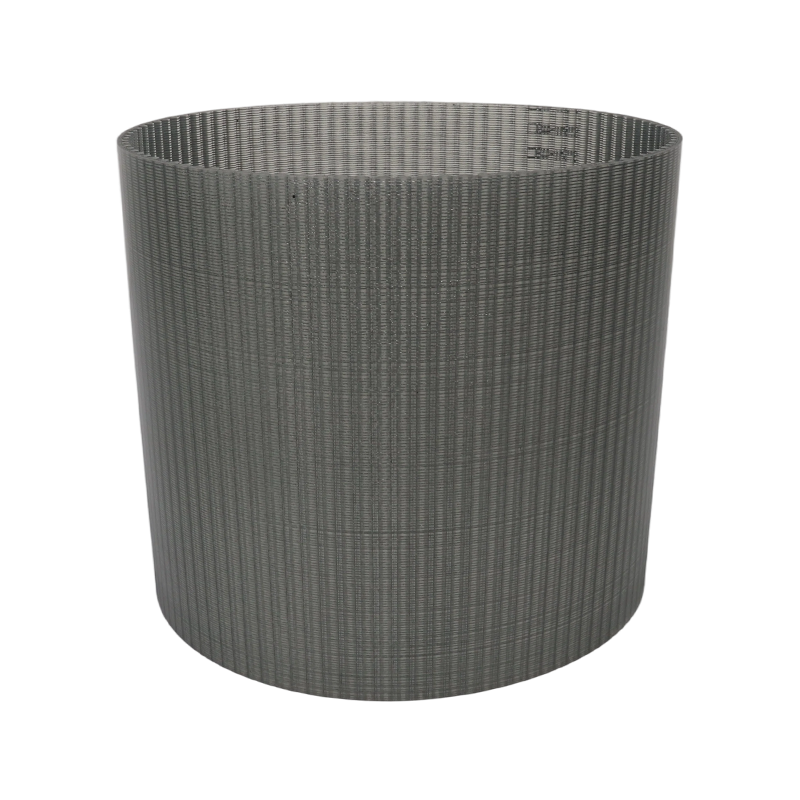
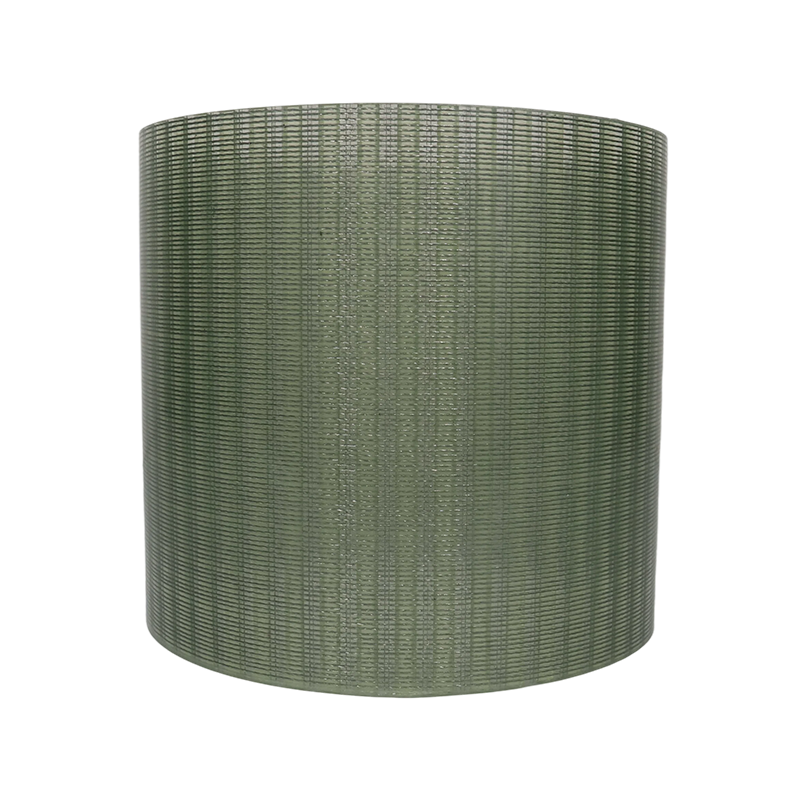
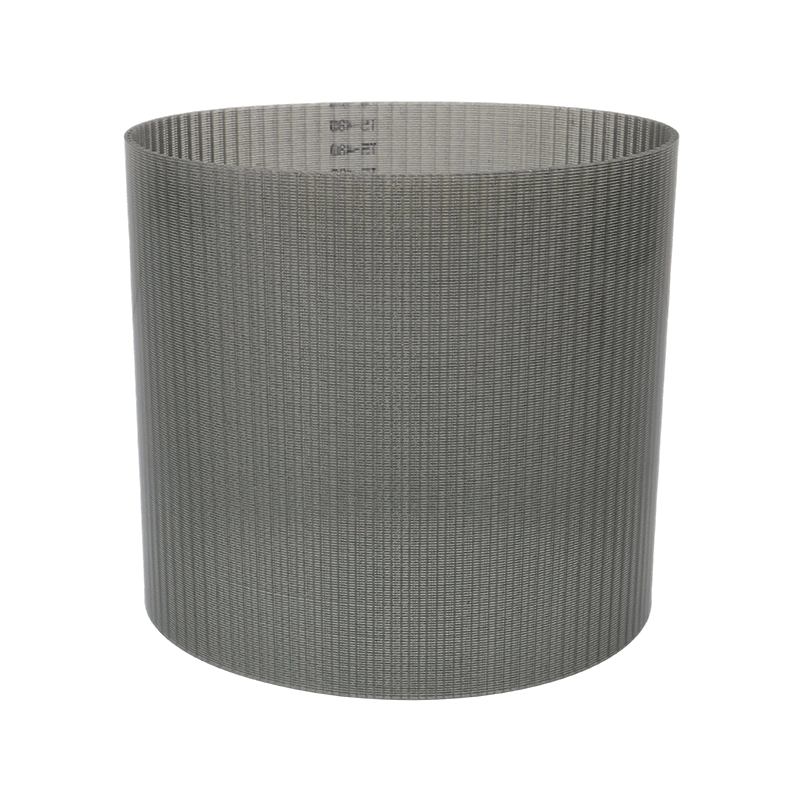
Machine builders often face the same mechanical challenge: several shafts need synchronized movement, but the available installation area is limited. Adding separate belts for every shaft can increase the number of pulleys, tensioning components, and structural supports. Chengtai approaches this problem through polyurethane Double Sided Timing Belt solutions, where teeth on both belt surfaces create additional transmission possibilities.
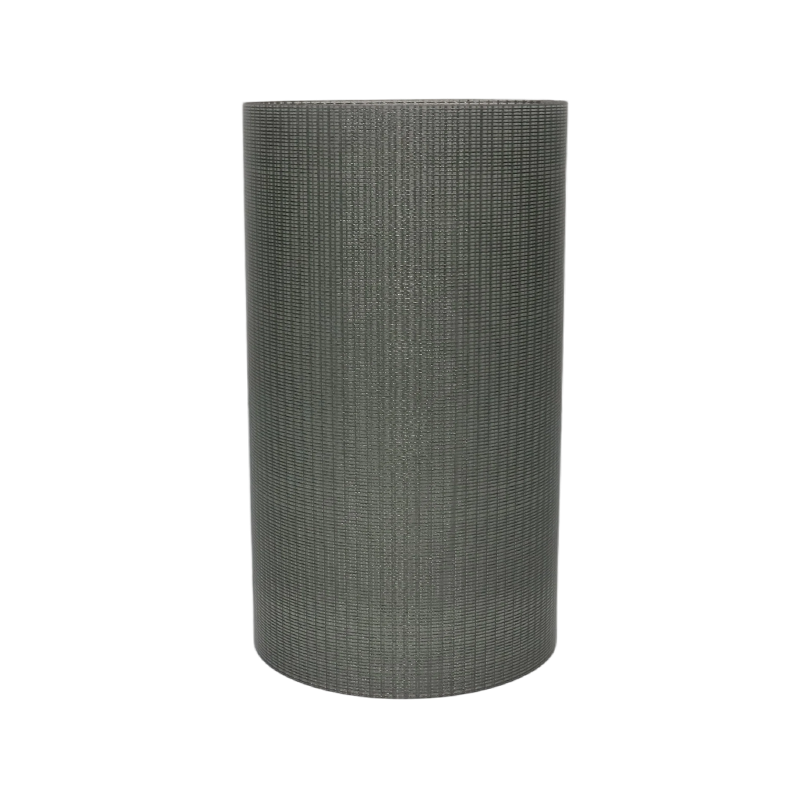
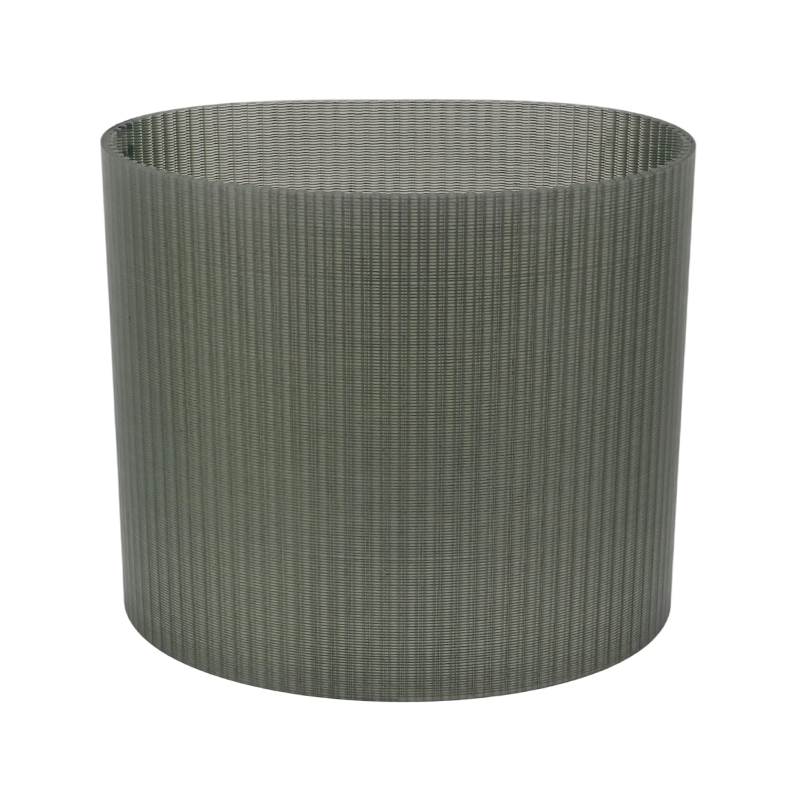
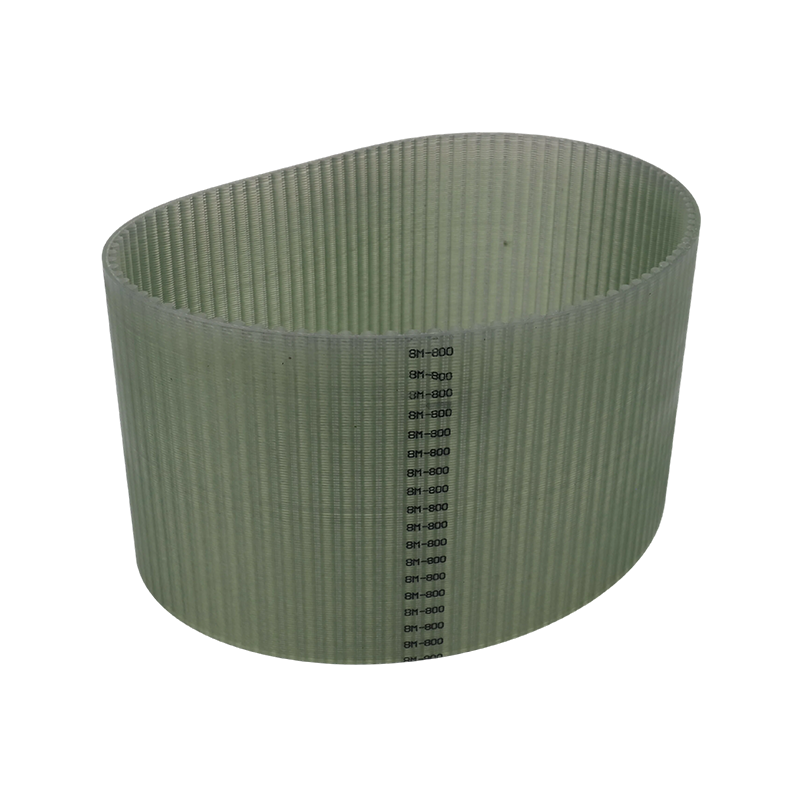
Standard timing belts normally transmit motion through their toothed inner surface. Their flat back can pass around smooth idlers, but it cannot normally drive another toothed pulley. Double-sided construction changes this arrangement by adding teeth to both surfaces.
Technical references describe this configuration as suitable for multi-point and serpentine drives because the two toothed faces can engage pulleys from opposite sides.
Serpentine routing is particularly useful in machinery where shafts are arranged along a compact path. Rather than creating separate belt loops around individual shaft pairs, a single double-sided belt can travel through an alternating pattern around several pulleys.
This layout can reduce the need for parallel belt systems. Chengtai can configure polyurethane timing belts around the required pitch, width, length, and tensile reinforcement so the belt path matches the machine architecture.
Machine layouts sometimes require neighboring shafts to rotate in opposite directions. A conventional single-sided timing belt generally requires additional routing or transmission components to create this effect.
Double-sided teeth provide another mechanical option. A pulley engaging the opposite belt surface can rotate in the reverse direction relative to a pulley engaging the other surface. This principle is useful for equipment containing counter-rotating rollers, spindles, or processing components.
Such a configuration can simplify the transmission architecture while keeping synchronized movement between multiple shafts.
Space saving does not mean the belt can use any pulley profile. Both sides of a double-sided timing belt need matching tooth geometry, and the associated pulleys must use the corresponding pitch.
Chengtai can work with commonly used polyurethane profiles such as T5, T10, AT5, and AT10, depending on the required transmission structure.
Published polyurethane belt specifications also list T5 and T10 double-sided constructions, including steel tensile cords and various belt widths.
Multi-shaft transmission changes the load calculation. The belt does not simply transmit the torque of a single driven shaft. Several pulleys can impose different loads along the same belt path.
Chengtai evaluates belt width together with transmitted torque, pulley diameter, shaft arrangement, belt length, and operating speed. A wider belt can provide a broader load-carrying area, while the tensile cord helps control elongation under tension.
Compact synchronized movement is useful across various machine types. Double-sided polyurethane timing belts can be considered for packaging equipment, textile machinery, printing systems, paper processing equipment, conveying systems, and automated multi-axis mechanisms.
Space restrictions do not always require smaller components. Sometimes the better approach is to redesign how the transmission path uses available space. A double-sided belt can turn the belt's normally unused outer surface into an active driving surface.
Chengtai develops Double Sided Timing Belt solutions around tooth profile, belt width, pitch length, tensile reinforcement, pulley arrangement, and application load. Such configurations give machine designers another way to build compact serpentine drives, multi-shaft systems, and reverse-rotation mechanisms without creating separate belt loops for every transmission point.


Contact Us
information
Chengxi Industrial Zone, Sanmen County, Zhejiang Province, China
+86-576-83355666
+86-576-83351588
product
mobile


 English