

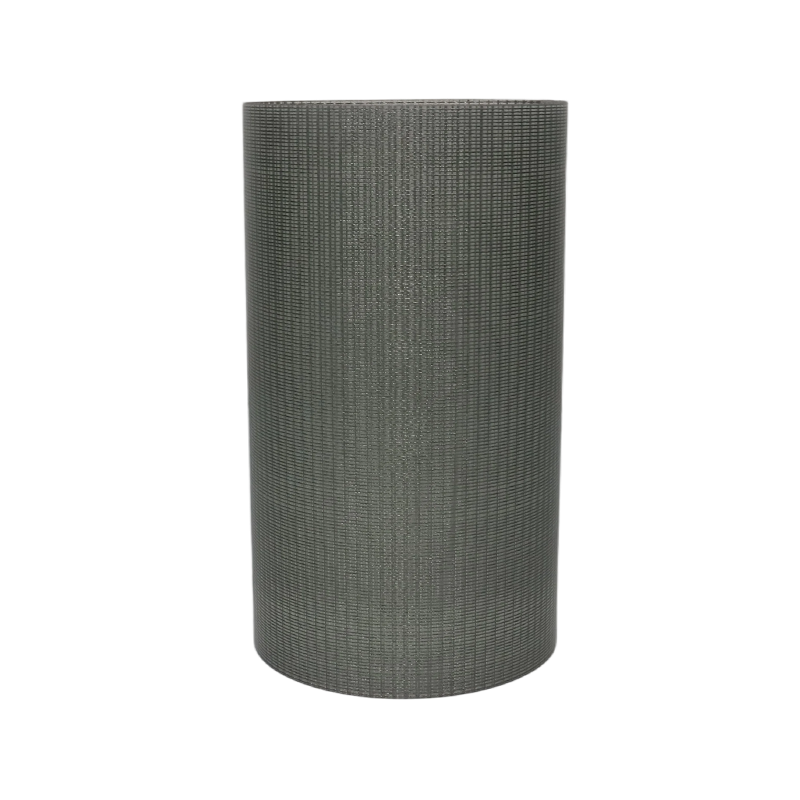
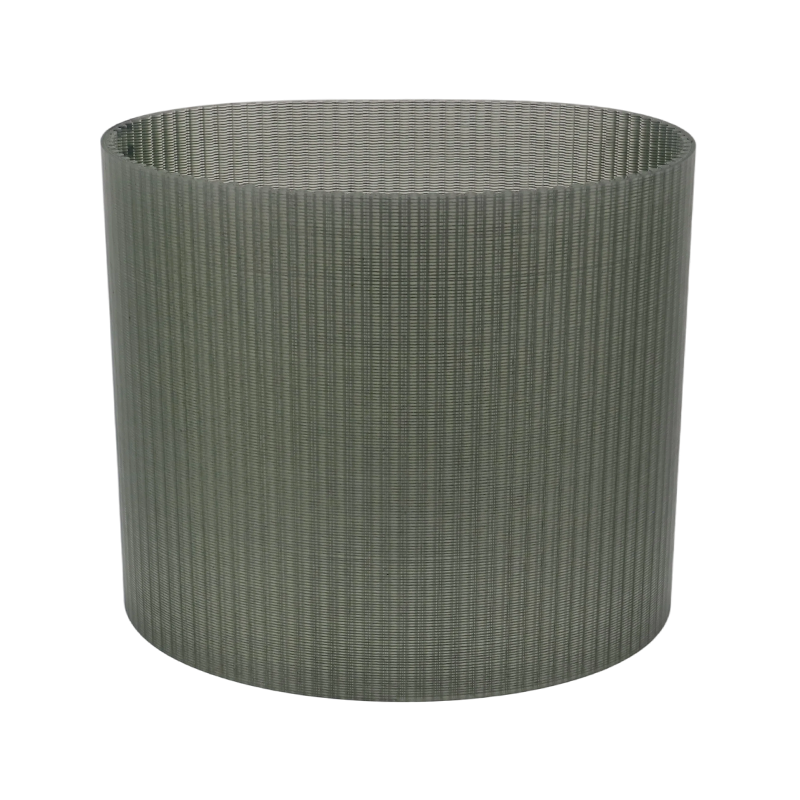
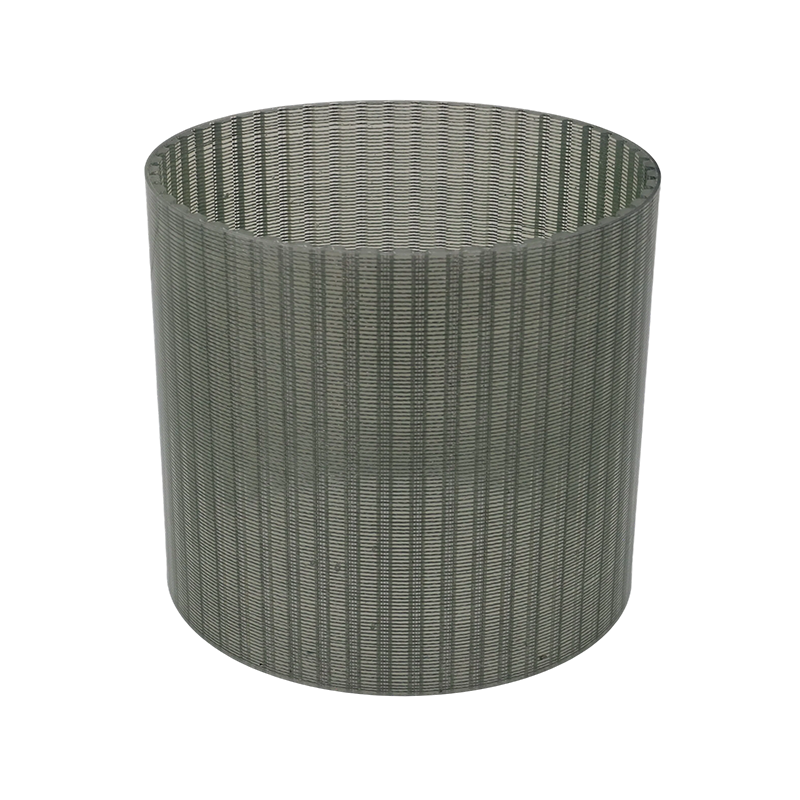
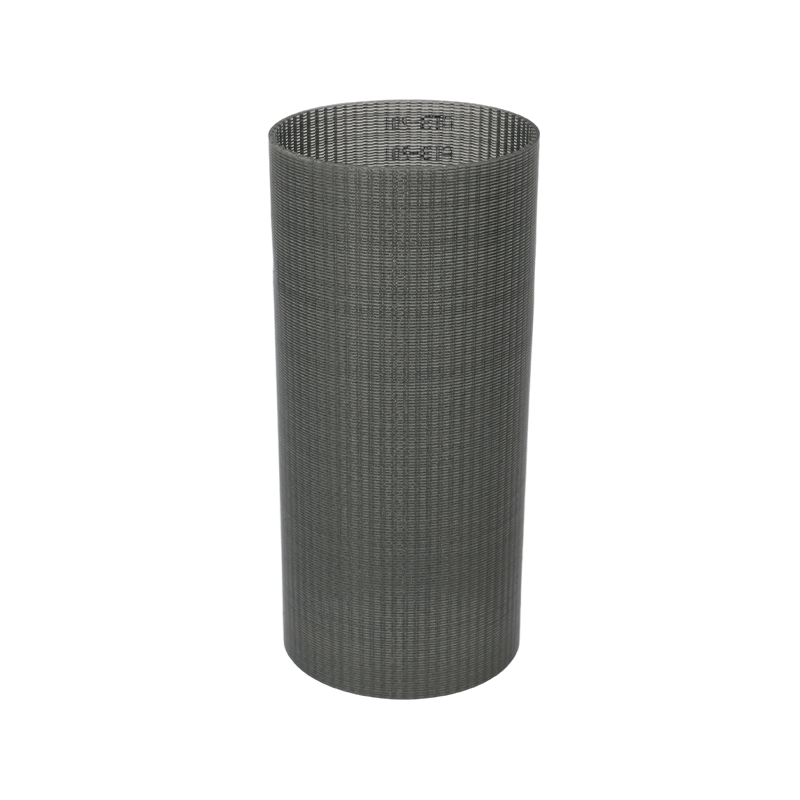
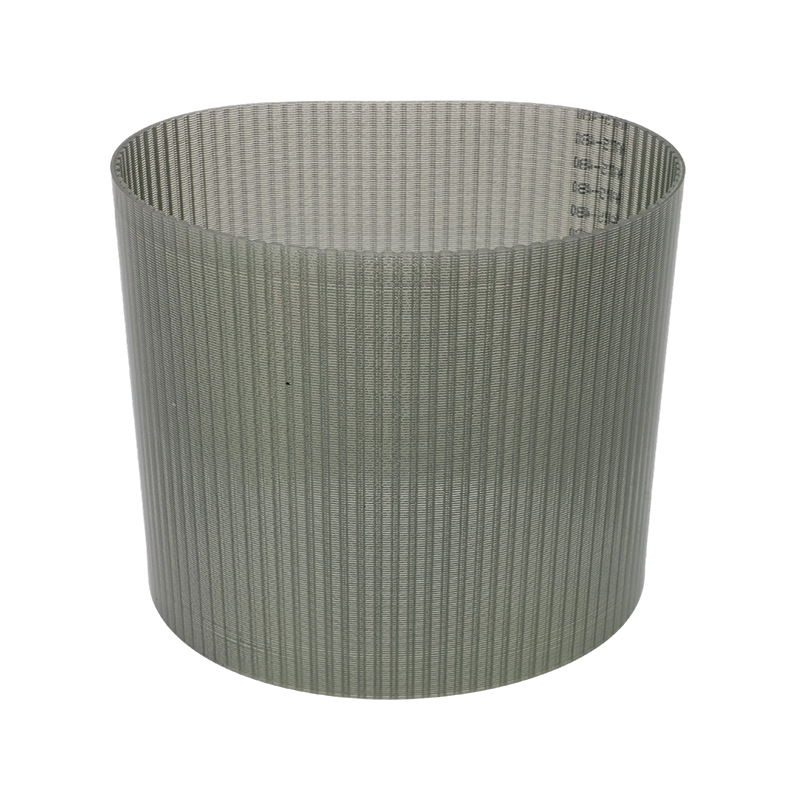
Precision motion systems depend on more than motor control and accurate pulleys. The timing belt also plays a direct role in how consistently rotary motion becomes linear or synchronized movement. Chengtai focuses on polyurethane timing belt solutions designed around tooth geometry, tensile reinforcement, dimensional stability, and application-specific configurations. These factors help explain why a PU timing belt can fit CNC equipment, automation machinery, positioning systems, and other precision transmission applications.
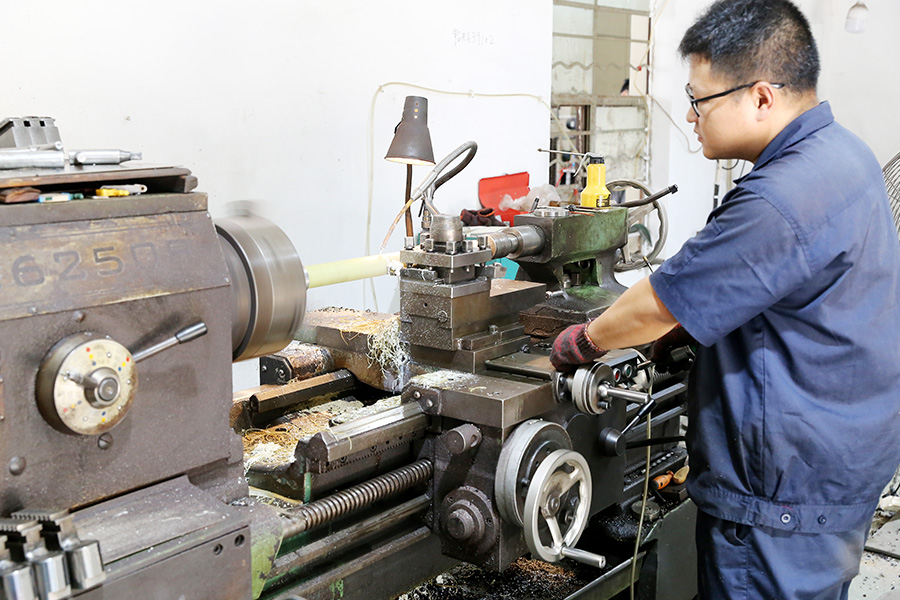
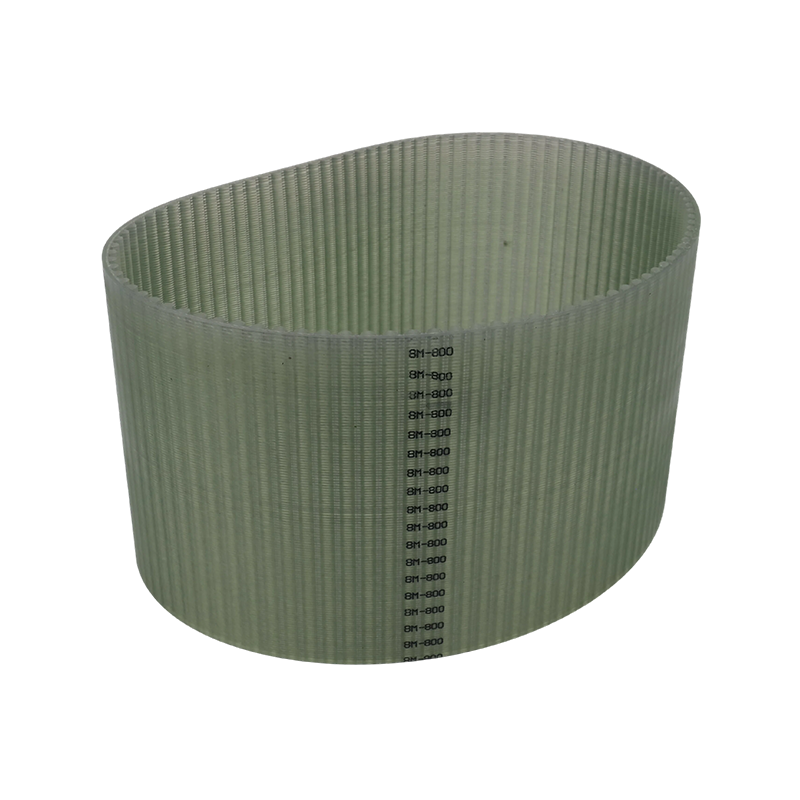
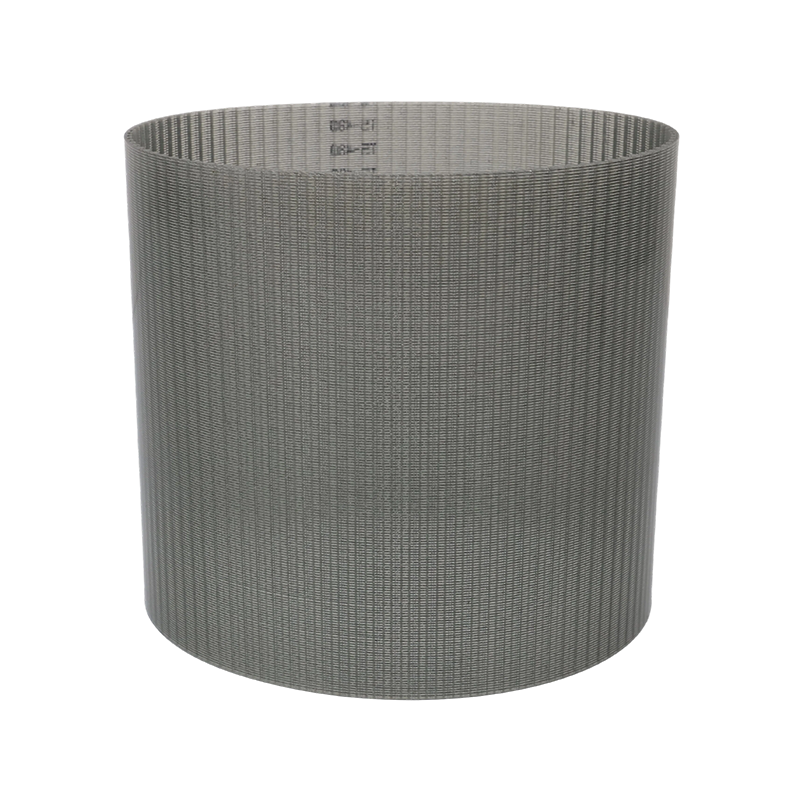
Timing belt teeth engage directly with matching pulley grooves rather than relying on friction. This structure helps maintain synchronization between the driving and driven components. Chengtai polyurethane timing belts can be produced around common profiles such as T5, T10, AT5, and AT10, with pitch selection matched to the transmission layout.
Pitch accuracy becomes especially relevant in indexing and positioning systems, where small dimensional deviations can become visible as movement errors.
The polyurethane body provides the belt with wear resistance and dimensional stability, while the internal tension member carries tensile loads. Chengtai can configure PU timing belts with reinforcement suited to the required mechanical conditions.
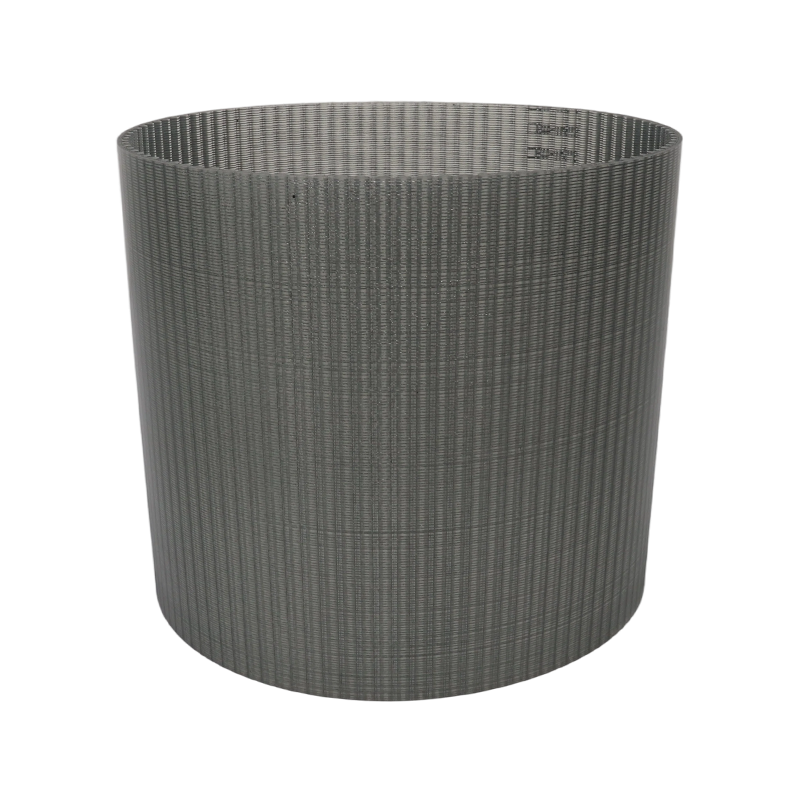
Technical references commonly associate steel-cord polyurethane timing belts with linear motion, CNC positioning, actuators, and precision indexing because limited elongation helps maintain the relationship between motor rotation and belt movement.
Material alone does not determine precision. Belt width, pitch, tooth profile, tensile cord arrangement, pulley diameter, and belt length all influence how the transmission behaves. Chengtai approaches PU timing belt production around these combined parameters rather than treating polyurethane as a standalone specification.
Common technical configurations can include T5, T10, AT5, AT10 and other synchronous profiles, with dimensions adapted to equipment requirements. A suitable profile allows the belt teeth to engage the pulley correctly while distributing transmission forces across the working area.
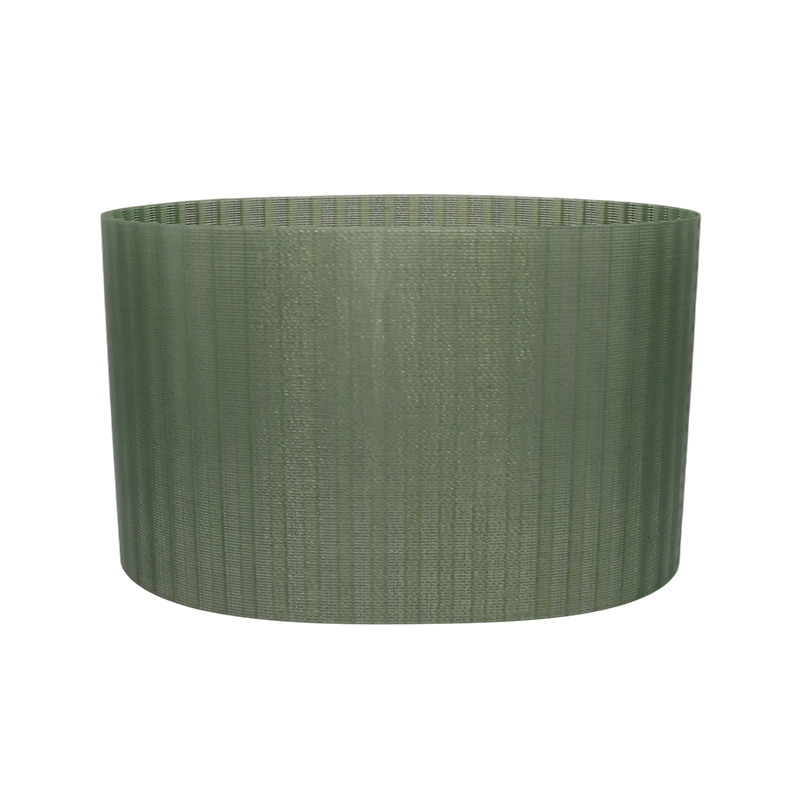
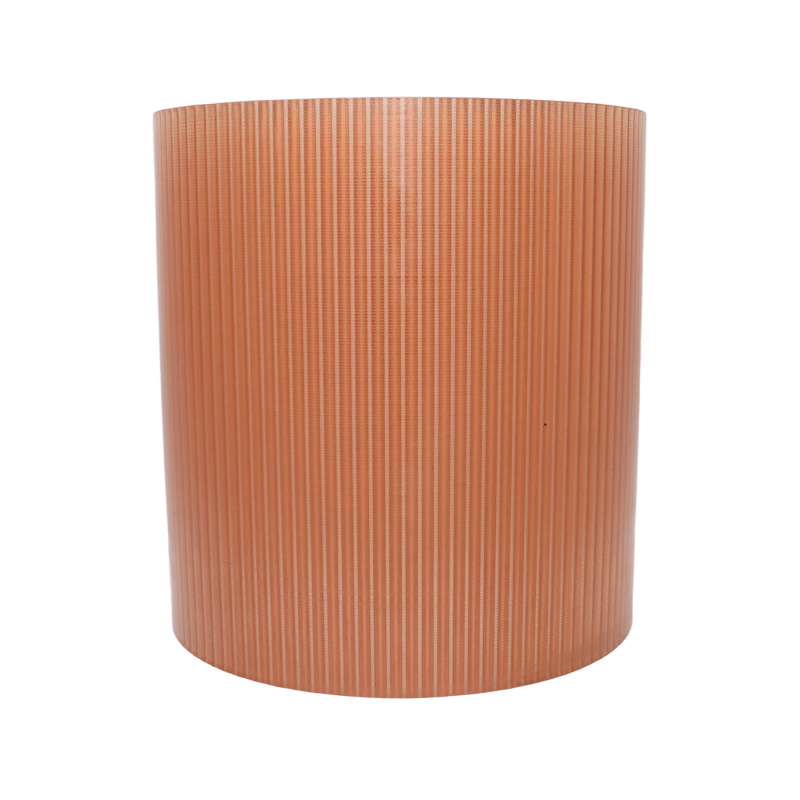
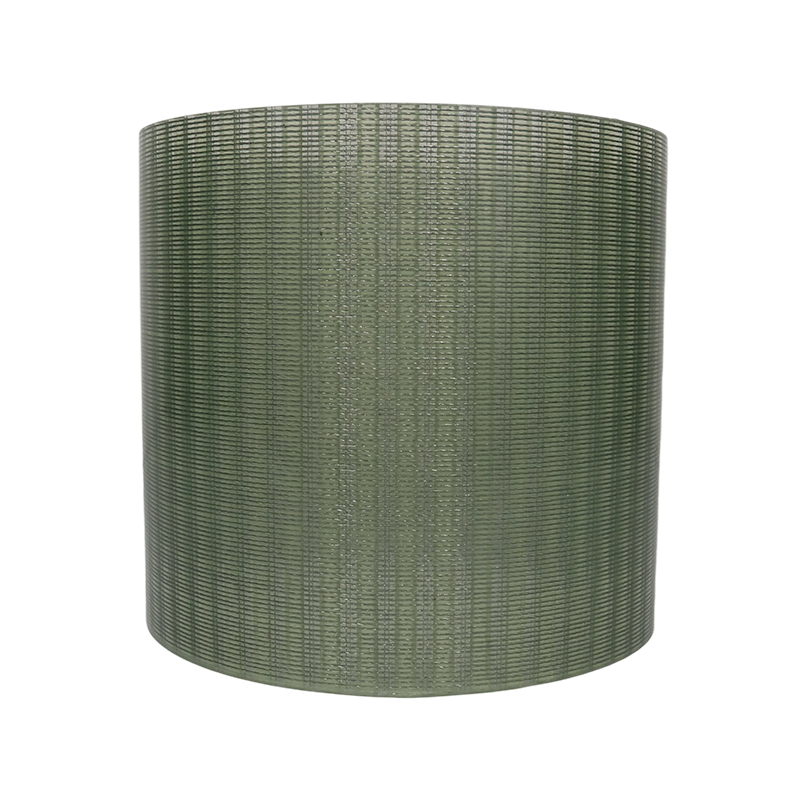
Precision applications sometimes require more than a standard smooth belt surface. Chengtai can develop polyurethane timing belt configurations with application-specific surface treatments or profiles, depending on the transmission or conveying requirement.
Surface characteristics can affect contact with guide components, rollers, workpieces, and other machine elements. Such details become particularly important in automated equipment where the belt performs both synchronous transmission and material-handling functions.
Chengtai polyurethane timing belts combine a toothed transmission structure with reinforced tensile construction. This combination provides a practical solution for equipment requiring repeatable motion without relying on friction-based transmission.
Choosing a suitable belt specification requires attention to the complete transmission system rather than belt material alone. Chengtai provides polyurethane timing belt configurations covering different tooth profiles, dimensions, reinforcement structures, and application requirements.
As experienced Polyurethane Timing Belt Manufacturers, Chengtai focuses on dimensional consistency, tooth accuracy, tensile reinforcement, and customized belt construction. These details help PU timing belts meet the practical demands of precision motion systems while giving equipment designers greater flexibility during transmission planning.


Contact Us
information
Chengxi Industrial Zone, Sanmen County, Zhejiang Province, China
+86-576-83355666
+86-576-83351588
product
mobile


 English