

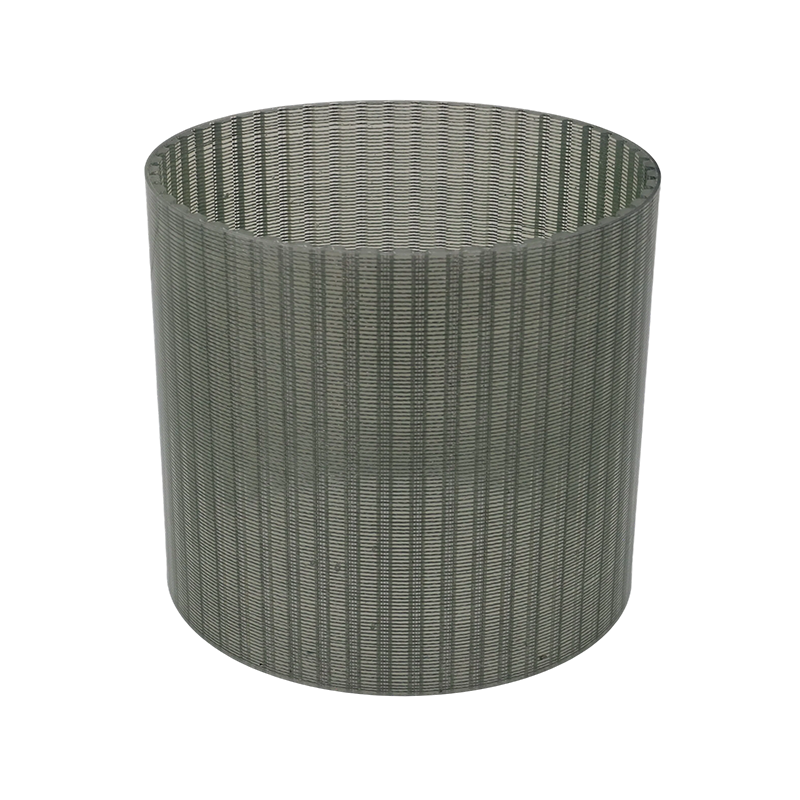
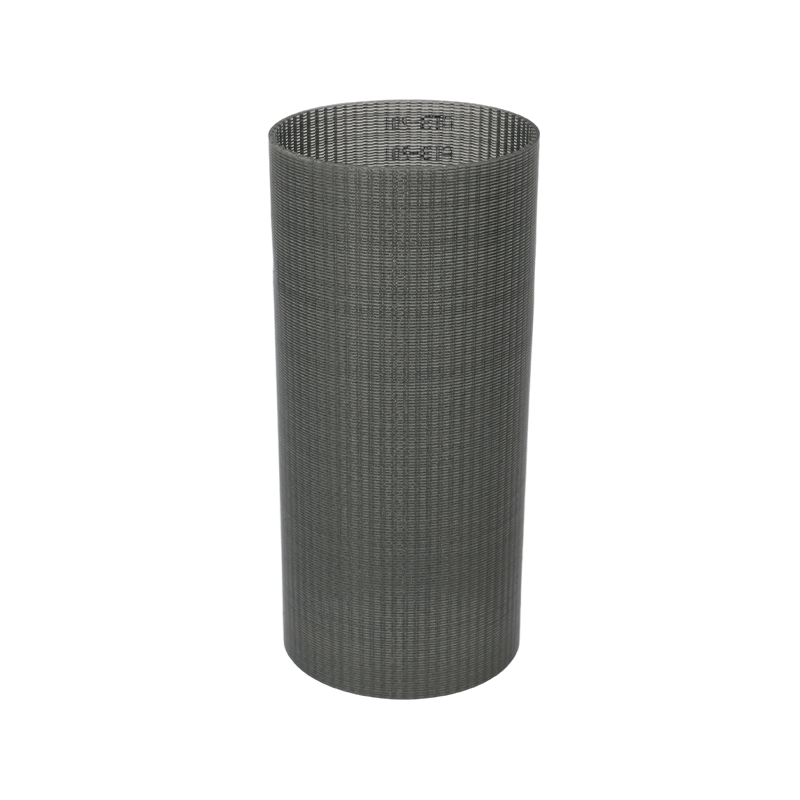
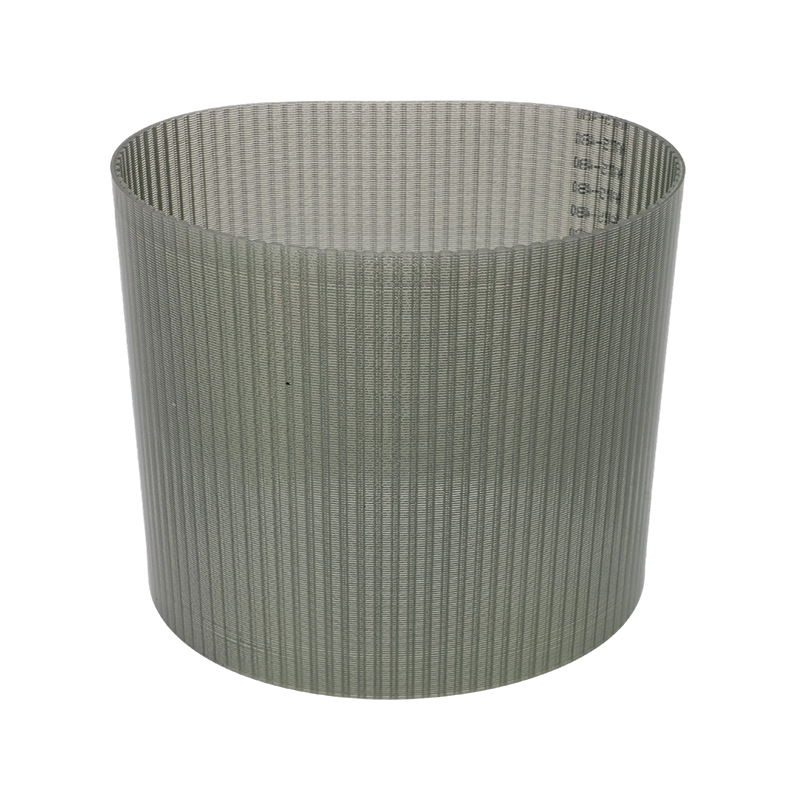
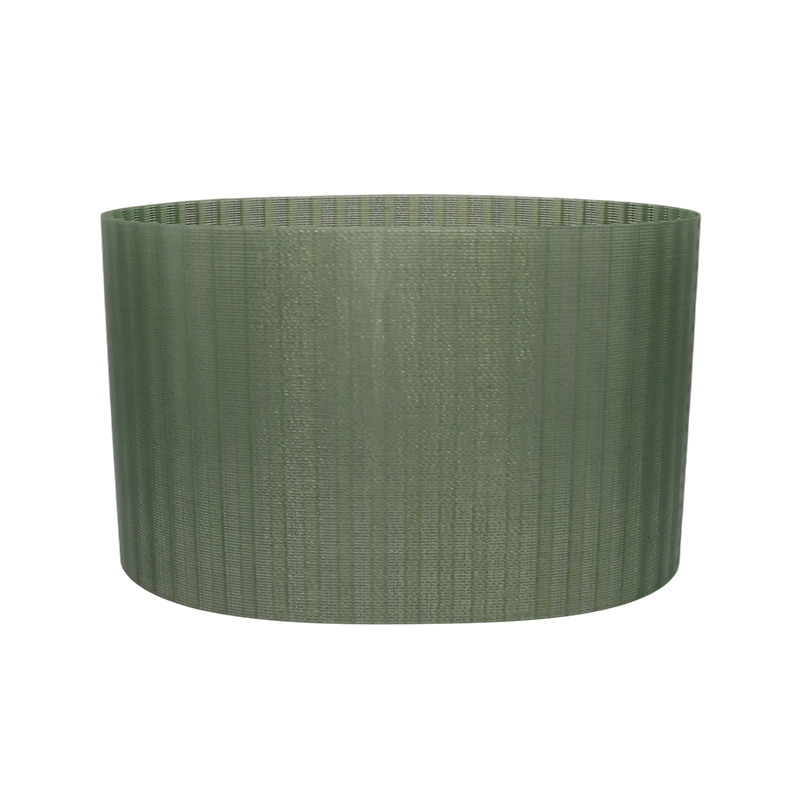
The rapid expansion of automation, robotics, and intelligent manufacturing is creating higher expectations for mechanical motion systems. Modern machines require transmission components that can maintain accurate positioning, repeatable movement, and stable operation during continuous production cycles. As a result, the High-Precision Synchronous Belt is becoming an important solution for industries that depend on accurate motion control, including semiconductor equipment, CNC machinery, medical devices, packaging systems, and automated assembly lines. Synchronous belts achieve precise movement through the engagement between belt teeth and pulley grooves, making them suitable for applications where timing accuracy is essential.
Unlike conventional friction-based drive systems, synchronous belt technology transfers motion through positive tooth engagement. This structure helps reduce slipping and supports consistent speed ratios between connected components. With the increasing complexity of automated equipment, engineers are paying more attention to belt accuracy, reinforcement materials, tooth profiles, and customized designs.
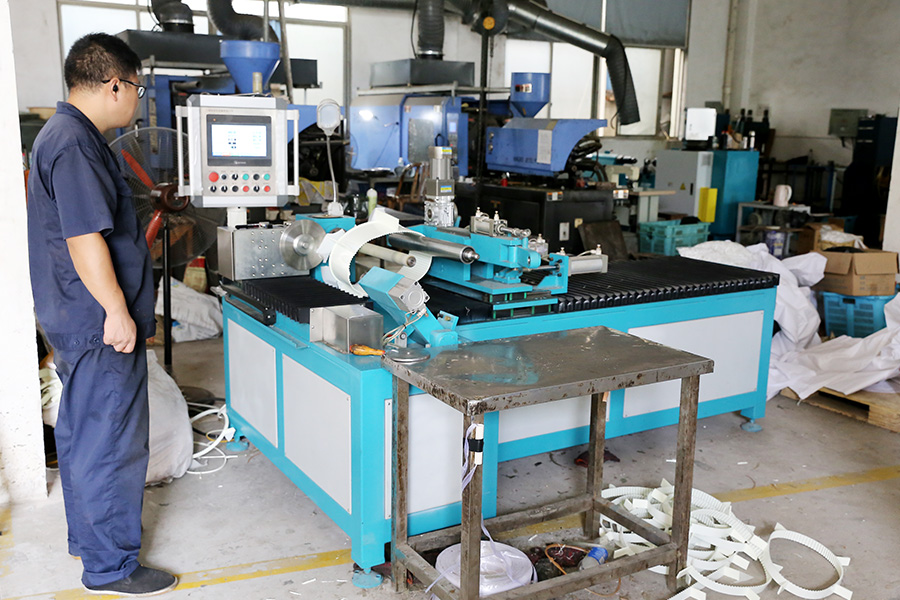
Industrial automation is transforming production environments across multiple sectors. Machines are becoming faster, more compact, and more interconnected, requiring motion systems that can respond quickly while maintaining precise positioning.
Applications such as robotic arms, pick-and-place systems, and automated inspection equipment depend on repeatable movement. Even small positioning errors may influence product quality or assembly accuracy. High-Precision Synchronous Belt systems help address these challenges by providing controlled motion transfer between motors, pulleys, and mechanical components.
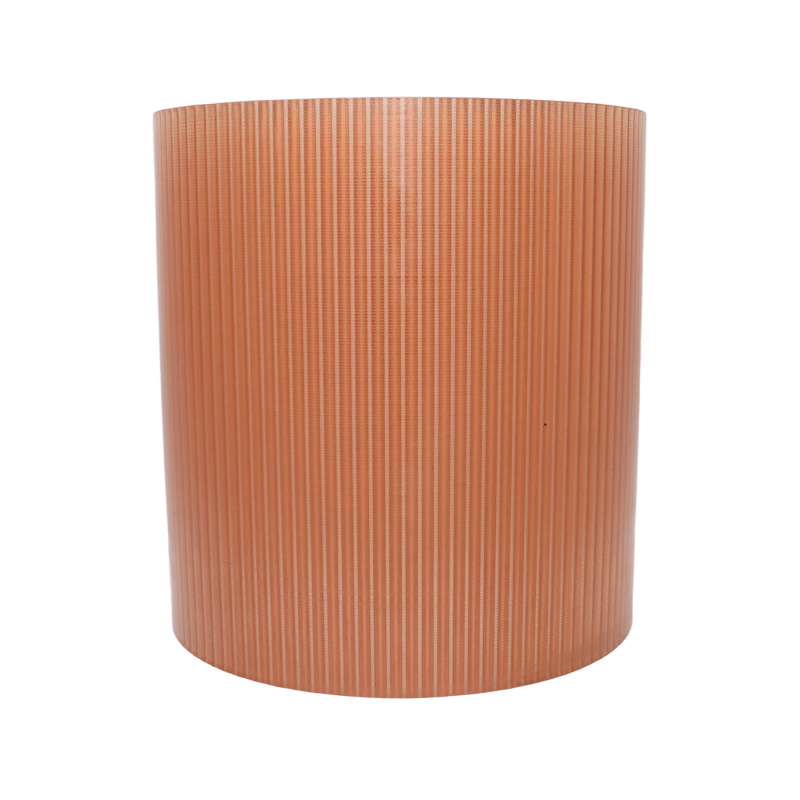
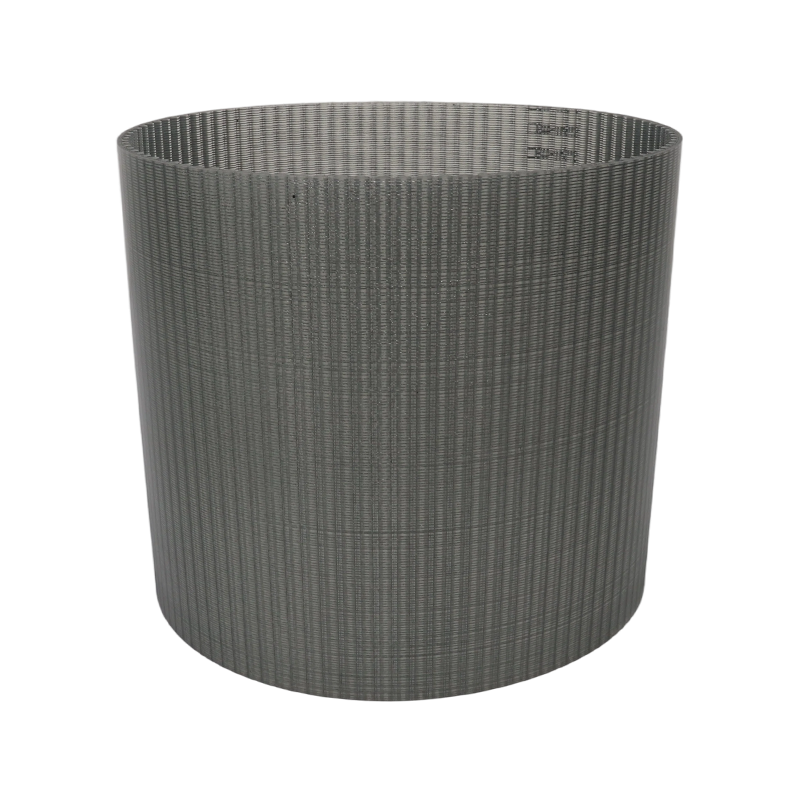
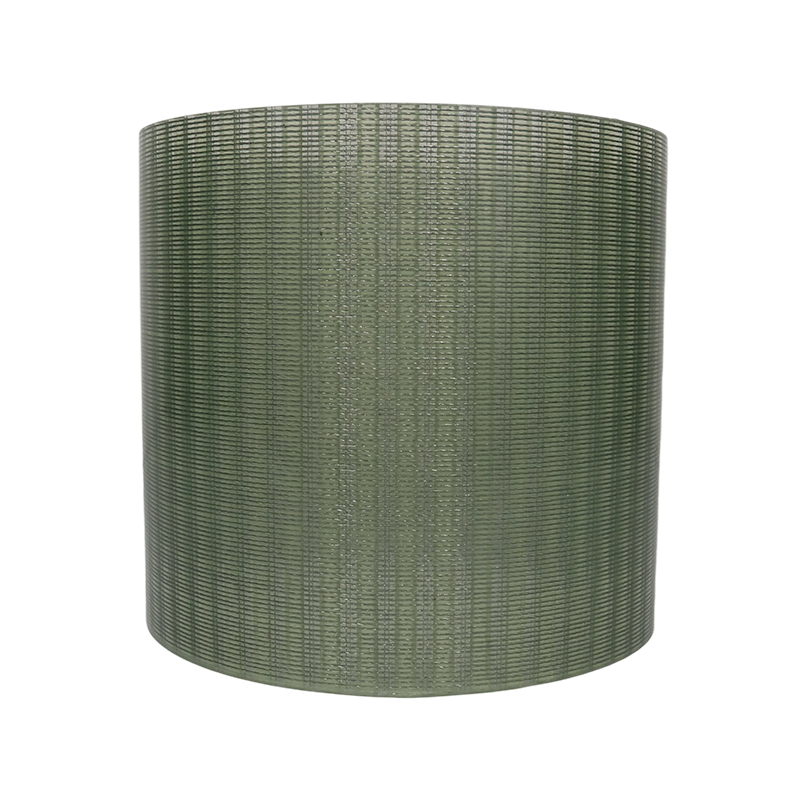
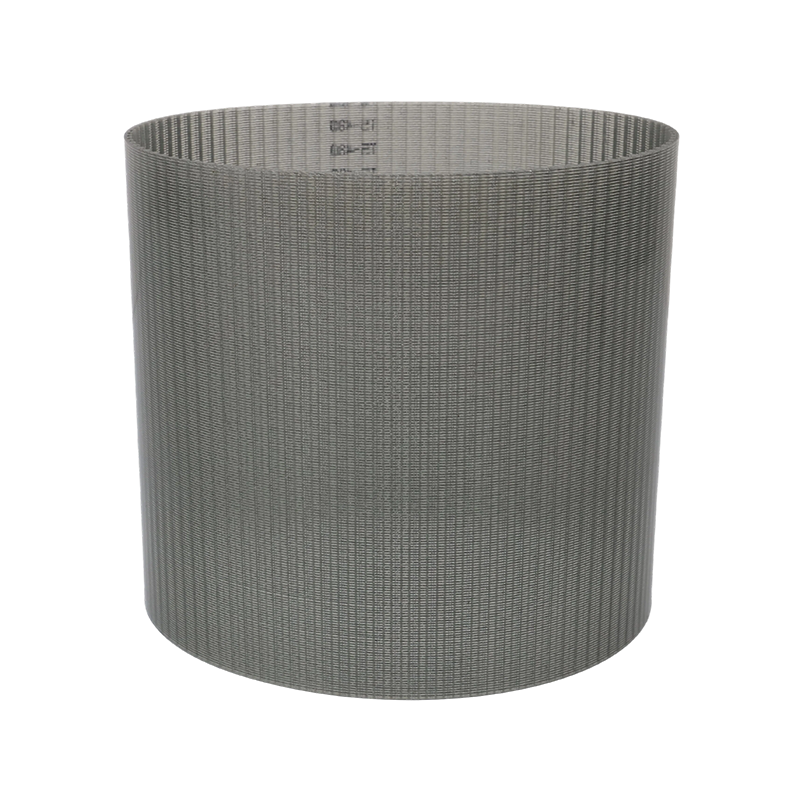
The performance of a high-precision synchronous belt depends heavily on its material structure. Modern industrial belts usually combine a flexible belt body with high-strength tensile reinforcement to achieve a balance between durability and dimensional control.
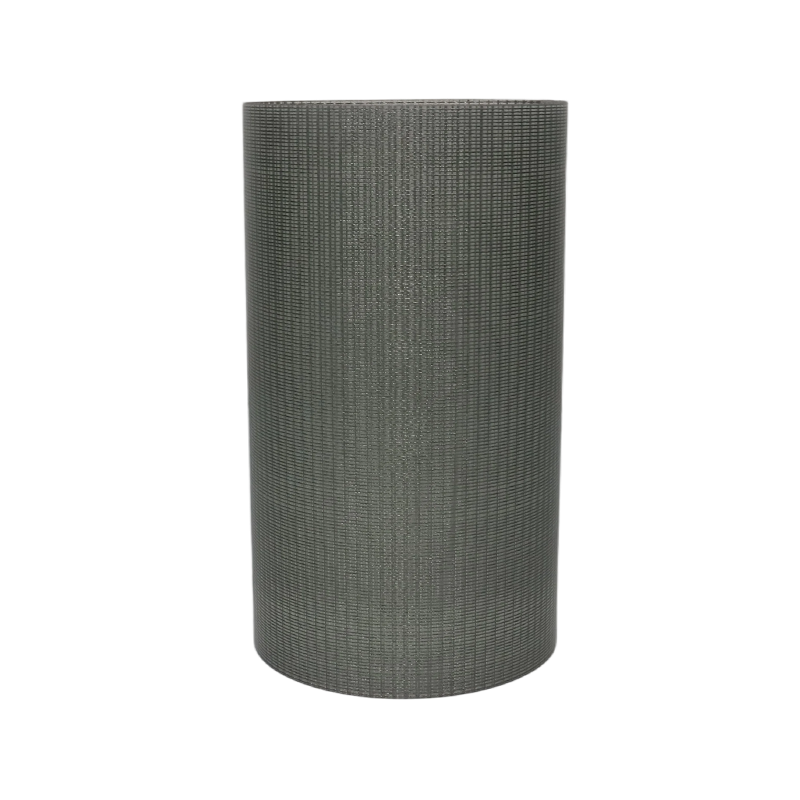
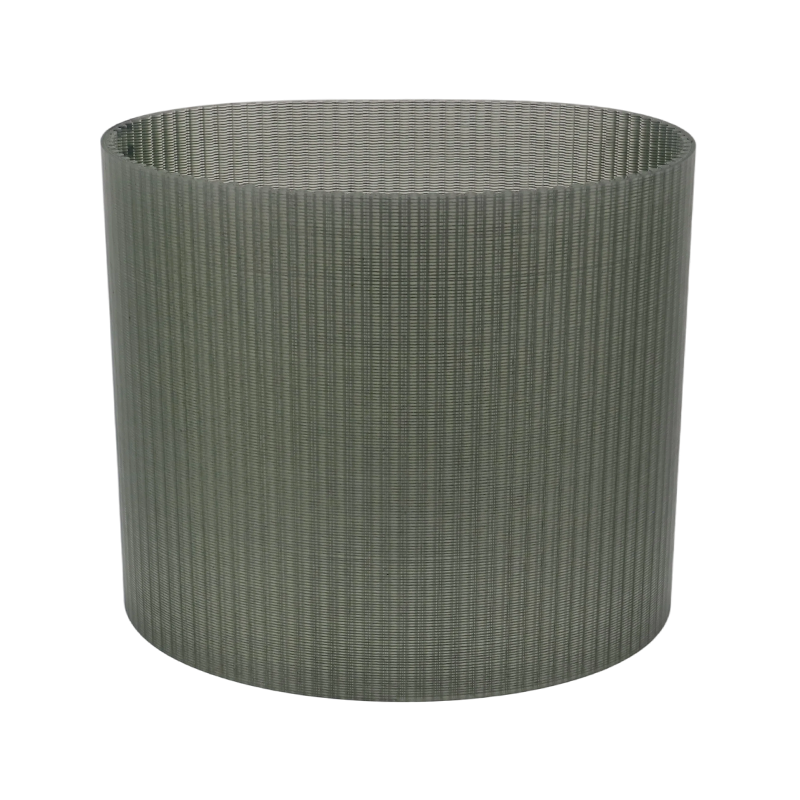
Polyurethane synchronous belts are widely applied in precision automation because polyurethane provides good wear resistance, stable tooth shape, and resistance against various industrial conditions. Internal reinforcement materials such as steel cords, fiberglass cords, and aramid fibers influence the belt’s elongation characteristics and load capacity.
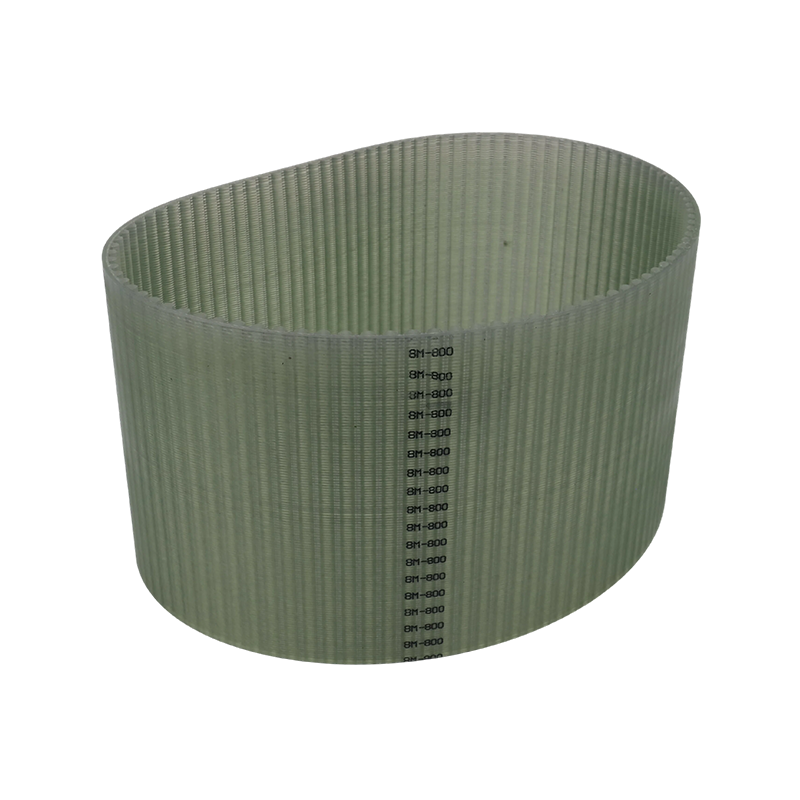
Different industrial applications may use various belt specifications, including AT5, AT10, AT20, HTD 5M, HTD 8M, and other precision profiles. The selection of pitch, width, and reinforcement type depends on torque requirements, operating speed, and machine structure.
Tooth profile design directly influences how smoothly a belt interacts with the pulley. As automation equipment develops, manufacturers are improving tooth geometry to achieve better contact conditions and more consistent movement.
High-precision synchronous belts may use trapezoidal, circular arc, or modified curvilinear tooth designs. Each profile offers different advantages depending on application conditions. Circular arc profiles, for example, provide smoother tooth engagement and improved load distribution, while modified profiles can support higher positioning accuracy.
The rise of smart factories is expanding the application range of precision synchronous belt systems. Automated equipment increasingly combines servo motors, sensors, and digital control systems, requiring mechanical components that can match electronic precision.
In electronics manufacturing, timing belts help move components through assembly processes with accurate spacing. In medical equipment, they support controlled movement where smooth operation is important. In logistics automation, synchronous belts provide reliable indexing and product positioning during transportation.
A precision transmission system requires careful consideration of multiple engineering factors. The belt itself is only one part of the complete motion system. Pulley design, tension control, installation accuracy, and operating conditions also influence overall performance.
For high-speed automation systems, engineers often combine precision belts with optimized pulley structures and servo control technology. This combination allows machines to achieve stable movement while maintaining production consistency.
The future of synchronous belt technology will continue to focus on precision improvement, intelligent monitoring, and application-specific designs. As manufacturing systems become more automated, mechanical components will need to provide better compatibility with digital control platforms.
Advanced production technologies may improve tooth accuracy, surface treatment methods, and material performance. Customized belt solutions designed for special machinery requirements are also expected to become increasingly common.
High-Precision Synchronous Belt systems represent an important development direction for modern motion transmission. Their ability to combine accurate synchronization, durable materials, and flexible application options makes them suitable for next-generation automation equipment. As industries continue moving toward smarter production methods, precision belt technology will remain a key element in reliable mechanical motion systems.


Contact Us
information
Chengxi Industrial Zone, Sanmen County, Zhejiang Province, China
+86-576-83355666
+86-576-83351588
product
mobile


 English