

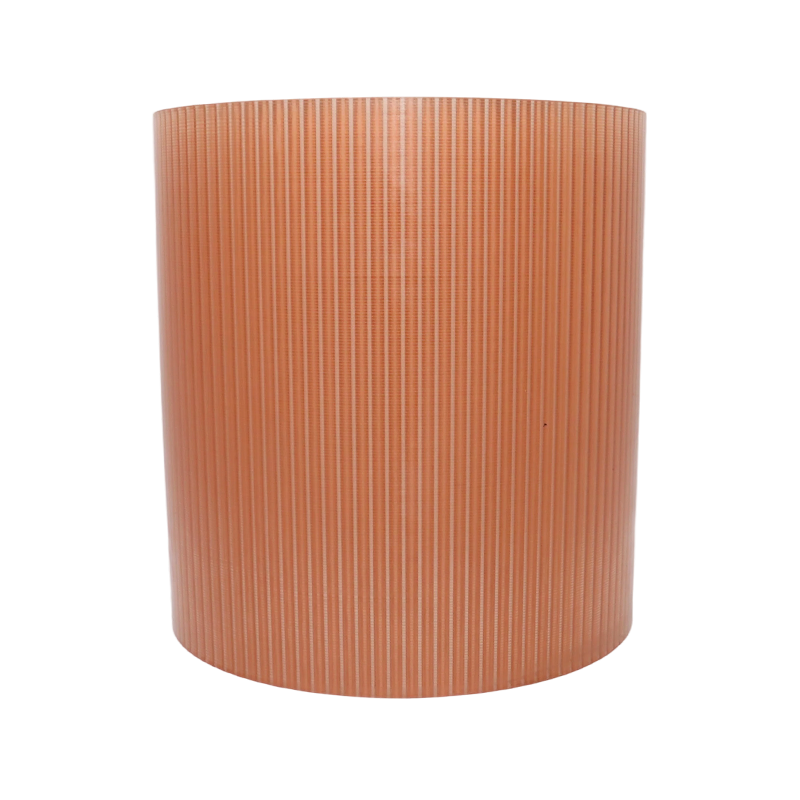
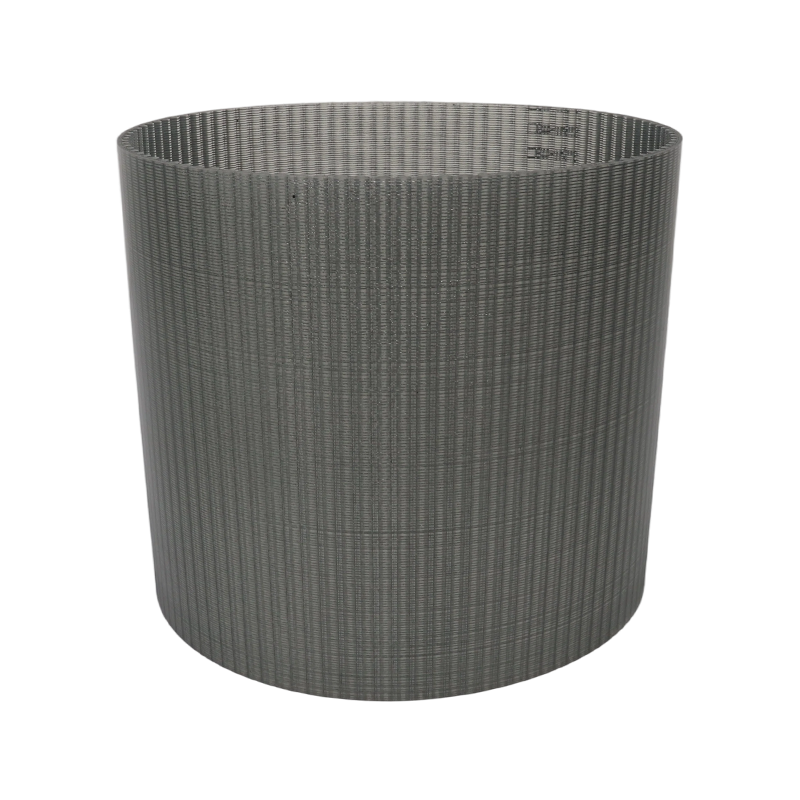
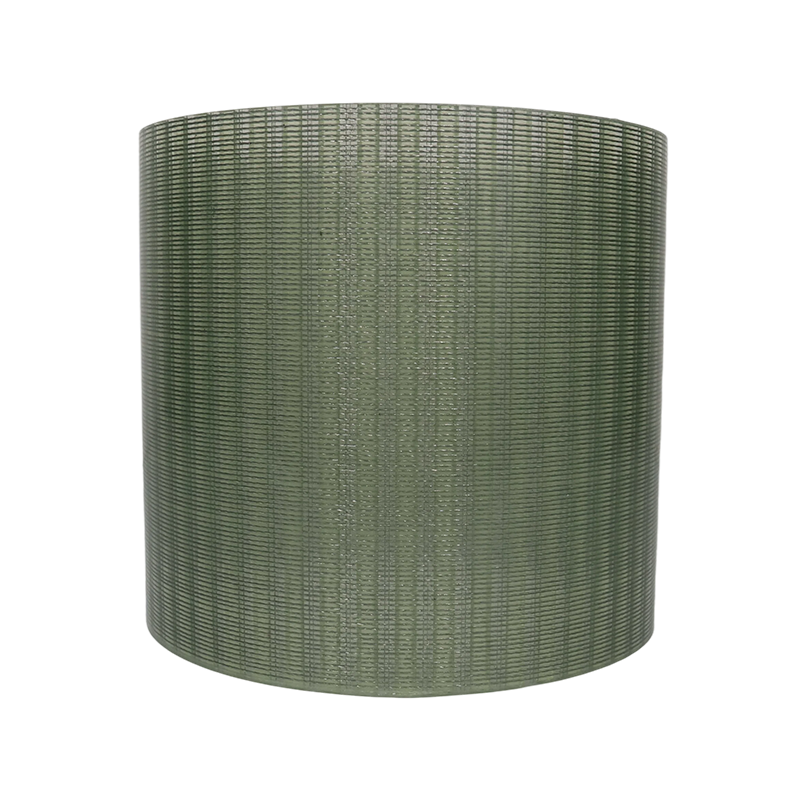
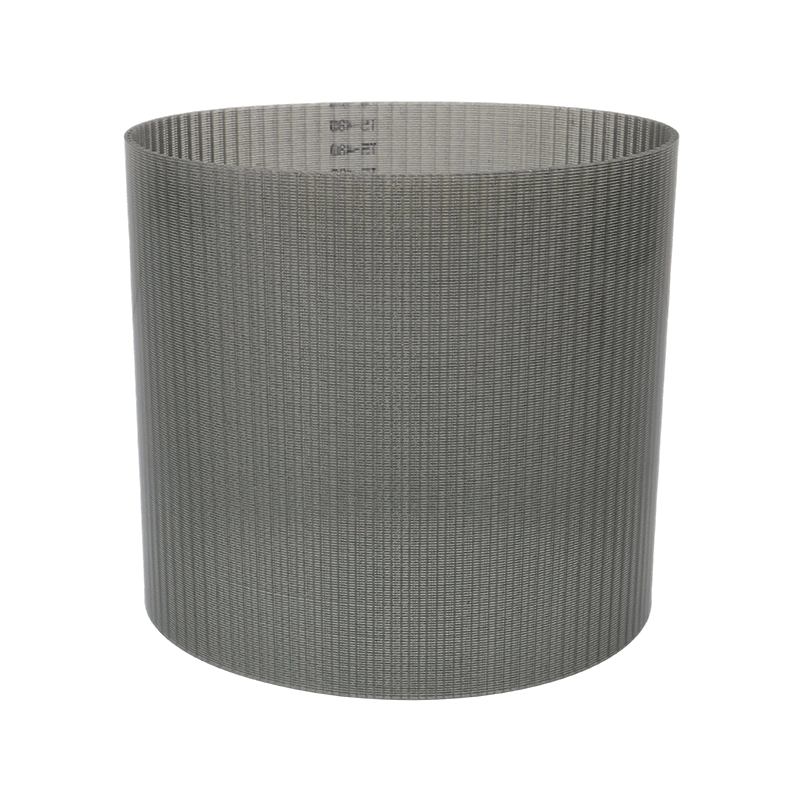
Polyurethane timing belts can look similar from the outside, yet the reinforcement inside the belt can change its mechanical behavior considerably. Steel cord and Kevlar, also known as aramid fiber, are two widely used tension-member options. Chengtai considers this internal structure together with pulley diameter, belt speed, load, travel distance, and required positioning accuracy to develop a PU belt configuration suited to the actual drive.
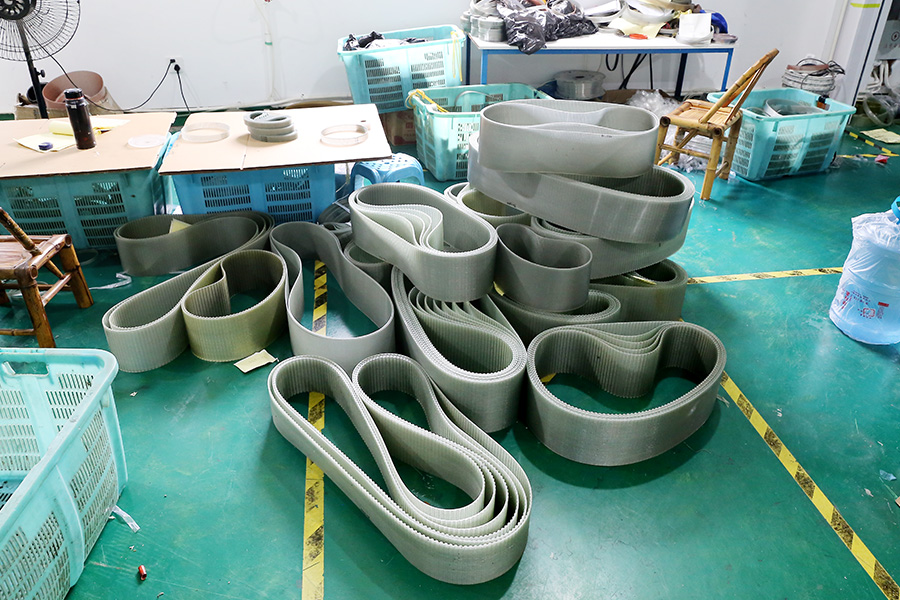
Steel reinforcement gives a polyurethane timing belt high tensile strength and very low elongation. This characteristic becomes valuable in systems where belt stretch can affect positioning or synchronization.
Published PU belt data commonly places steel cord at very low elongation levels, with some technical specifications showing values below 0.03% under defined testing conditions. Such figures explain its frequent use in linear motion and precision positioning systems.
Kevlar reinforcement takes a different approach. Aramid fibers offer high strength with lower mass and greater flexibility than steel. This can become useful around smaller pulley diameters or transmission layouts involving repeated bending.
Technical comparisons of PU timing belts commonly associate aramid reinforcement with compact rotary drives, small pulleys, and applications requiring a combination of low stretch and flexibility.
Pulley geometry deserves close attention before deciding on the tension-member material. Steel cord provides strong dimensional control, but its stiffness can become a consideration around small pulley diameters. Kevlar reinforcement can bend more readily, giving it an advantage in compact routing.
Chengtai evaluates the belt and pulley as a combined system. Tooth pitch, pulley diameter, belt width, belt speed, and reinforcement should work together rather than being specified independently.
Drive movement provides another useful way to compare the two reinforcement types. Linear motion systems often place strong emphasis on dimensional stability because belt elongation can influence travel accuracy. Rotary systems may place greater emphasis on flexibility, particularly where several small pulleys are used.
| Drive Requirement | Steel Cord | Kevlar Cord |
|---|---|---|
| Low elongation | Strong fit | Low elongation |
| Small pulley routing | More rigid | More flexible |
| Linear positioning | Highly suitable | Suitable for selected applications |
| Repeated bending | Application dependent | Strong flexibility advantage |
| Low belt mass | Higher | Lower |
The comparison is not a universal ranking. Actual performance depends on belt construction, cord specification, pulley dimensions, pretension, speed, and operating load. Chengtai therefore treats reinforcement as an application parameter rather than a simple material preference.
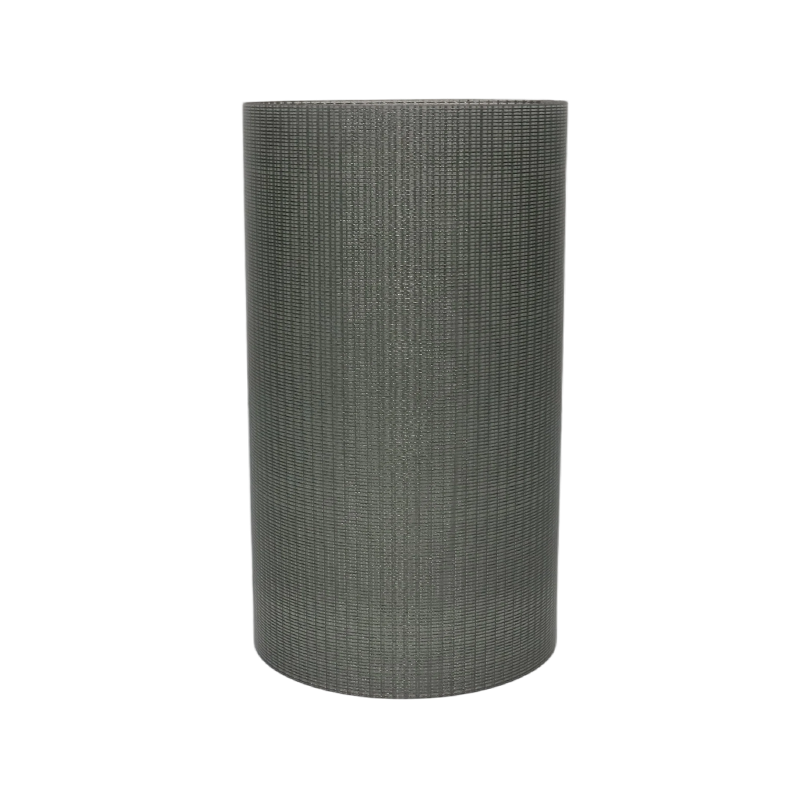
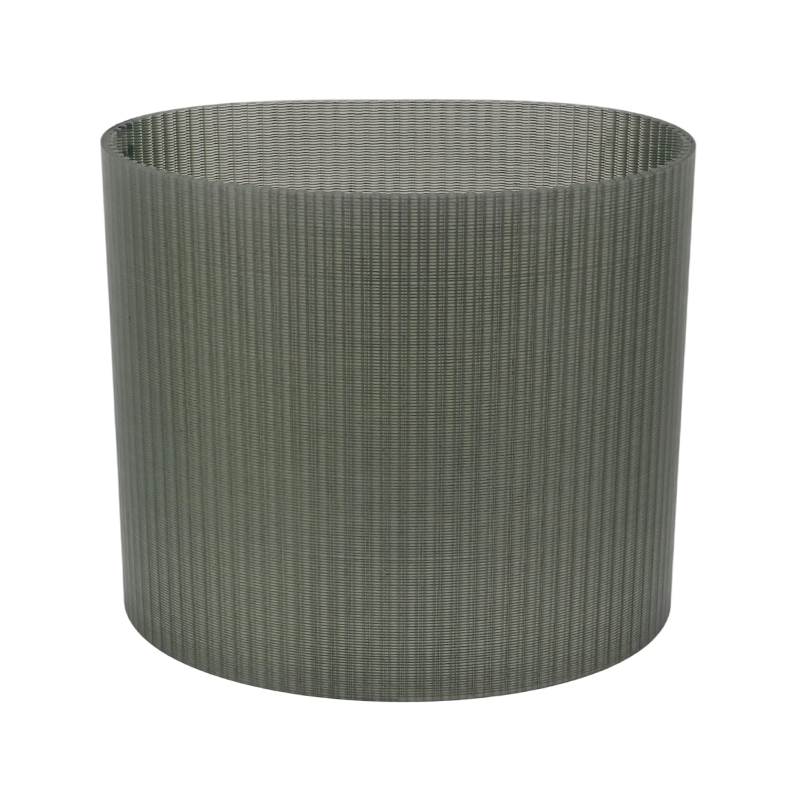
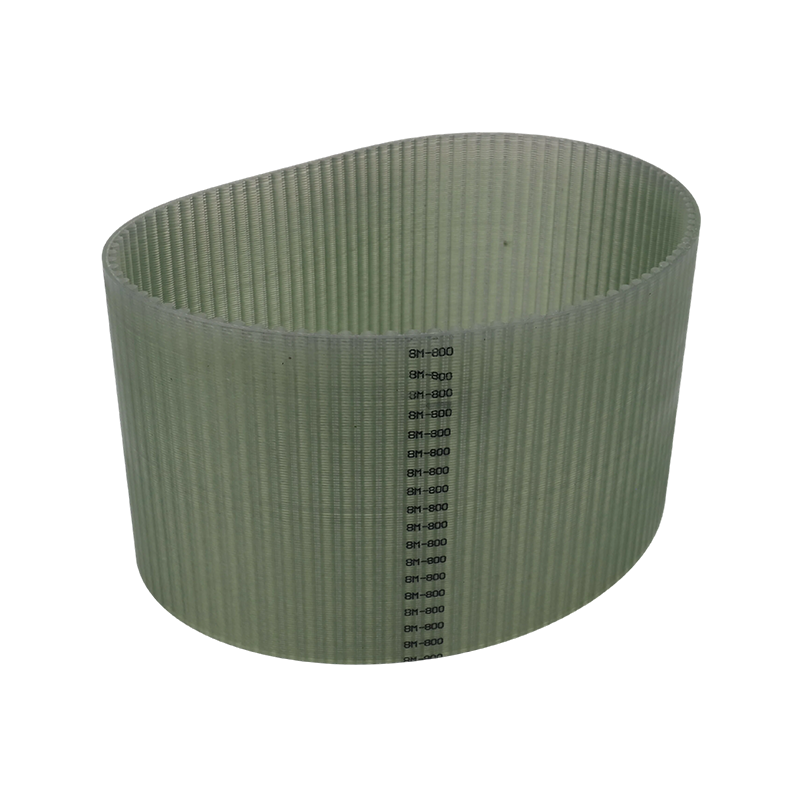
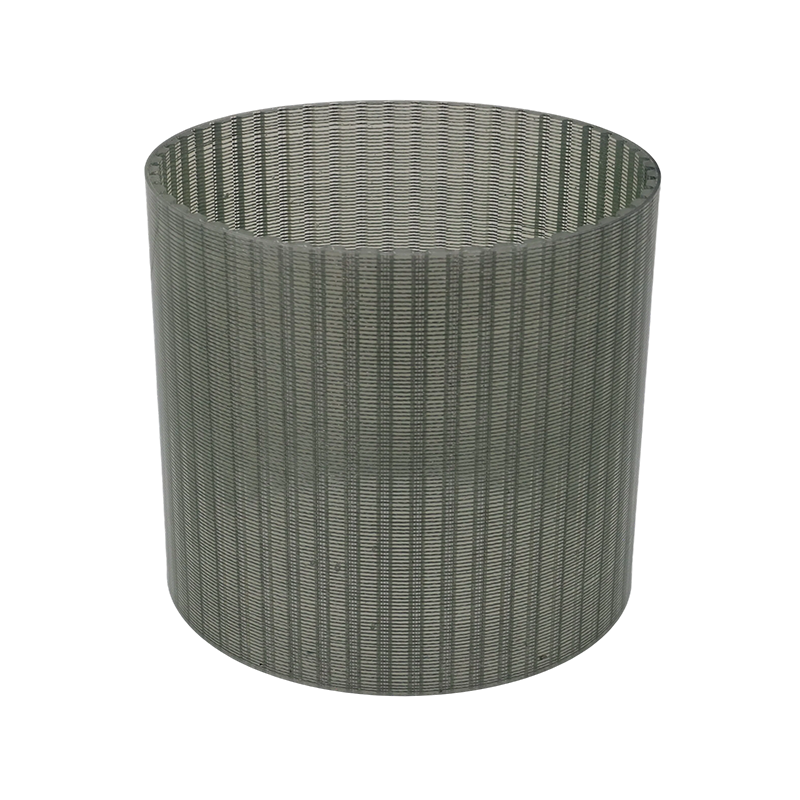
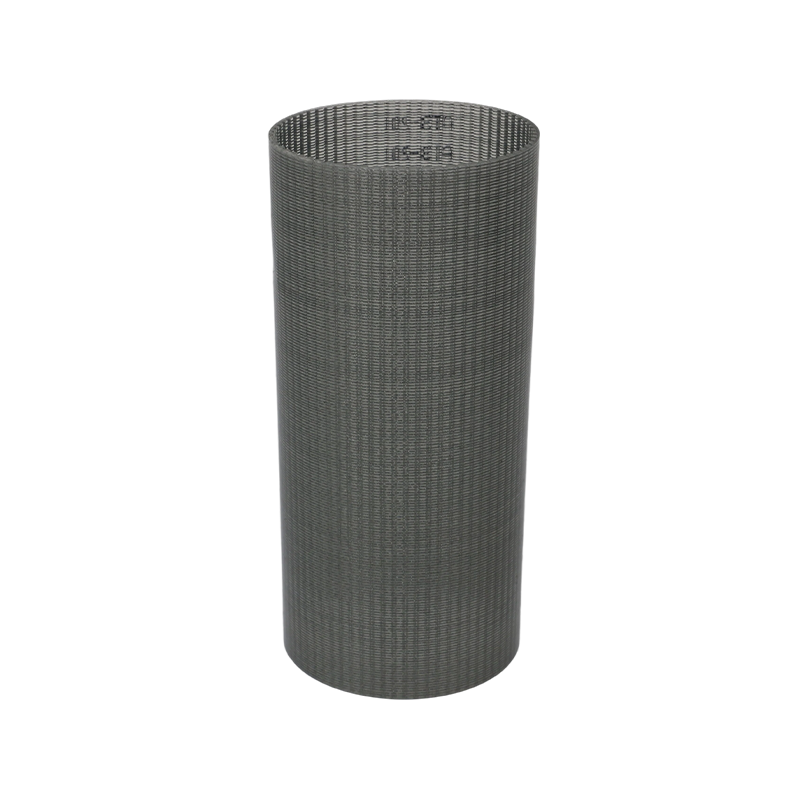
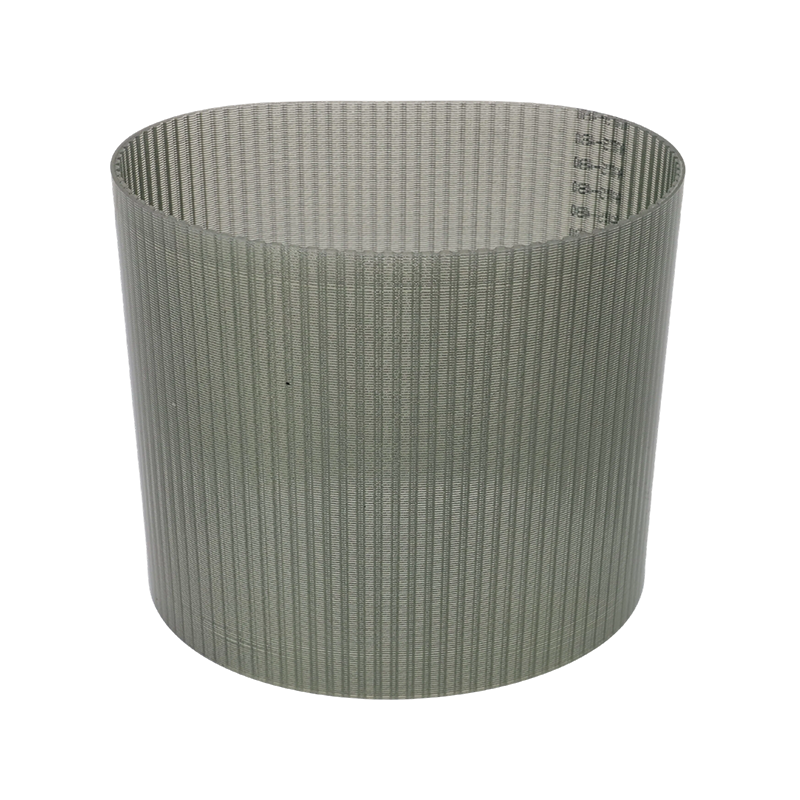
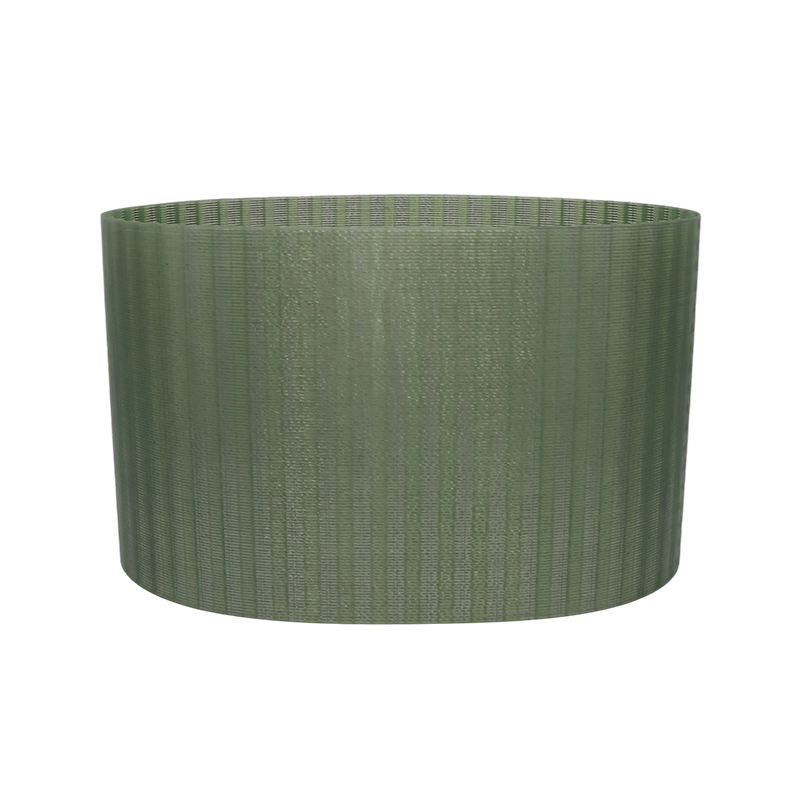
The tensile cord is only part of the belt structure. Chengtai polyurethane timing belts combine the reinforcement with a thermoplastic PU body that forms the teeth and backing. Common profiles include T5, T10, AT5, AT10, and other synchronous configurations.
PU construction can provide resistance to abrasion, oils, moisture, and general industrial wear, while the selected cord determines much of the belt's tensile behavior. Certain PU belt specifications also use nylon fabric on the tooth side, back side, or both sides to modify friction and surface characteristics.
Chengtai evaluates several factors before defining the internal construction of a polyurethane timing belt. A long linear axis with strict positioning requirements may call for steel reinforcement and a suitable tooth profile. Compact rotary equipment with repeated bending may benefit from an aramid-reinforced configuration.
There is no single reinforcement that suits every drive. Steel cord emphasizes tensile stability, while Kevlar provides a useful combination of strength, flexibility, and lower mass. The correct choice depends on how the belt moves and what the transmission must accomplish.
As experienced pu timing belt manufacturers, Chengtai develops polyurethane timing belts around belt profile, dimensions, tensile reinforcement, pulley geometry, speed, and load requirements. This application-based approach helps customers build a belt specification around their actual machine rather than simply choosing between steel and Kevlar by material name.


Contact Us
information
Chengxi Industrial Zone, Sanmen County, Zhejiang Province, China
+86-576-83355666
+86-576-83351588
product
mobile


 English